
Woven Light Pendants: Qantas Commission
The largest project to date for Lakun Mara was commissioned by JamFactory in partnership with Architectus to create a sculptural woven light pendant for the recent redevelopment of the Qantas Lounge at Adelaide Airport.
The brief invited a response to Witawali, the Sellicks Beach cliff area on Kaurna Country, a place shaped by time, wind, water and culture. The design draws on these elements, translating the contours and movement of the cliffs into a woven form that holds light, shadow, and memory.
This work is the culmination of a two-year journey. It began with pitching an initial concept and unfolded through multiple stages of refinement: reimagining form and scale, designing and reworking the metal framework, and engaging in deep experimentation with the natural dyeing of raffia. Each phase required patience, problem-solving and trust in process, allowing the materials to guide the outcome as much as the design itself.
The final stages were marked by the rhythm of string making and weaving - slow, repetitive, and grounding practice. Hundreds of hours were spent bringing the piece together, each strand contributing to the whole. What emerged is not only a functional light, but a sculptural presence that carries place, process and cultural practice into a contemporary architectural space.
Installed within the Qantas Lounge, the work offers a moment of pause, a woven expression of Country, crafted by hand, and carried forward through collaboration, time and care.
INSPIRATION
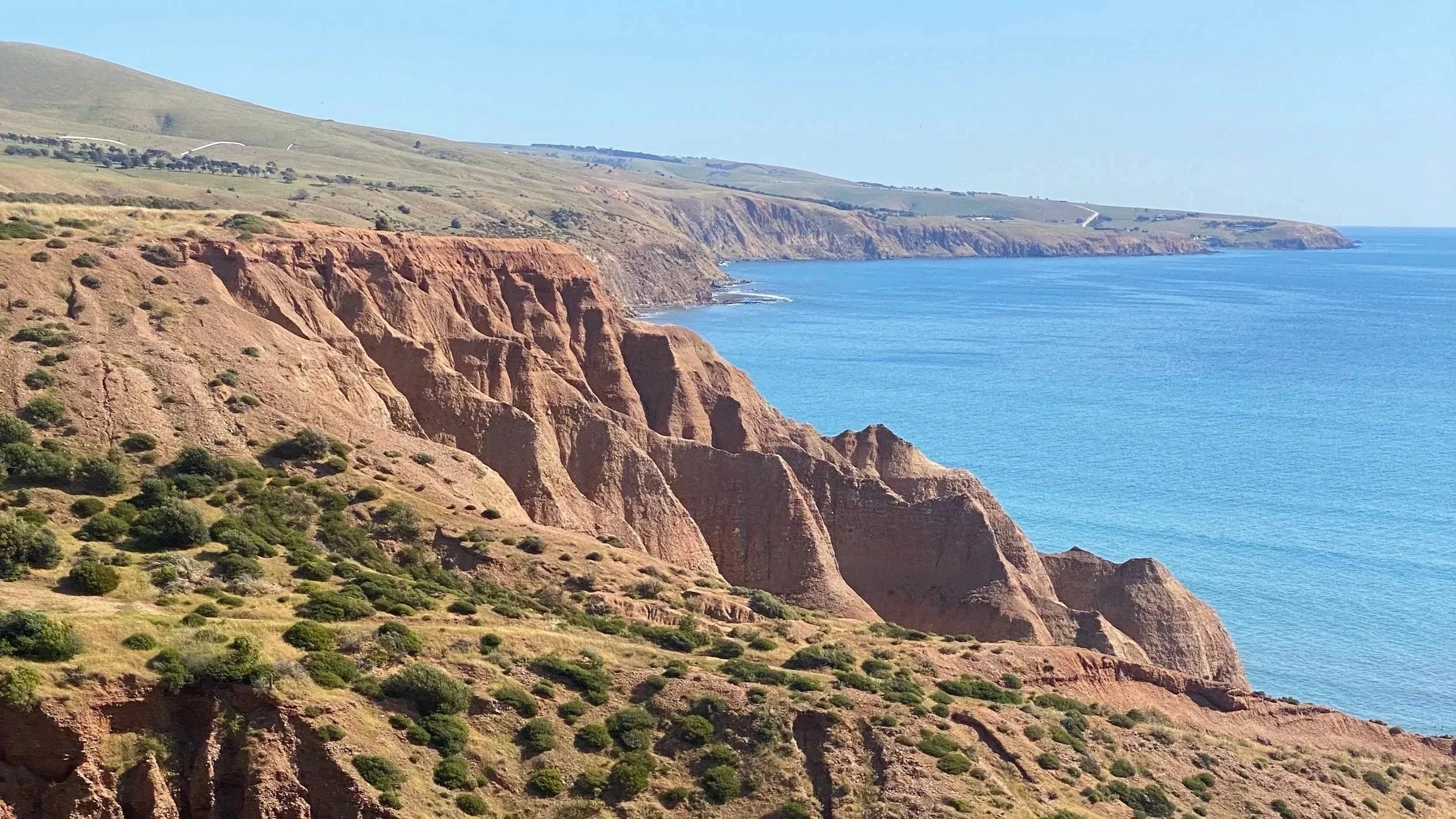
Witawali - Sellicks Beach Cliff area Image by: Sonya Rankine
DESIGN concept
The design concept moved through several phases before arriving at its final form, a series of three sculptural woven light pendants. The central pendant was designed at a larger scale, flanked by two smaller forms set on a subtle angle, echoing the flow and movement of the Witawali coastline and cliff edges.
The metal framework was co-designed with Tom Golin, Manager of the Jewellery & Metalwork Studio at JamFactory. This structure underwent multiple rounds of testing and reworking until it reached a balance of strength, lightness and precision, carefully resolved to support and secure the woven elements and hand-made string. The framework became the unseen backbone of the work, holding space for the weaving to move, breathe and hold form.
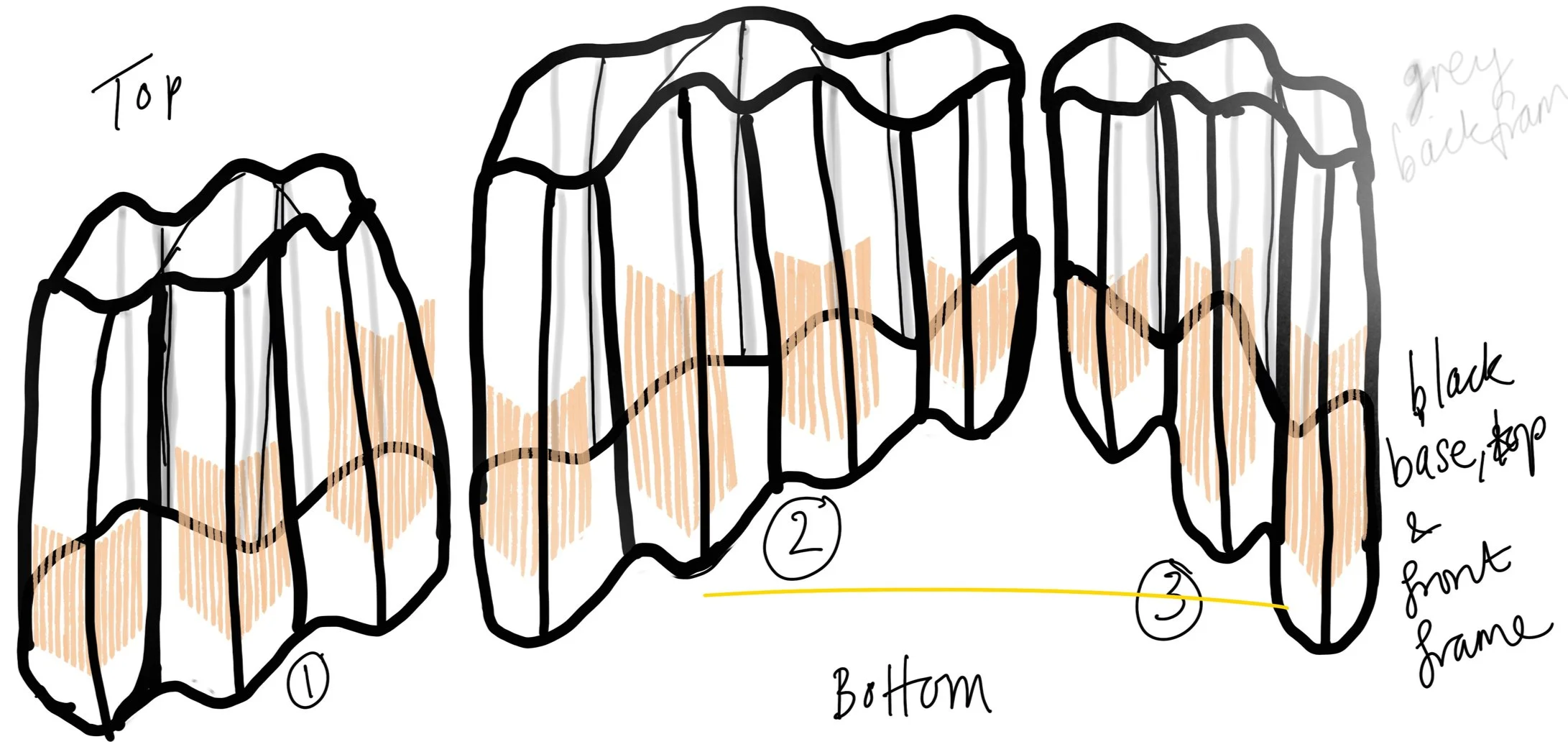
© Original design by Sonya Rankine
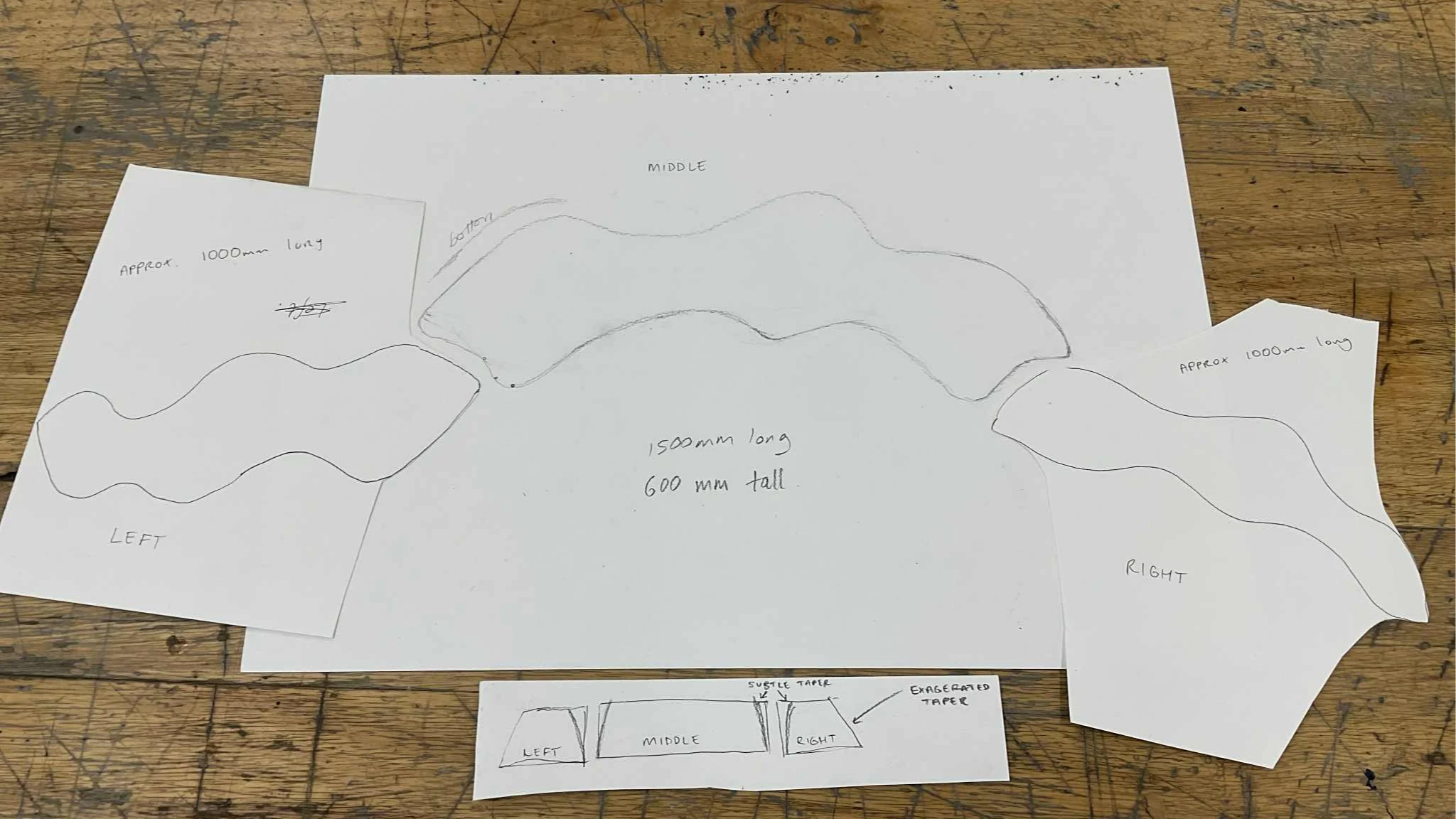
The design outcome emerged through ongoing brainstorming with Tom Golin, exploring how the frames should look and feel within the space. These conversations shaped the direction of the work, leading into focused framework design development
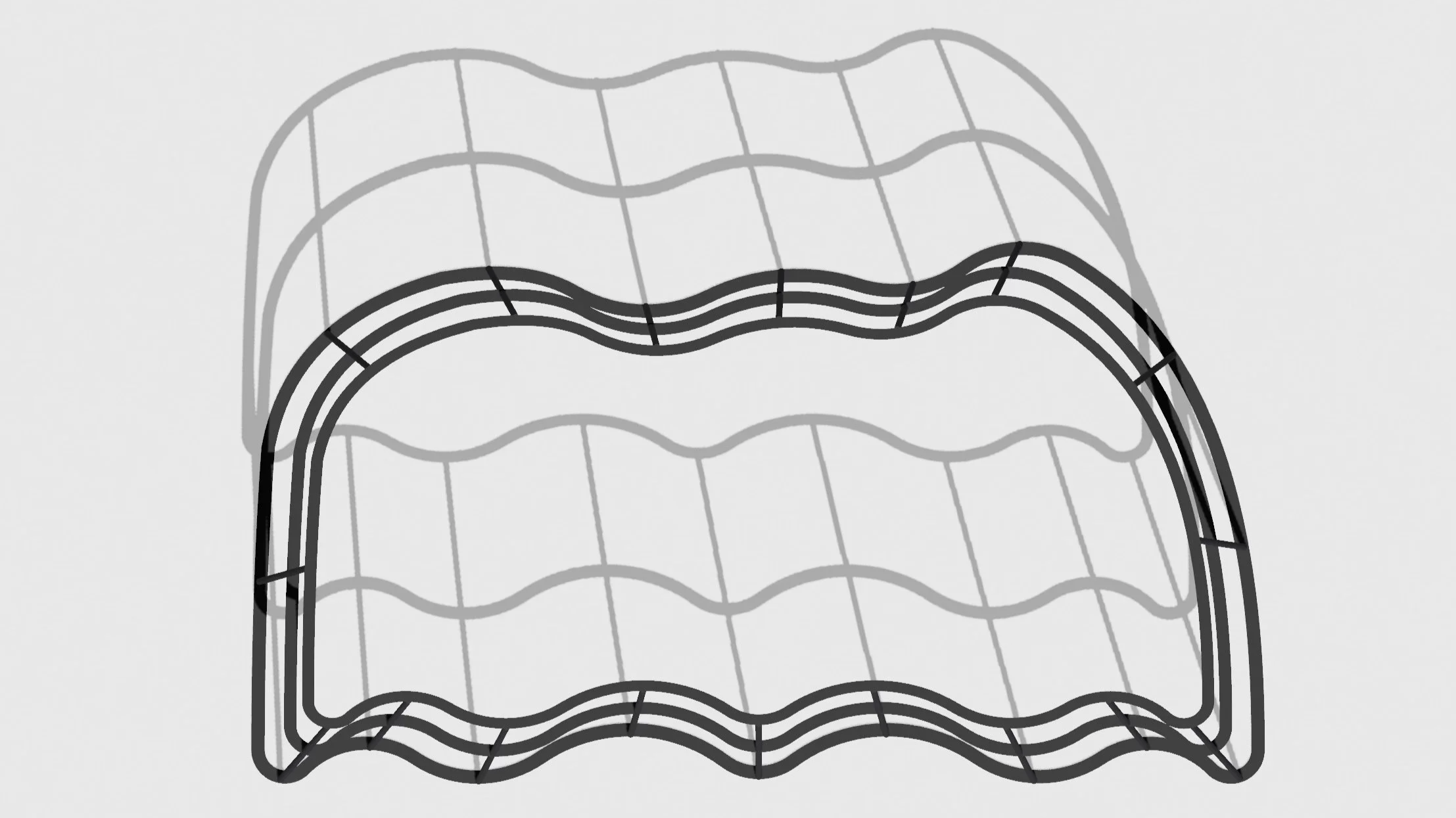
© Design image by Tom Golin in consultation with Sonya Rankine
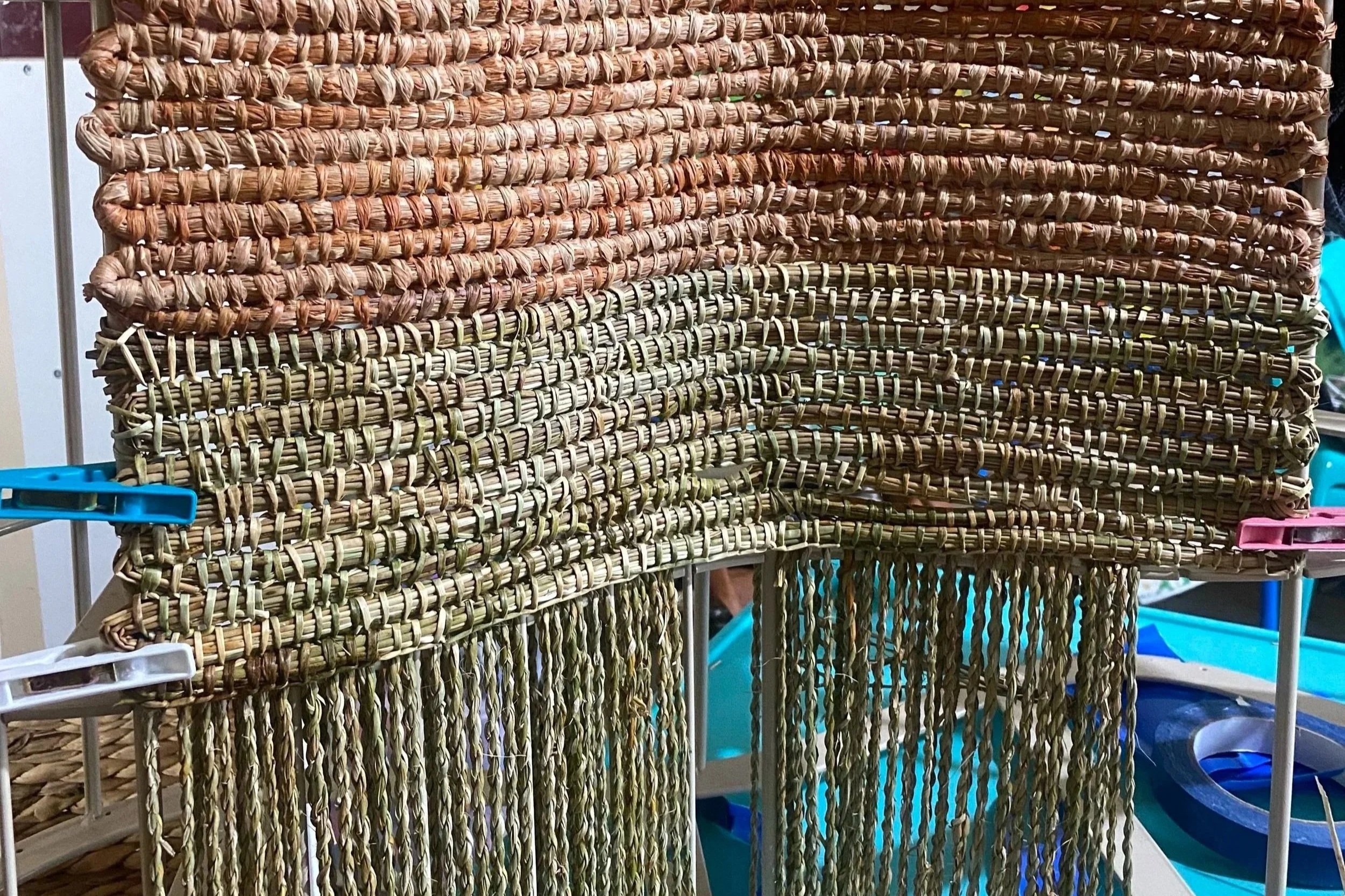
Image by: Sonya Rankine
The first framework, manufactured by Tom Golin, became a critical testing point in the process. Through hands-on trials, it revealed design elements that were not functioning as intended, areas where weight, balance and structure needed reconsideration. This moment of testing required a return to the drawing board, streamlining and lightening the framework so it could better support the weaving while allowing the form to remain open, fluid and responsive.
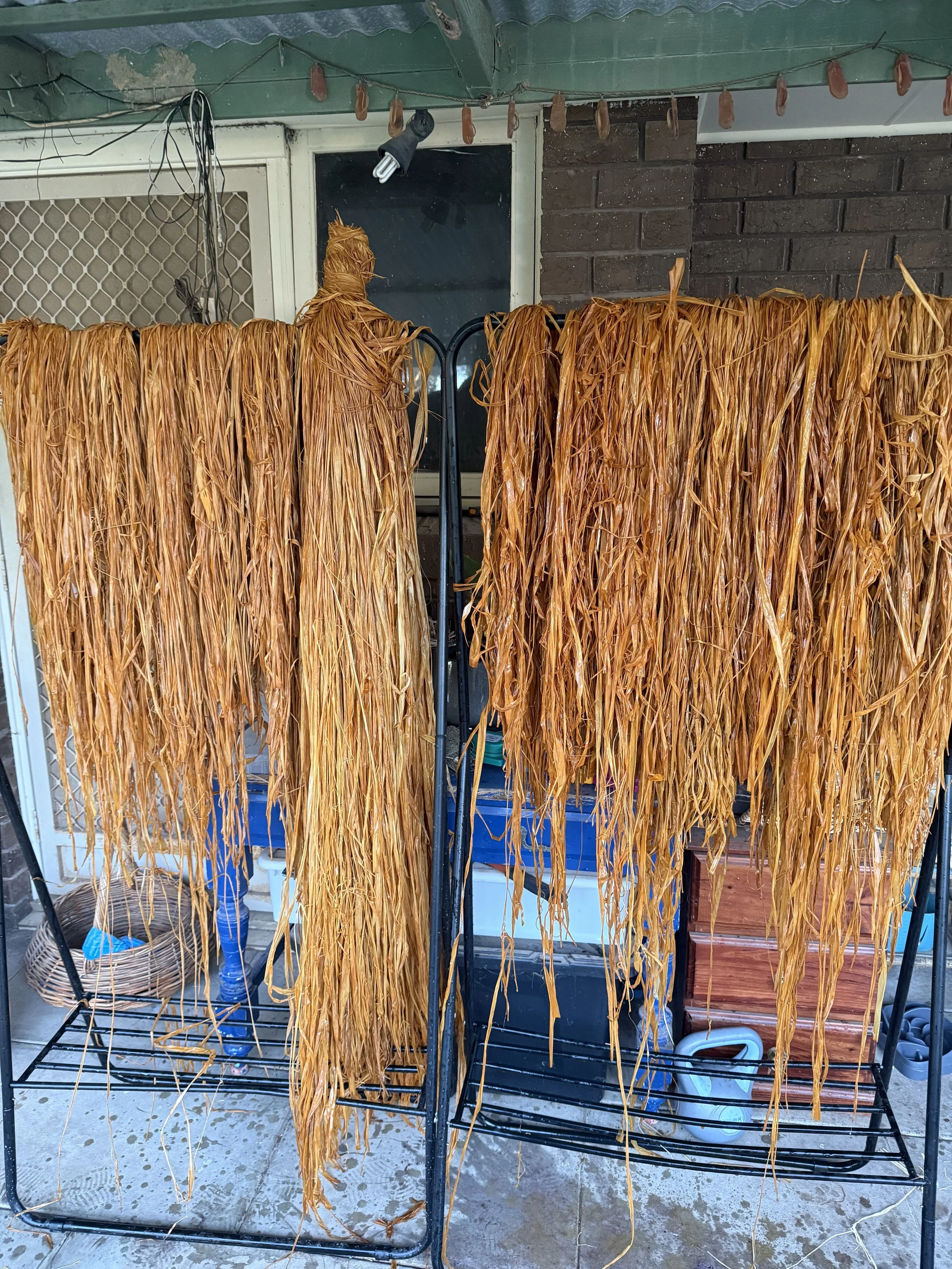
Raffia hand-dyed by HunterMade founder Phoebe Hunter, an environmentally conscious artist, became a process of careful experimentation. The trial batch, hand-dyed with eucalyptus leaves and applied to the test frame, carried the story of the material and method, but ultimately did not achieve the depth and richness of colour required for the final work. Madder Root was then chosen to hand-dye 6 kilos of raffia and produced the deep, rich, rusty colours of the cliffs at Witawali, Sellicks Beach.
gathering, weaving and string making
Continuous gathering of Spiny Flat Sedge was essential as we moved into working on the refined framework. At the outset, it was difficult to accurately predict the volume of material required to complete the project. Through persistence and local knowledge, we sourced reeds from several sites across Adelaide’s western suburbs, including Woodville and Port Adelaide, as well as from the abundant growth at Thebarton in the backyard of Nat Harkin and Denise Noak. Knobby Club Rush was utilised for the structural core of the weaving, allowing us to reserve the Spiny Flat Sedge for the weaving threads. Both plant materials were processed into string, a seemingly endless task that demanded sustained focus, physical endurance, and patience from the entire Lakun Mara team.
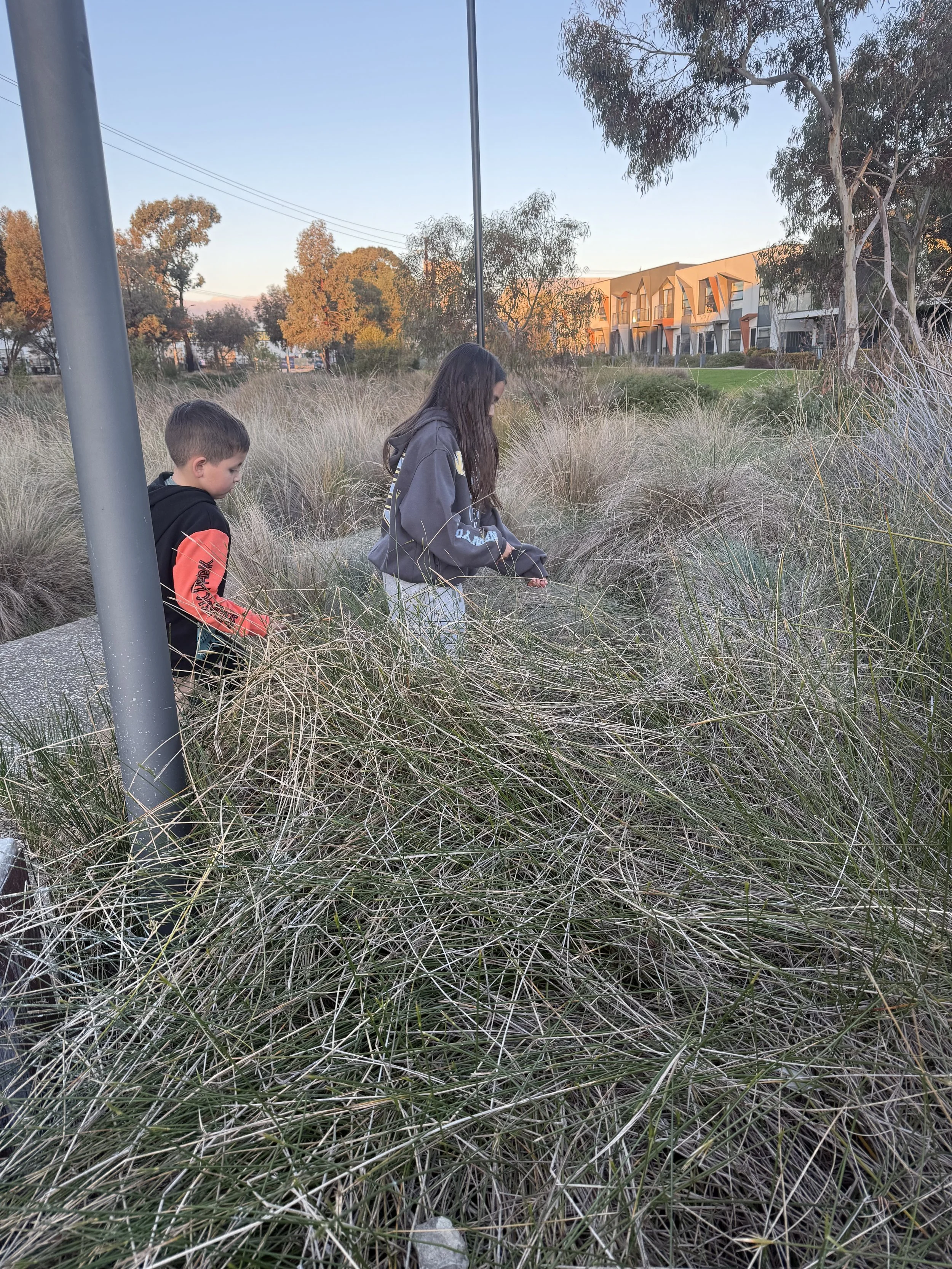
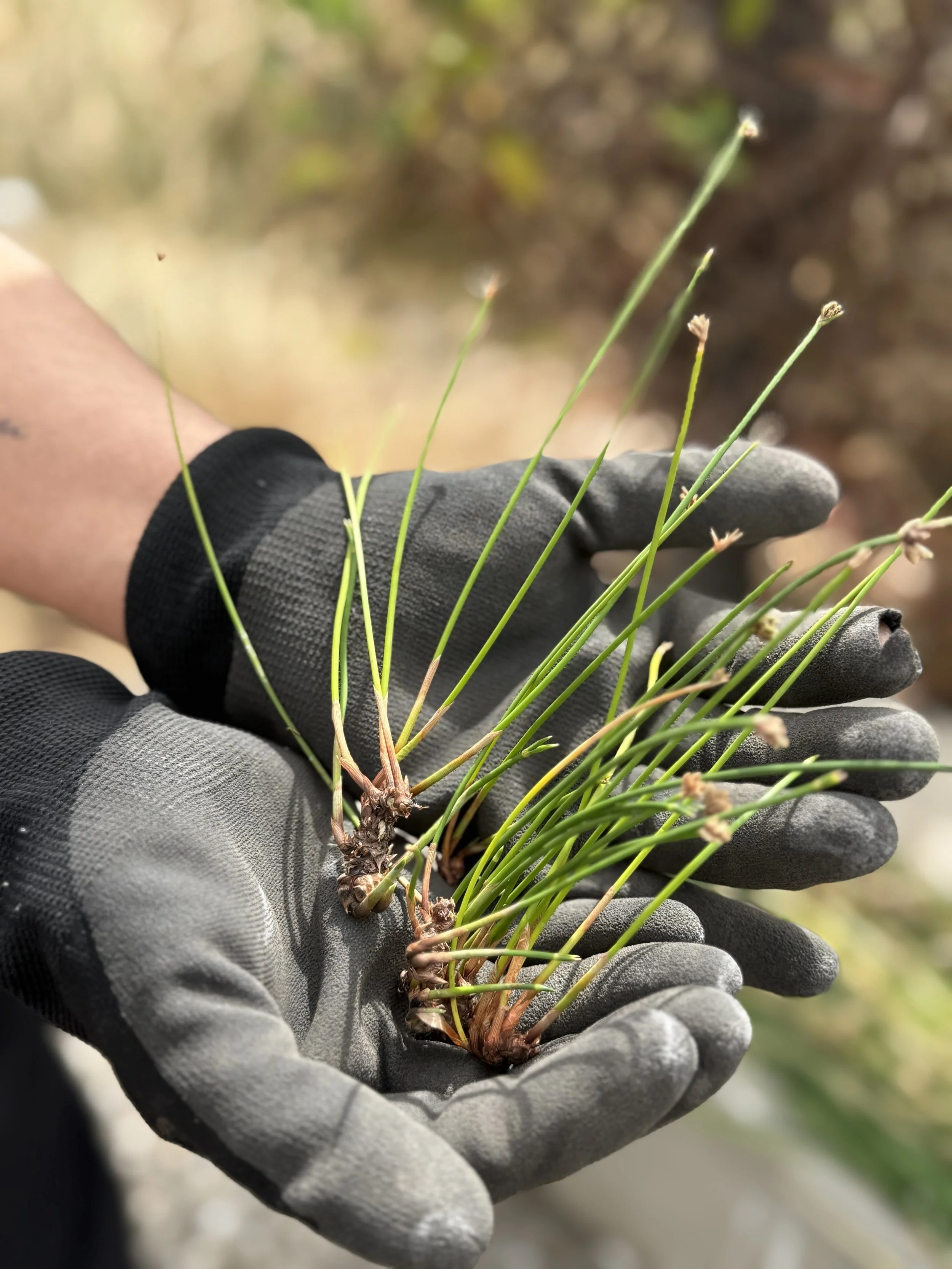
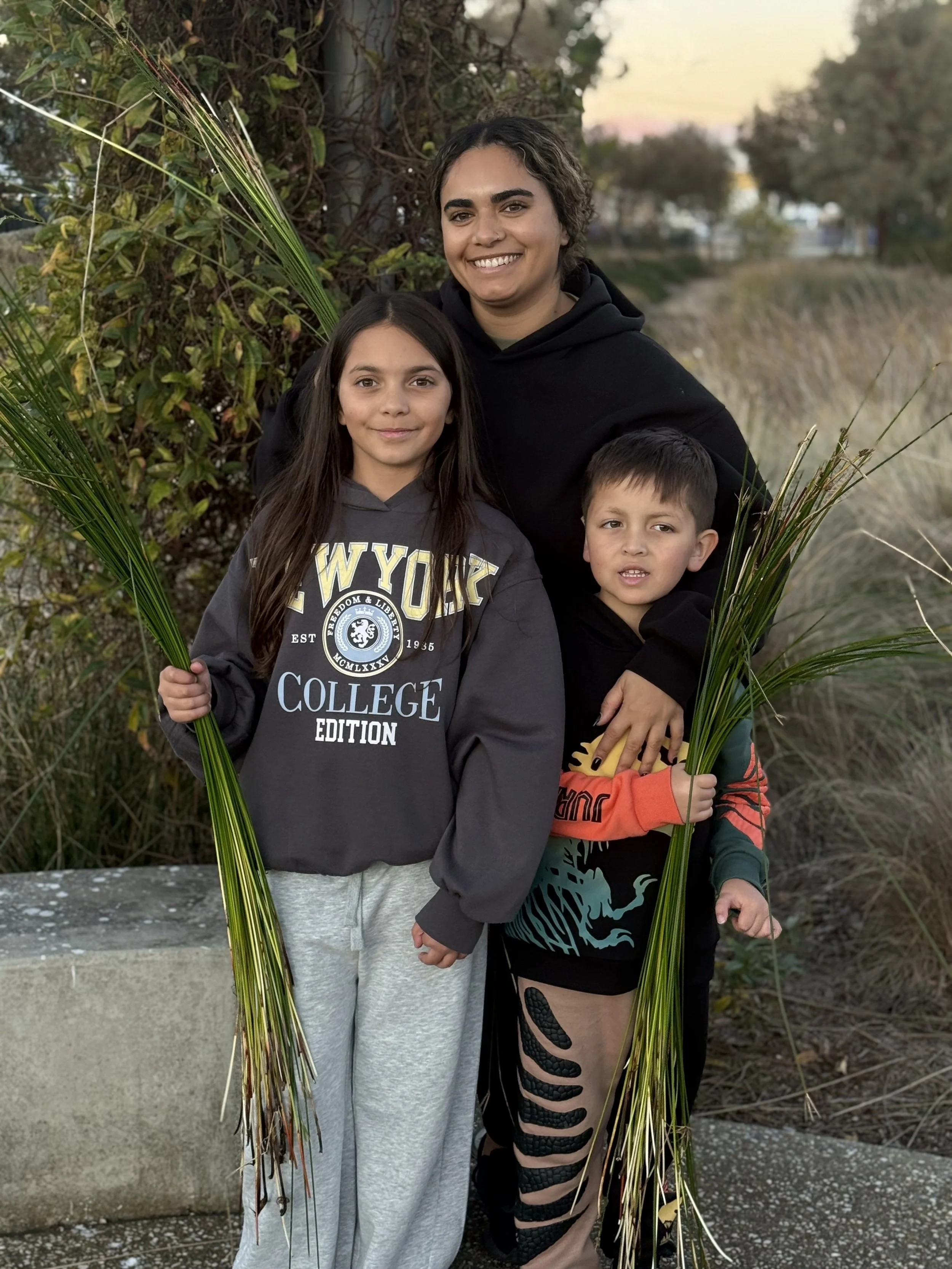
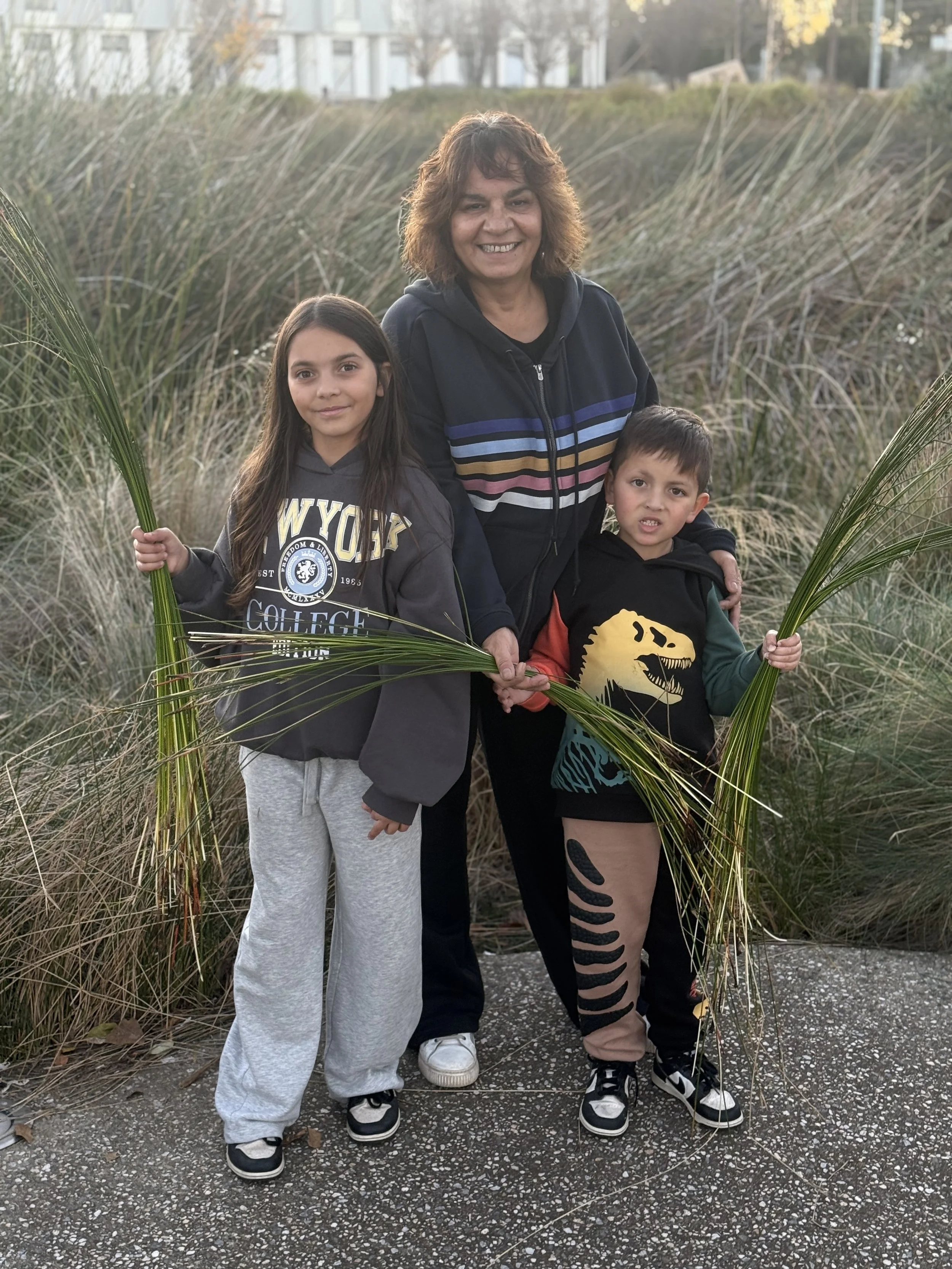
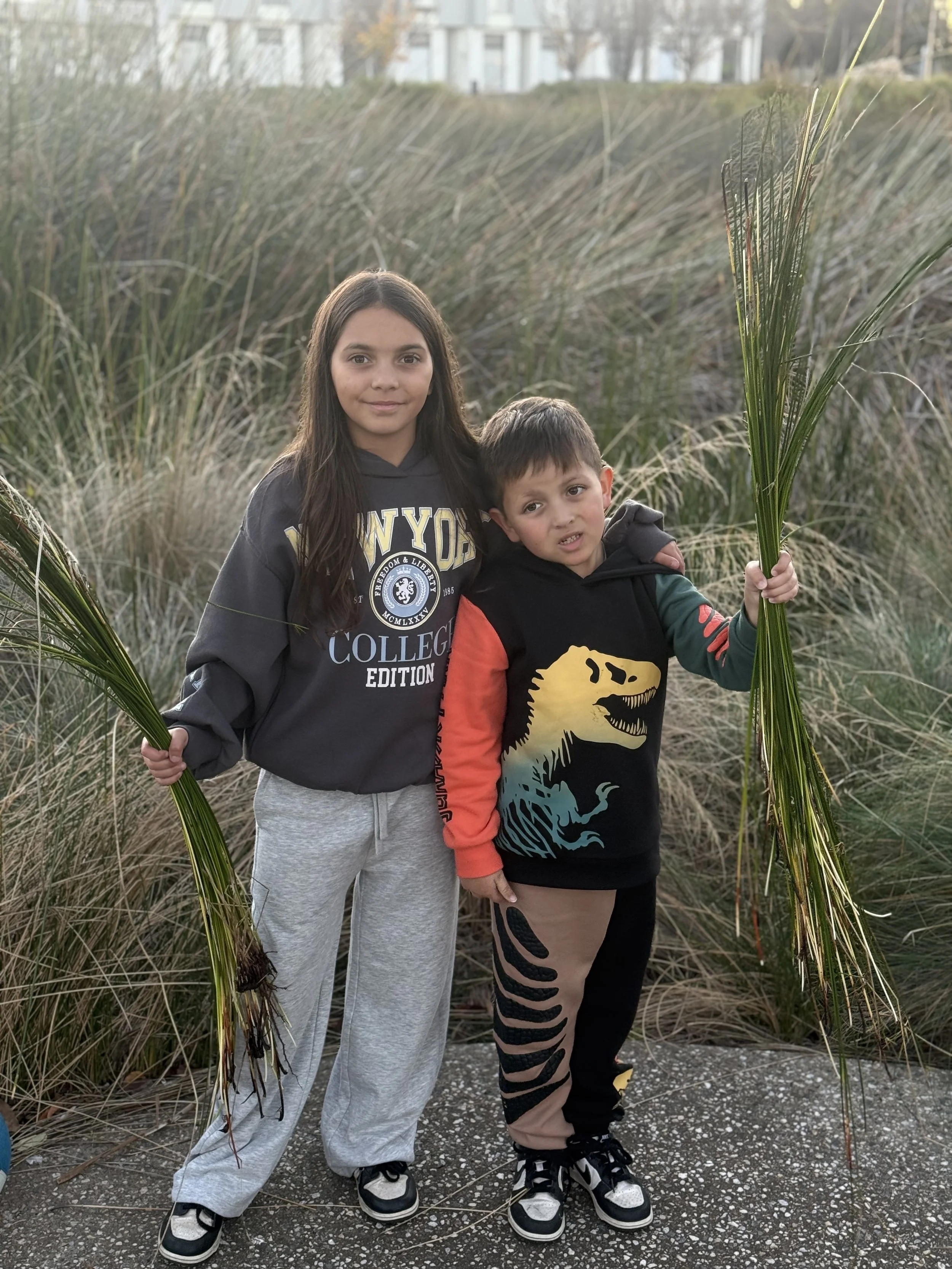
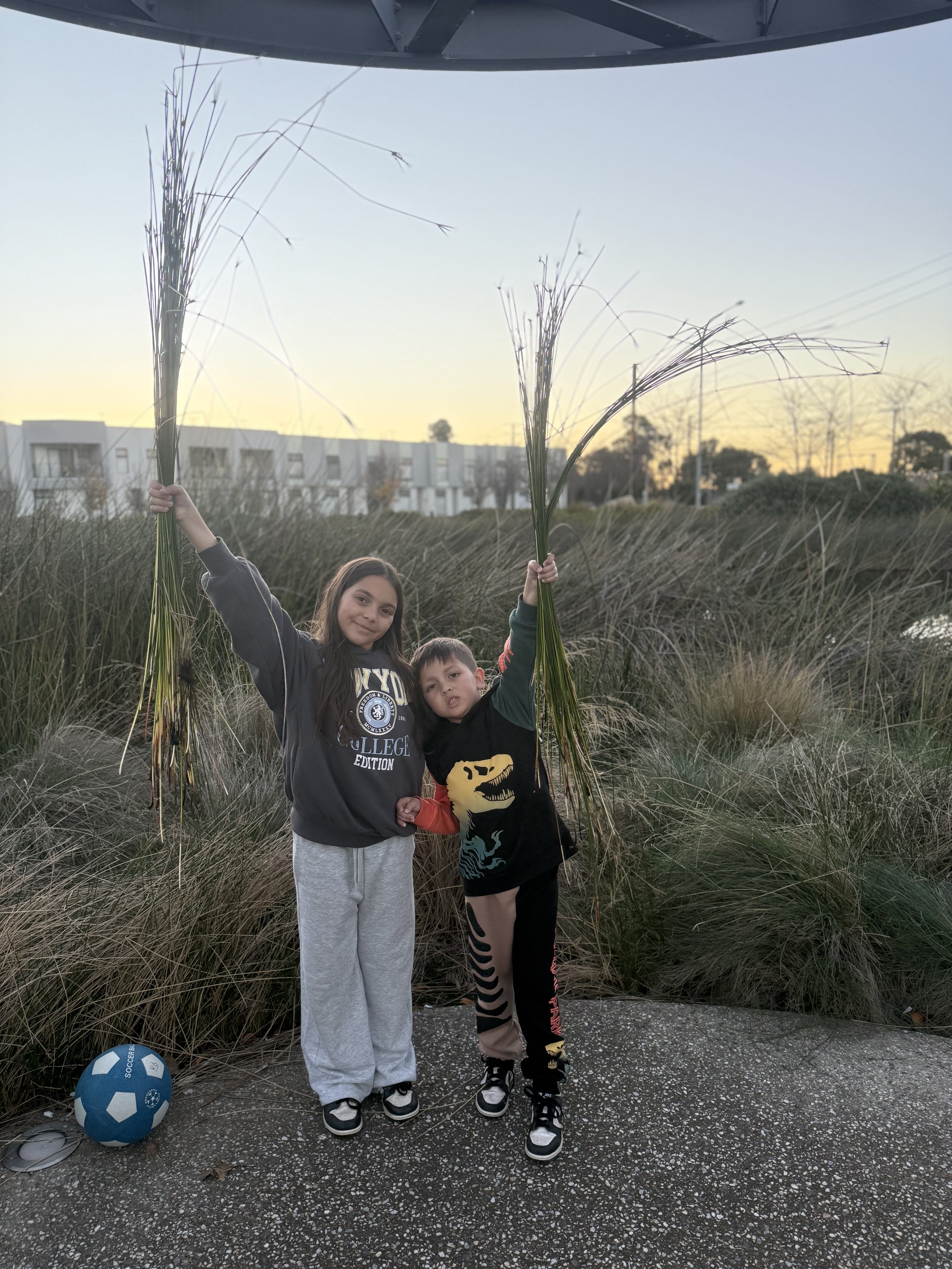
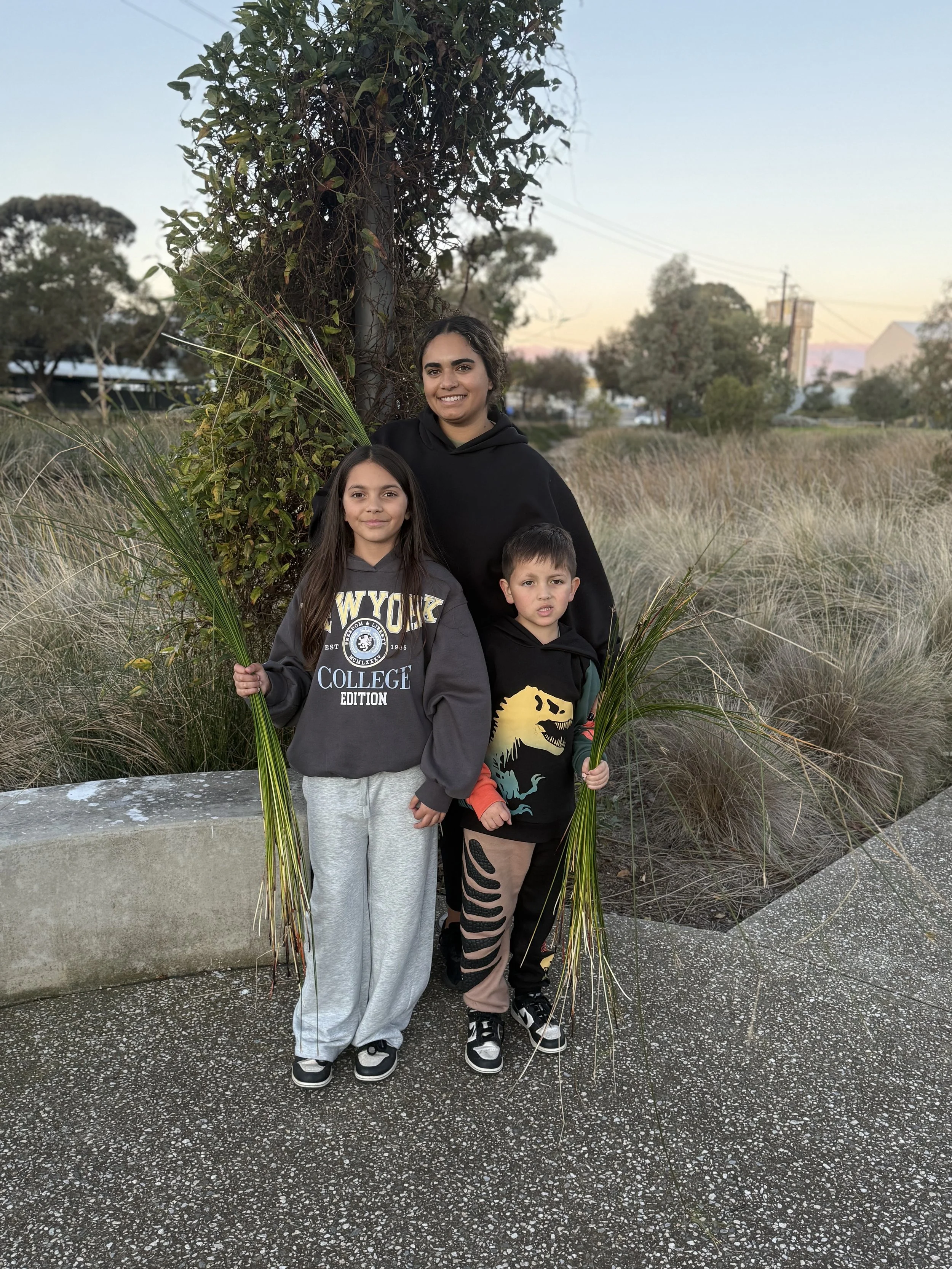
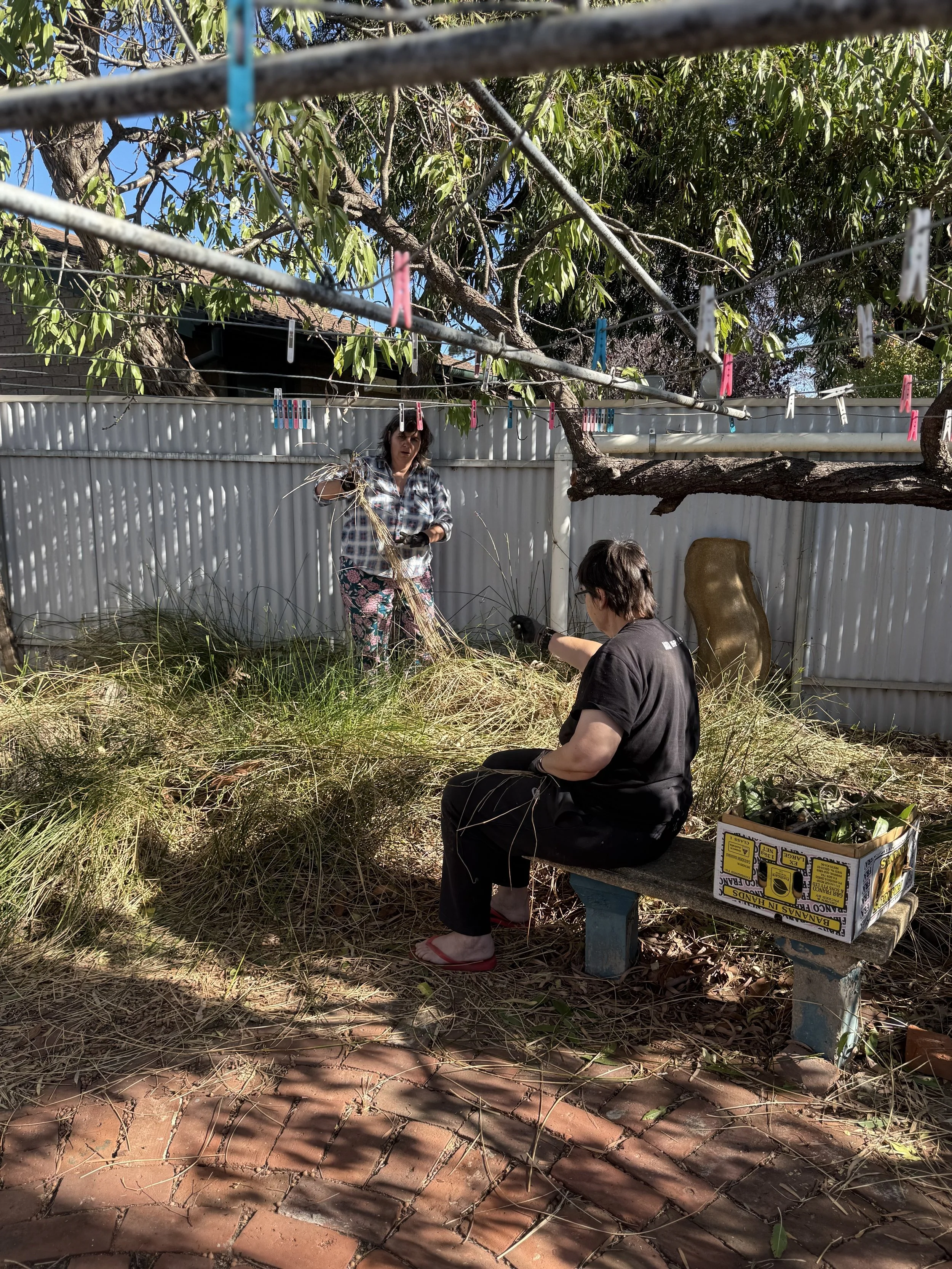
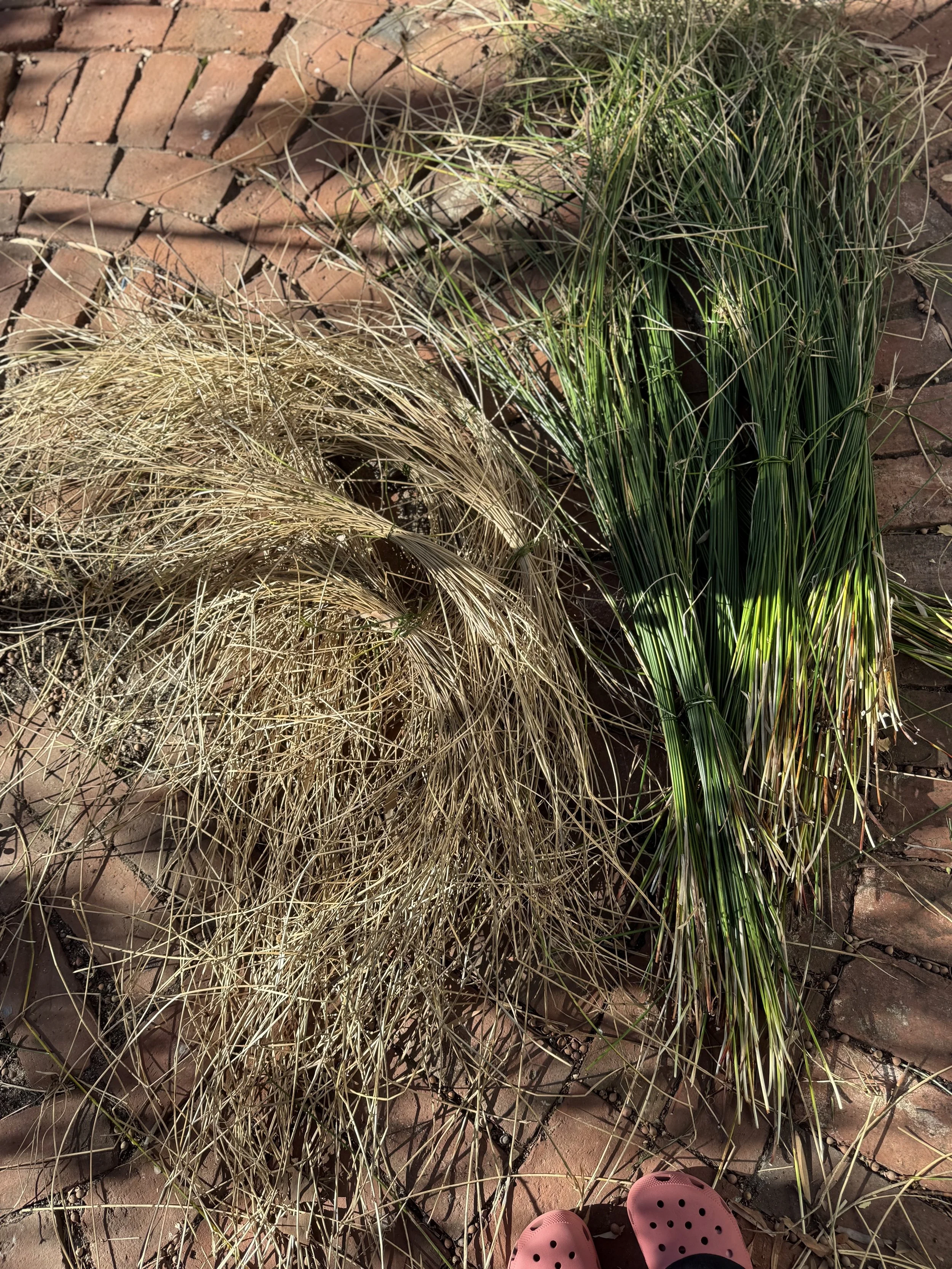
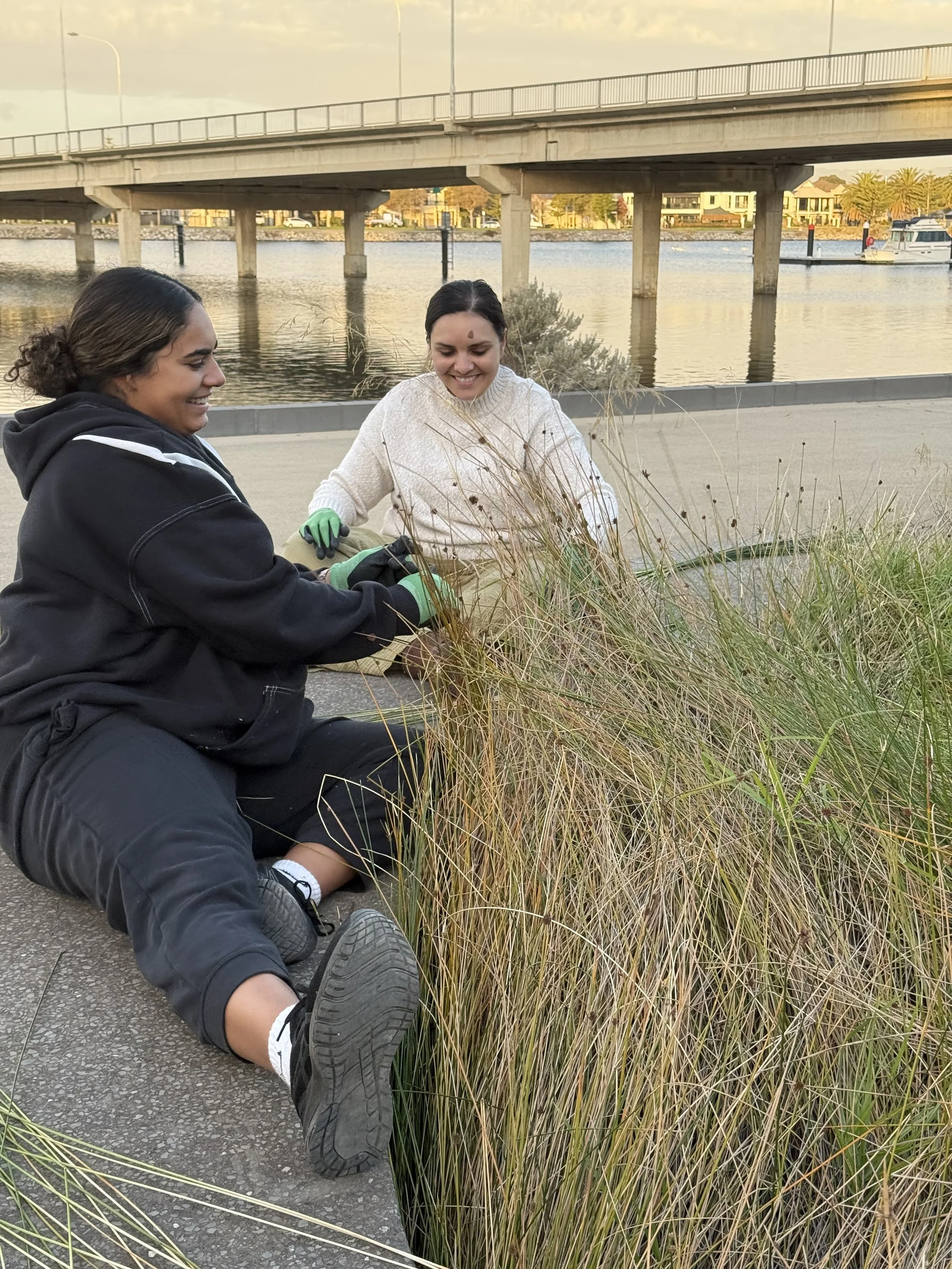
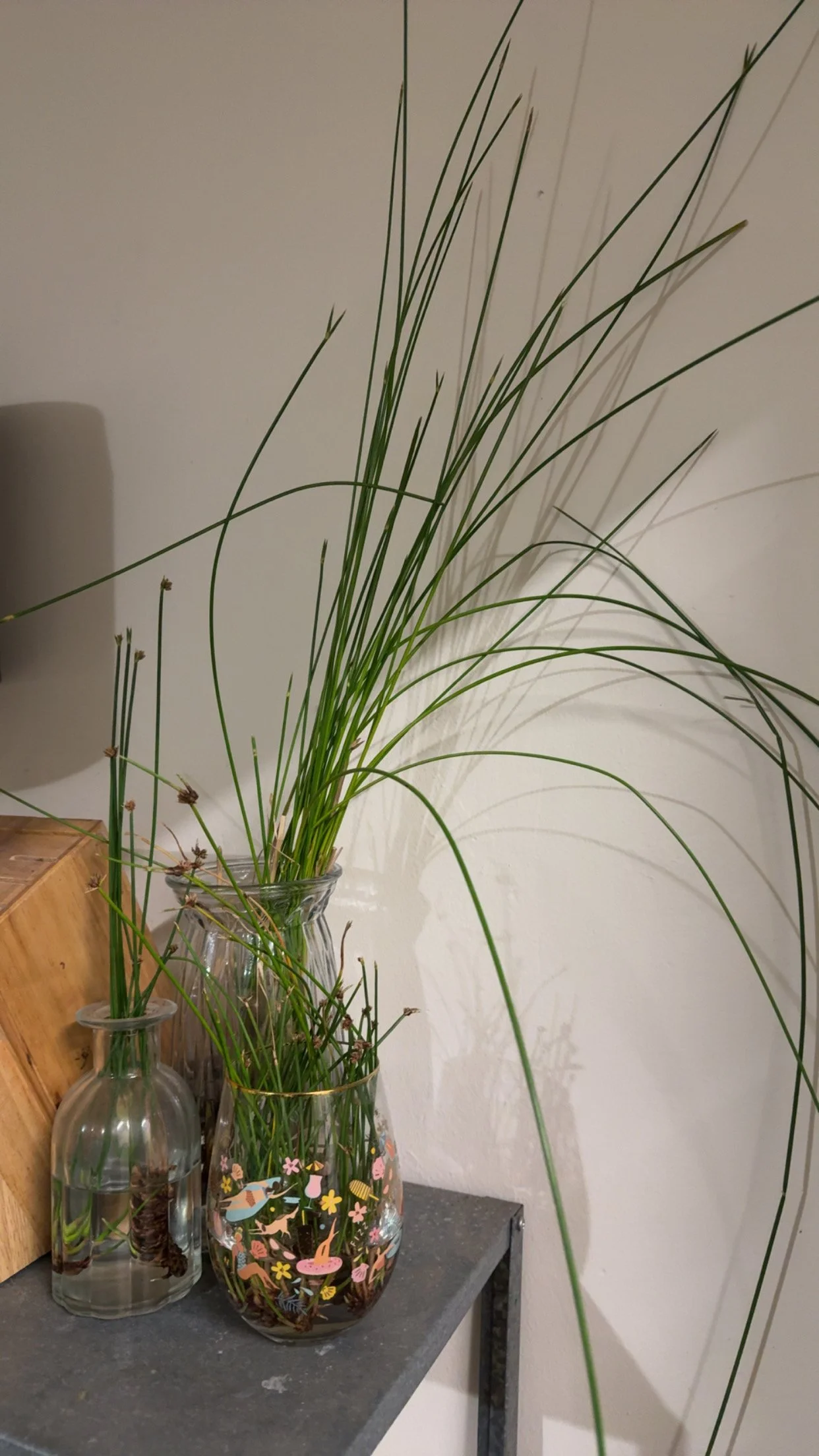
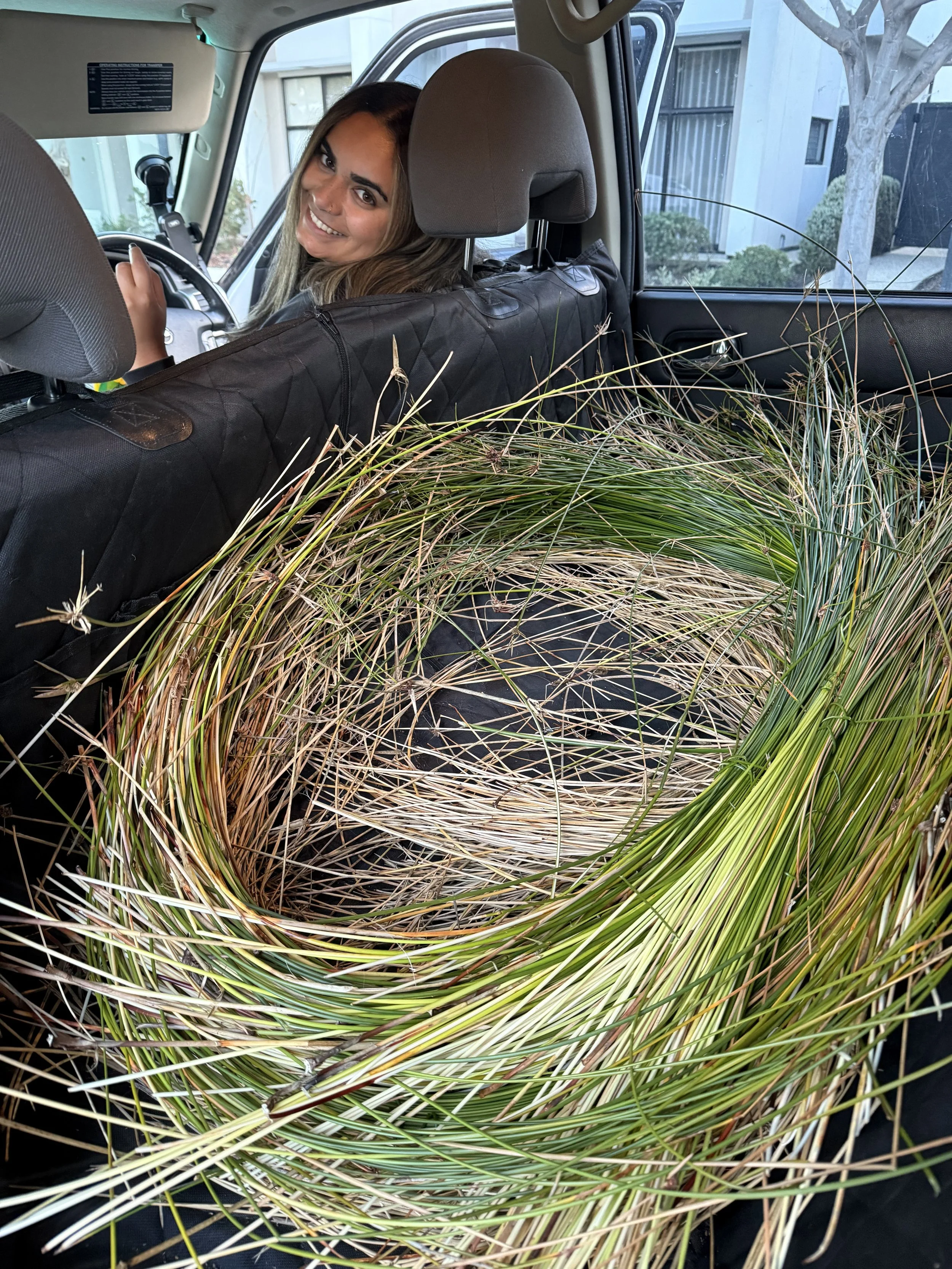
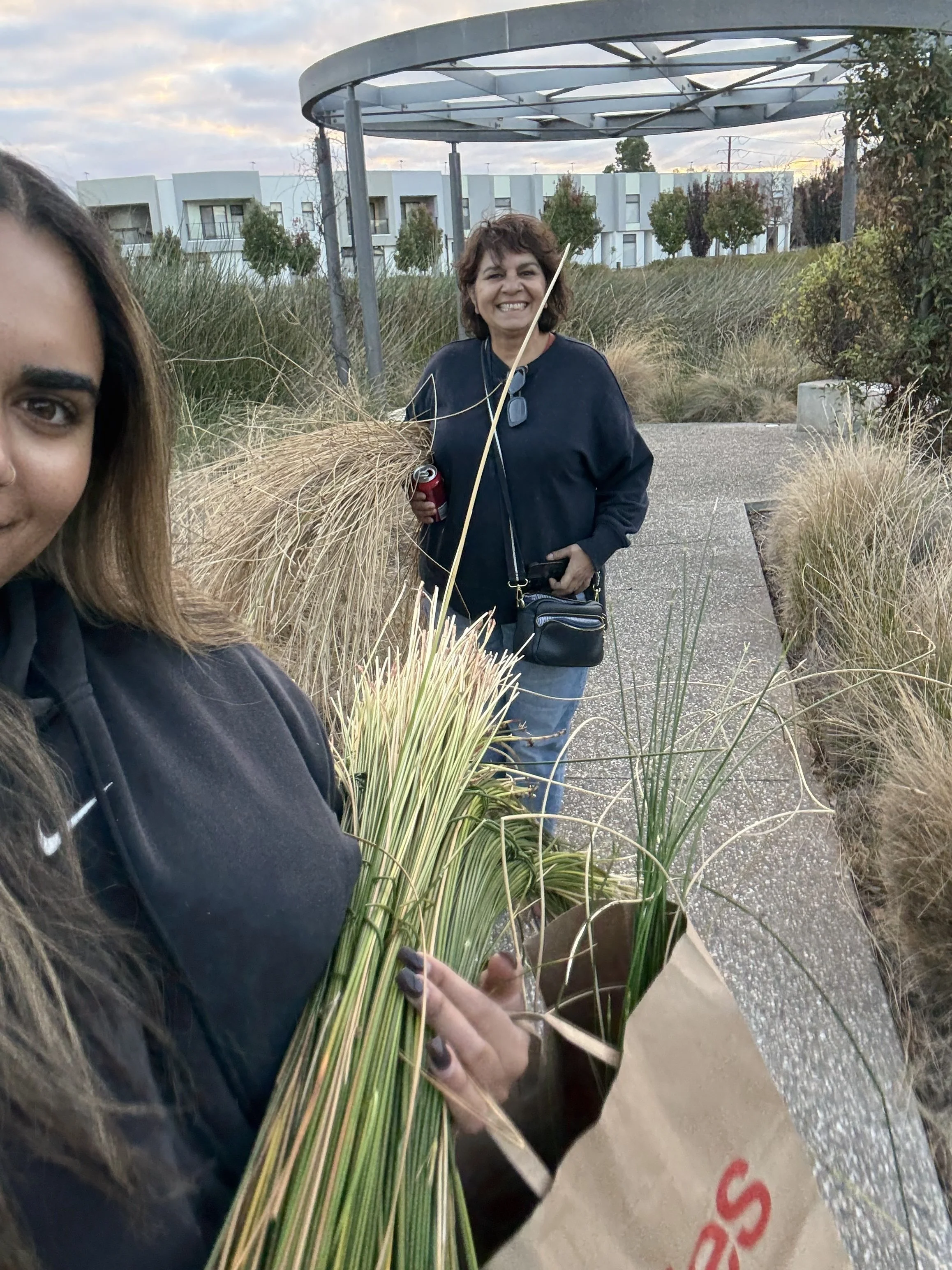
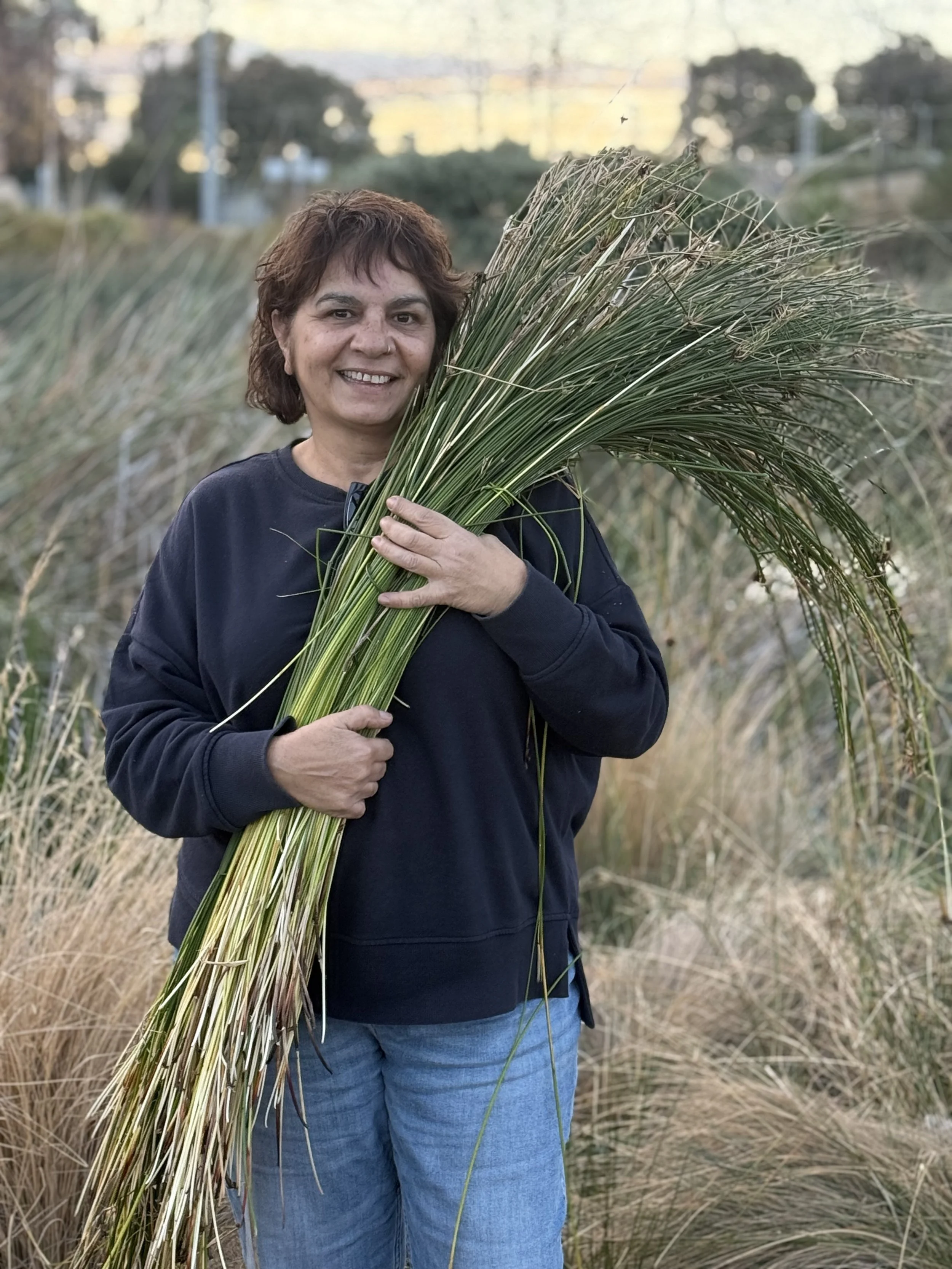
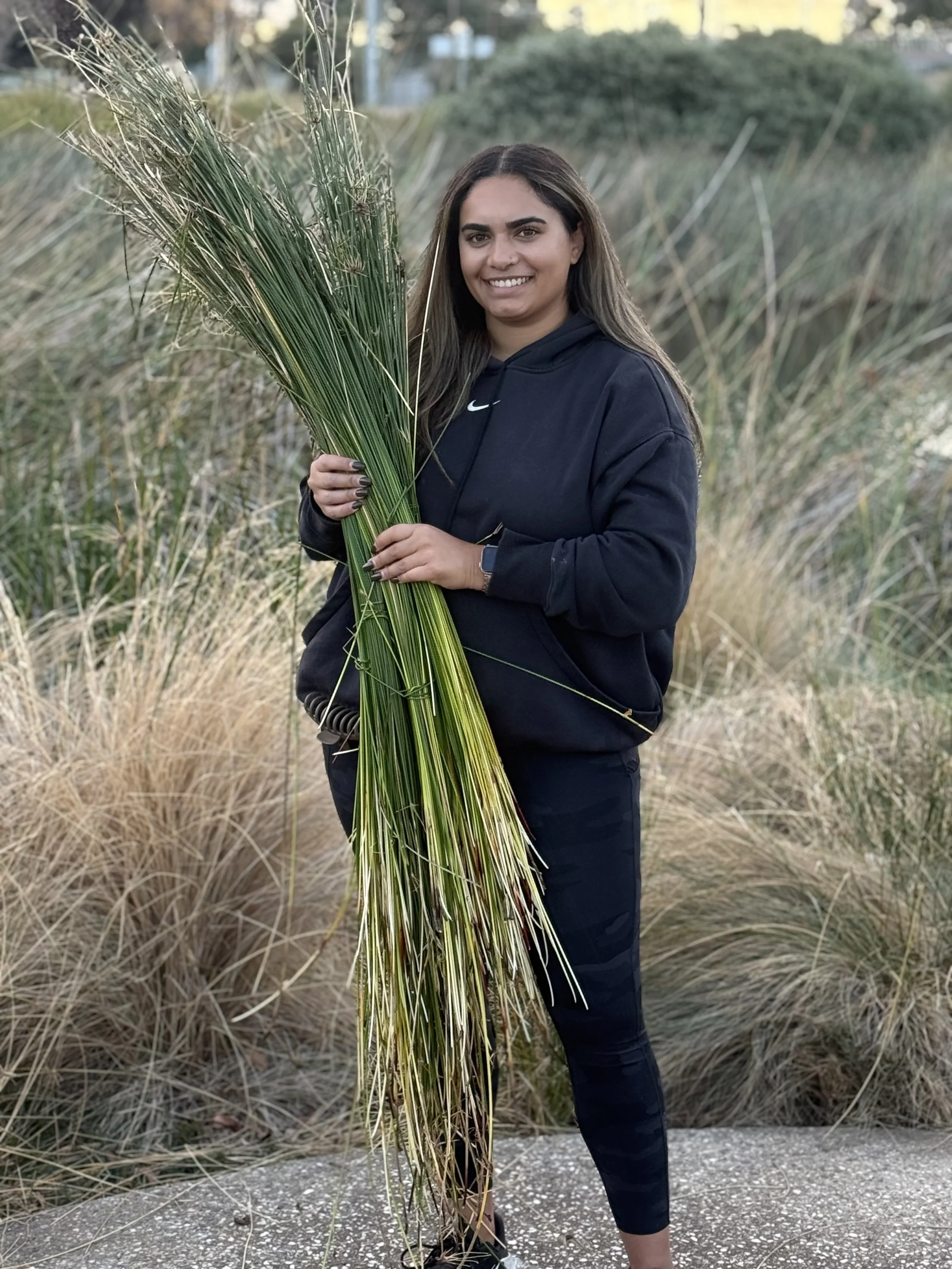
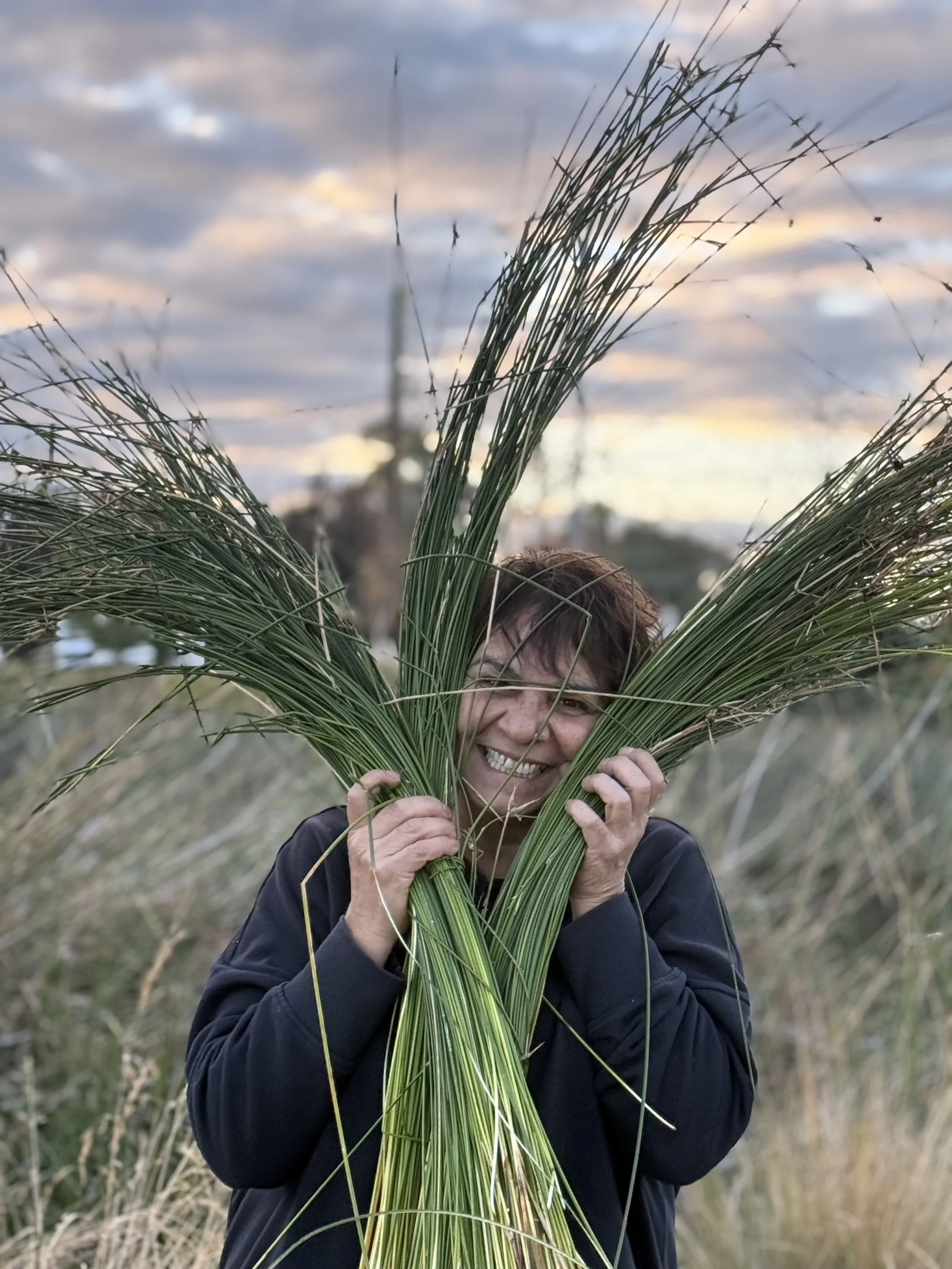
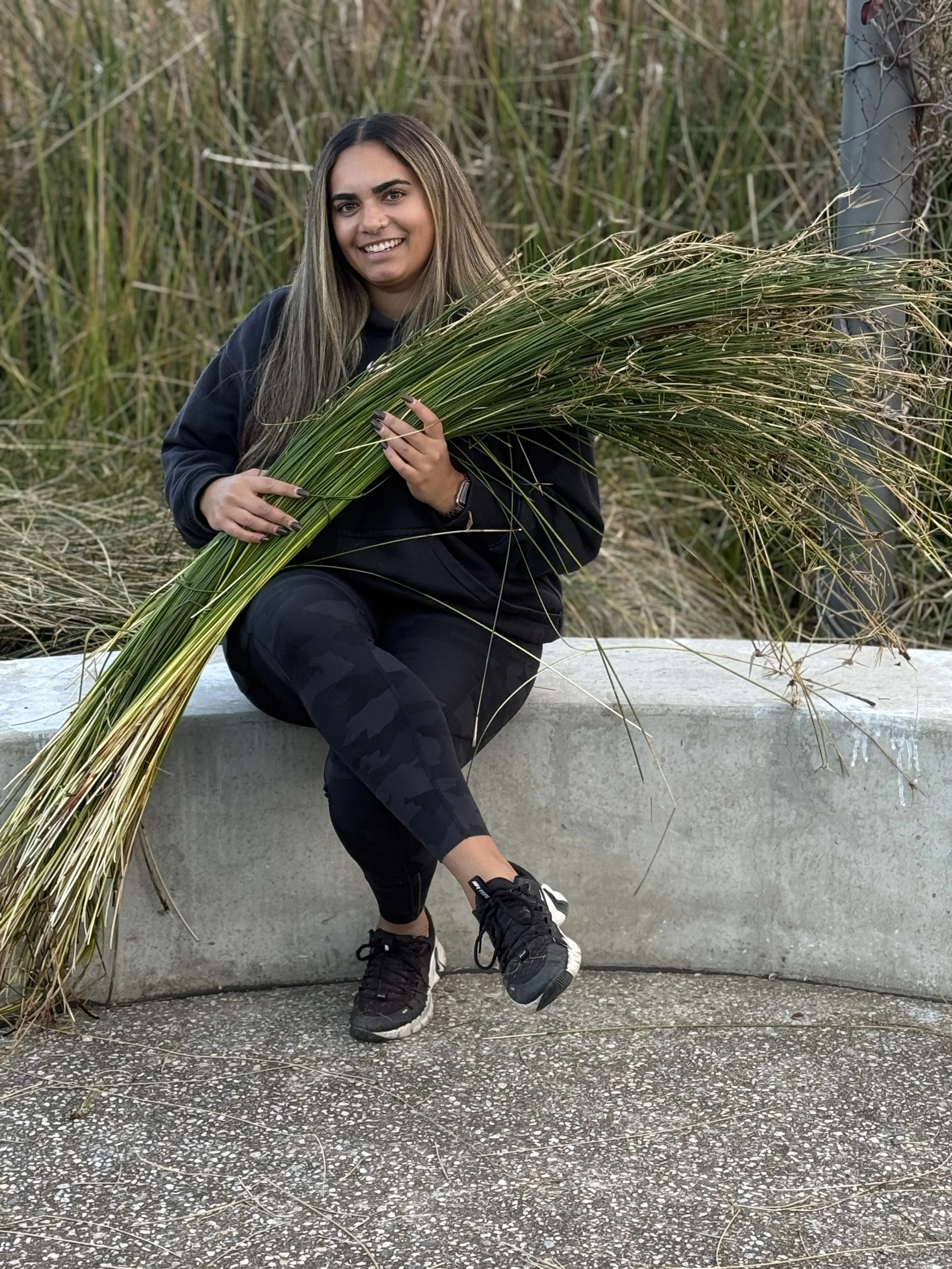

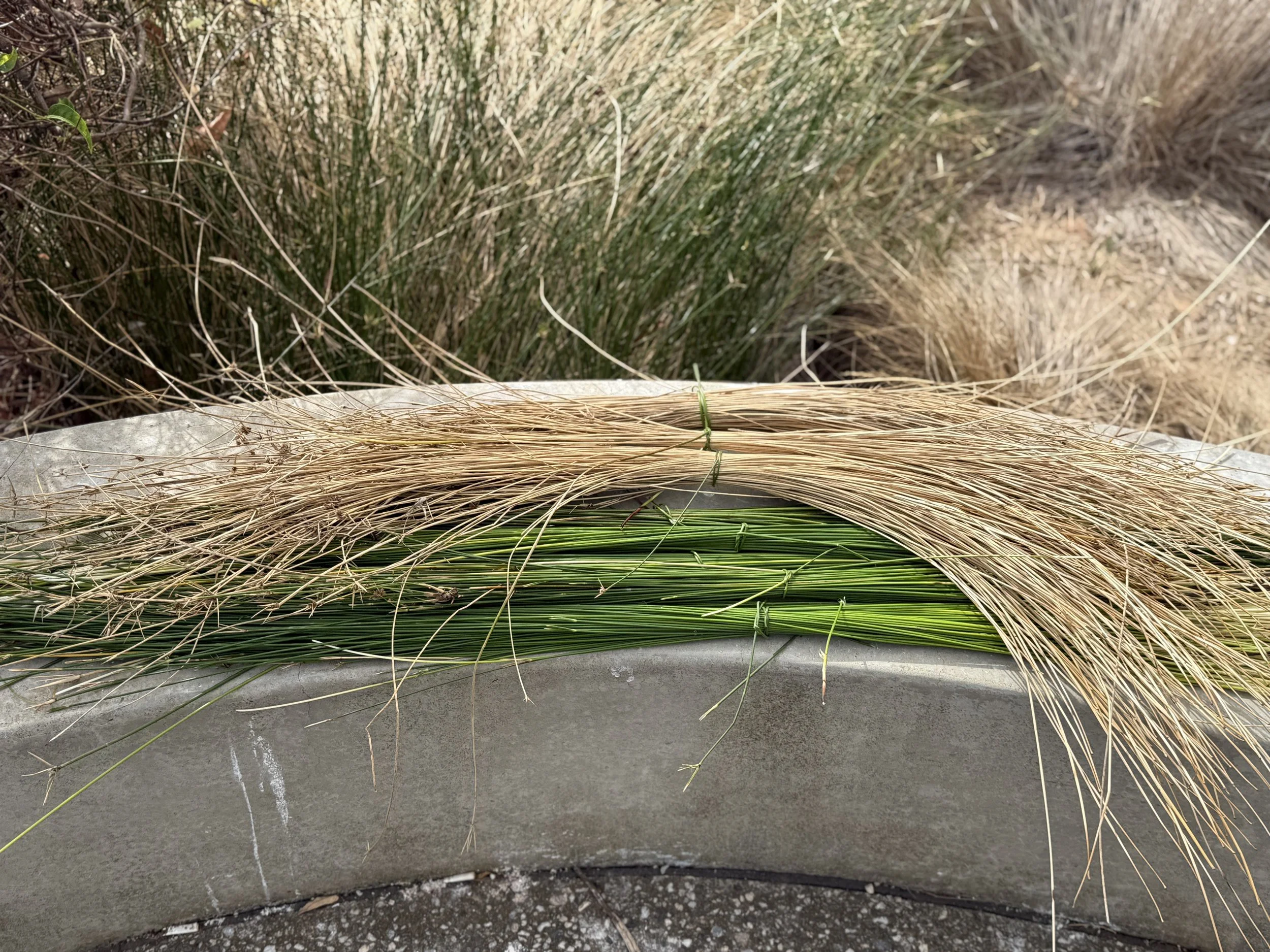
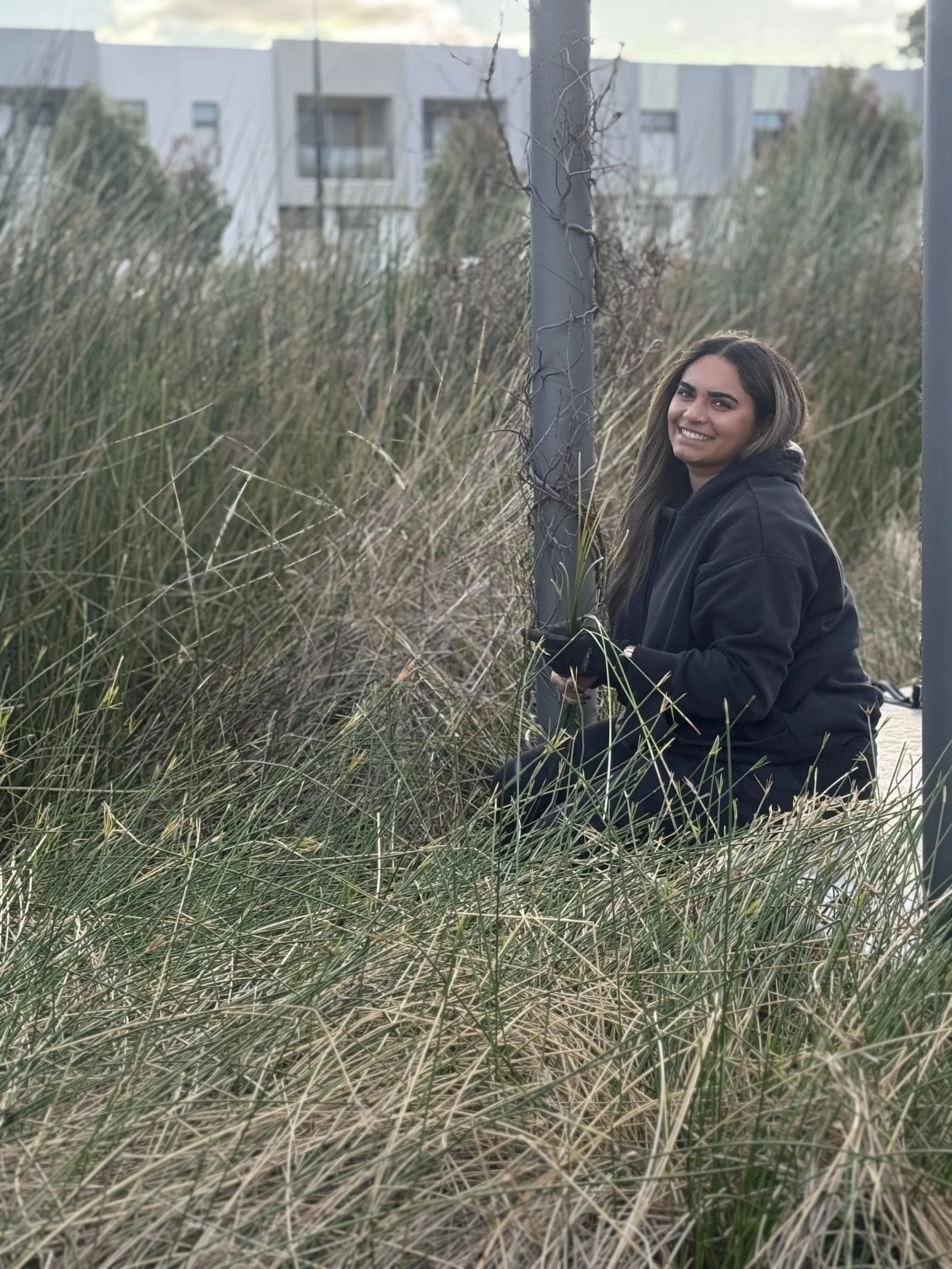
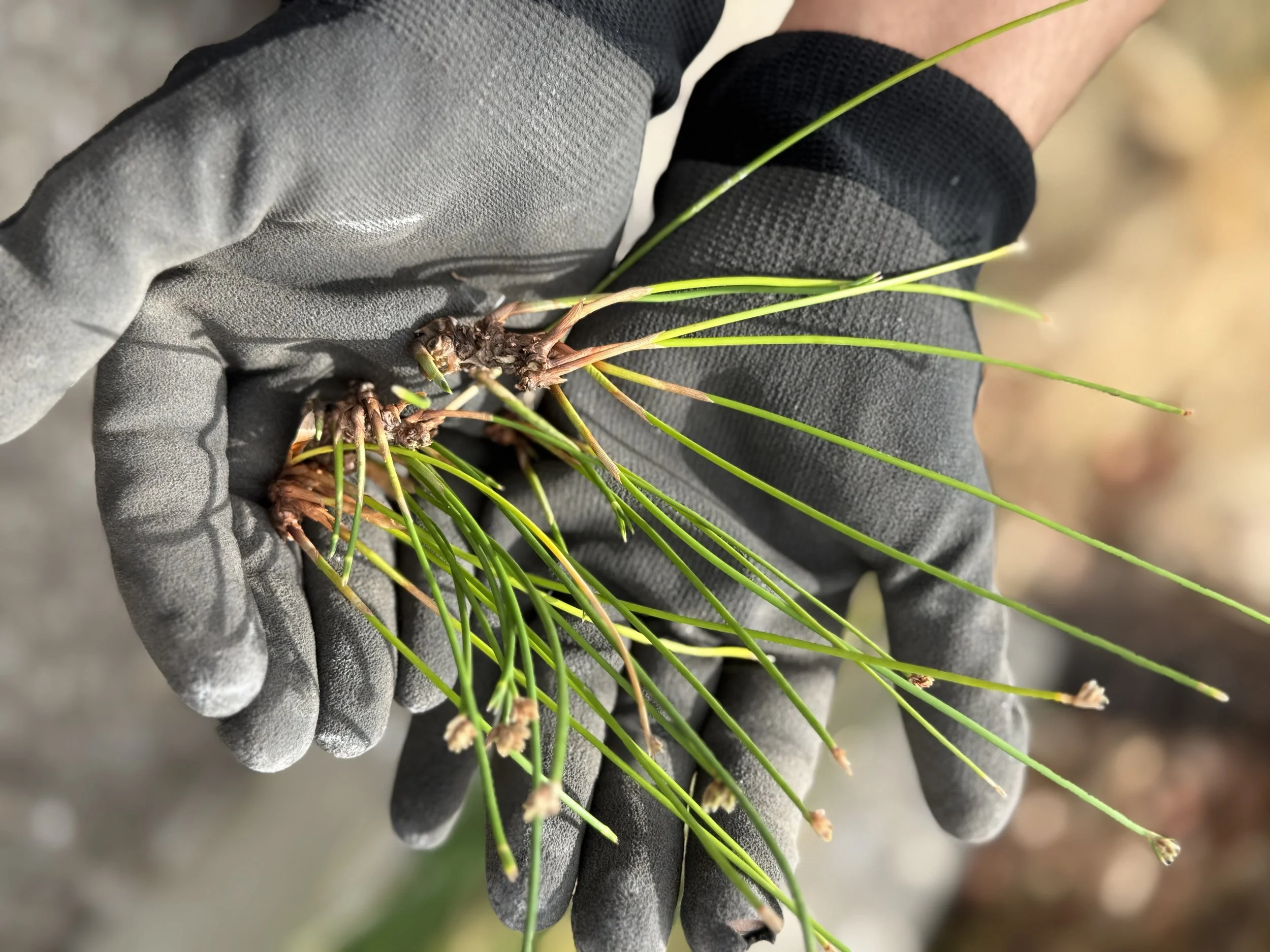
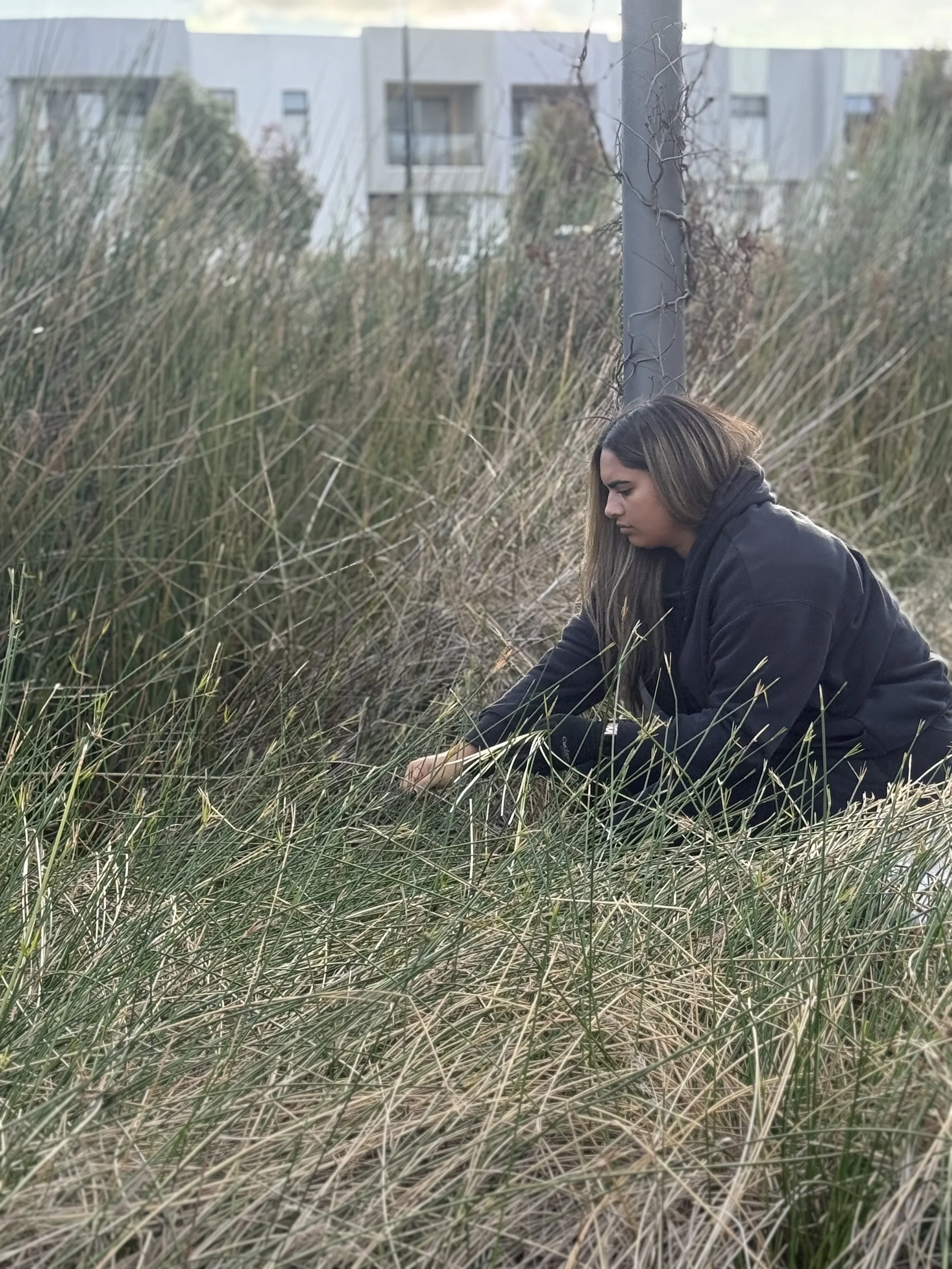
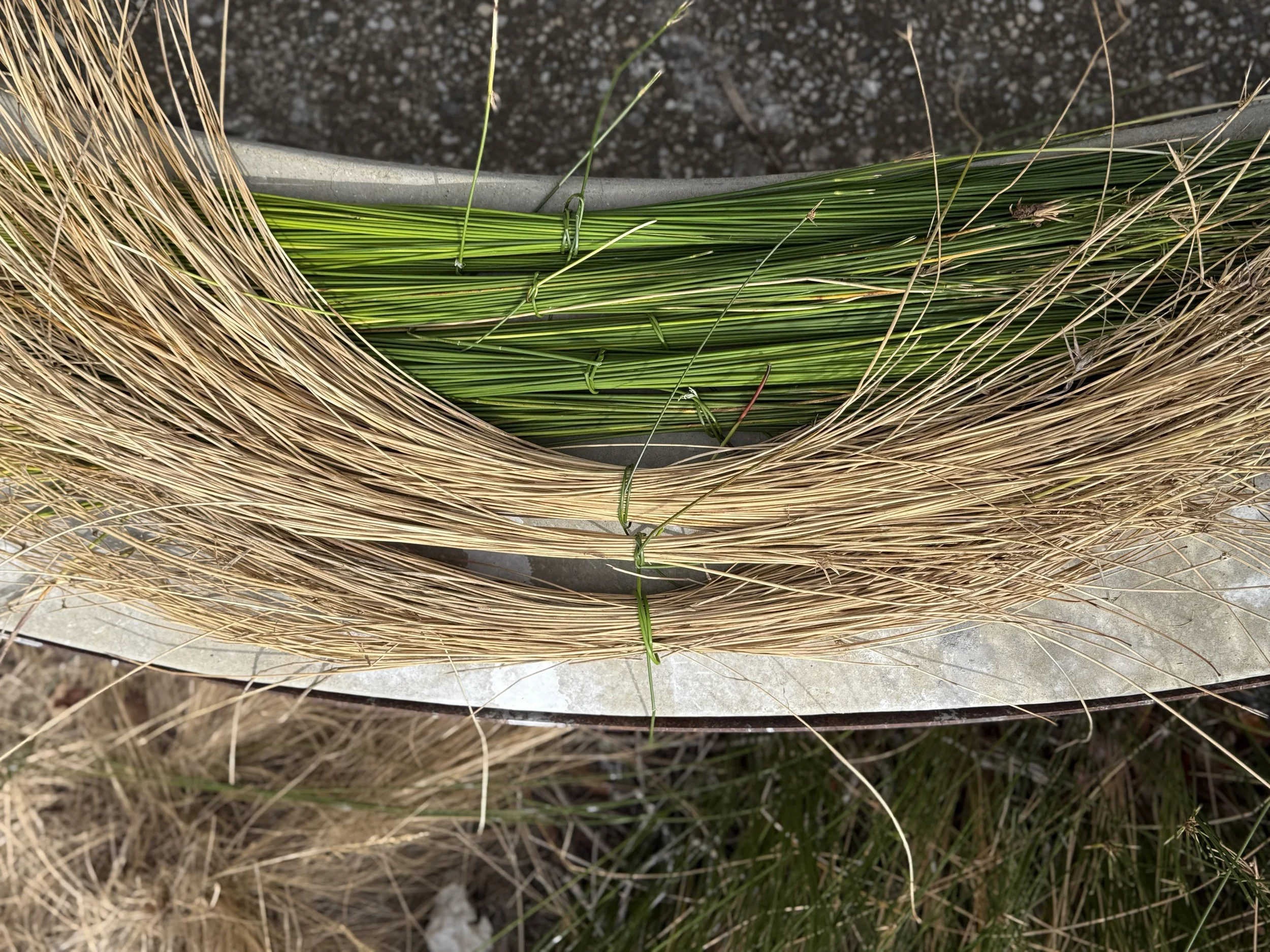
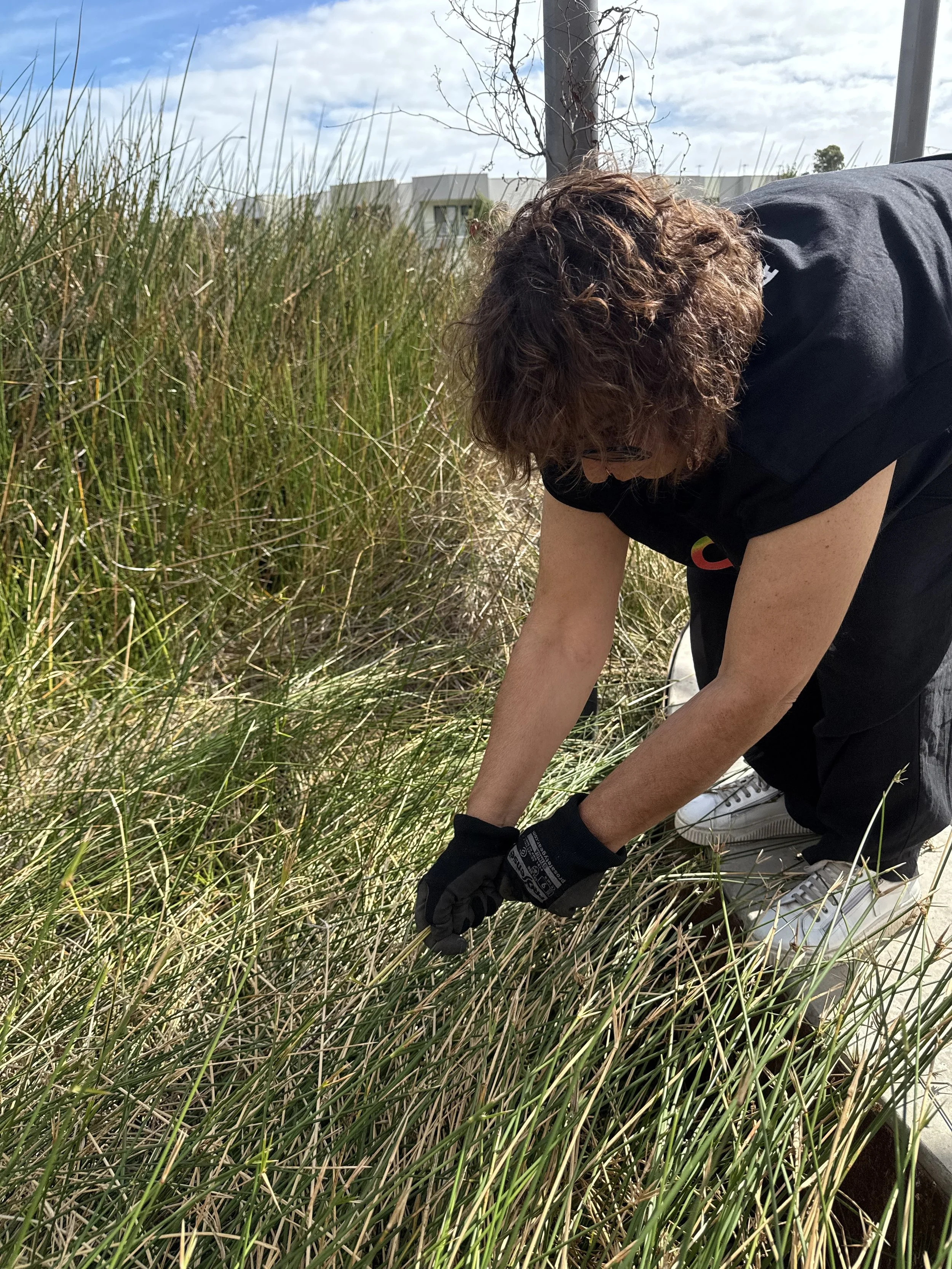
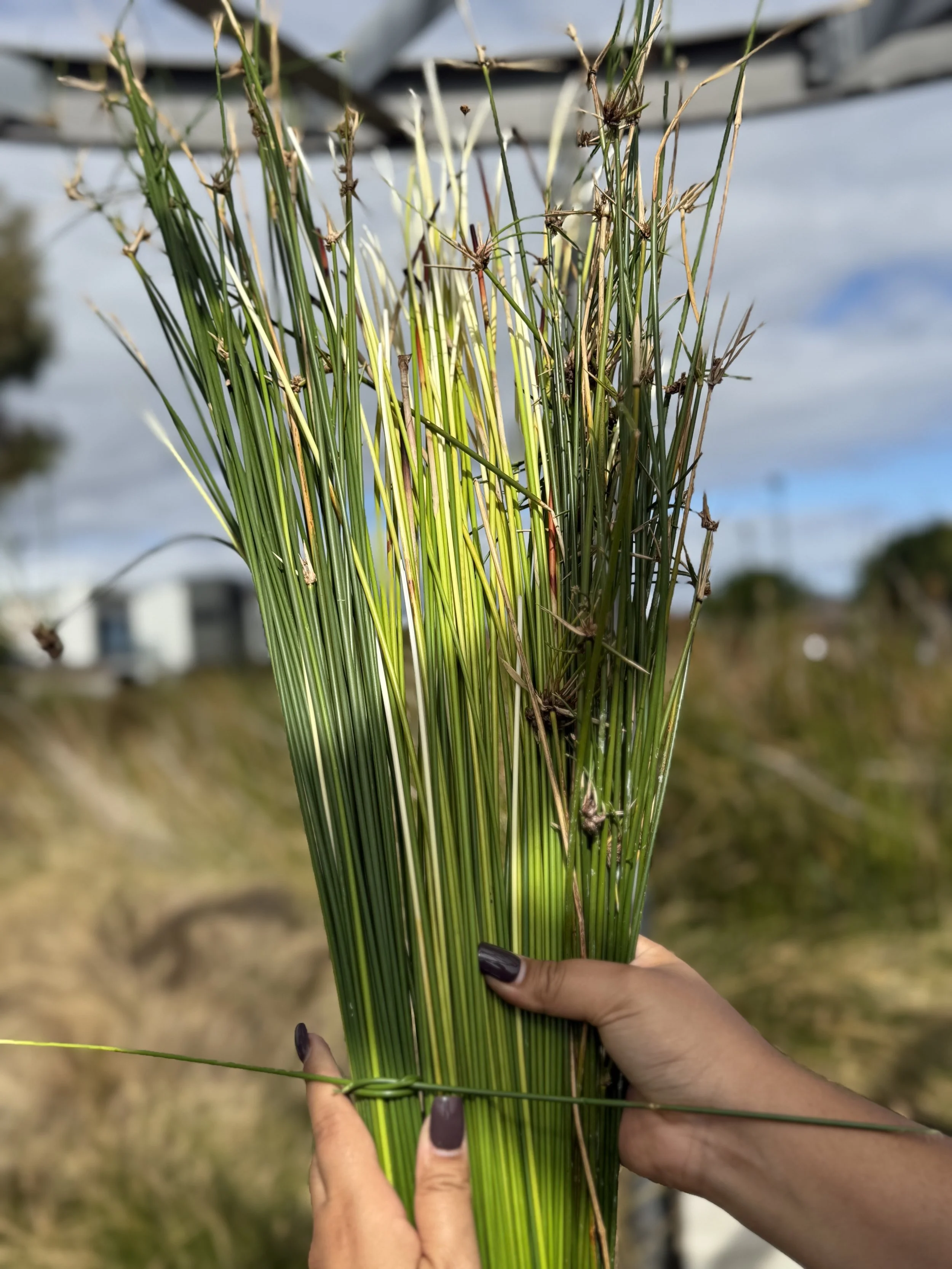
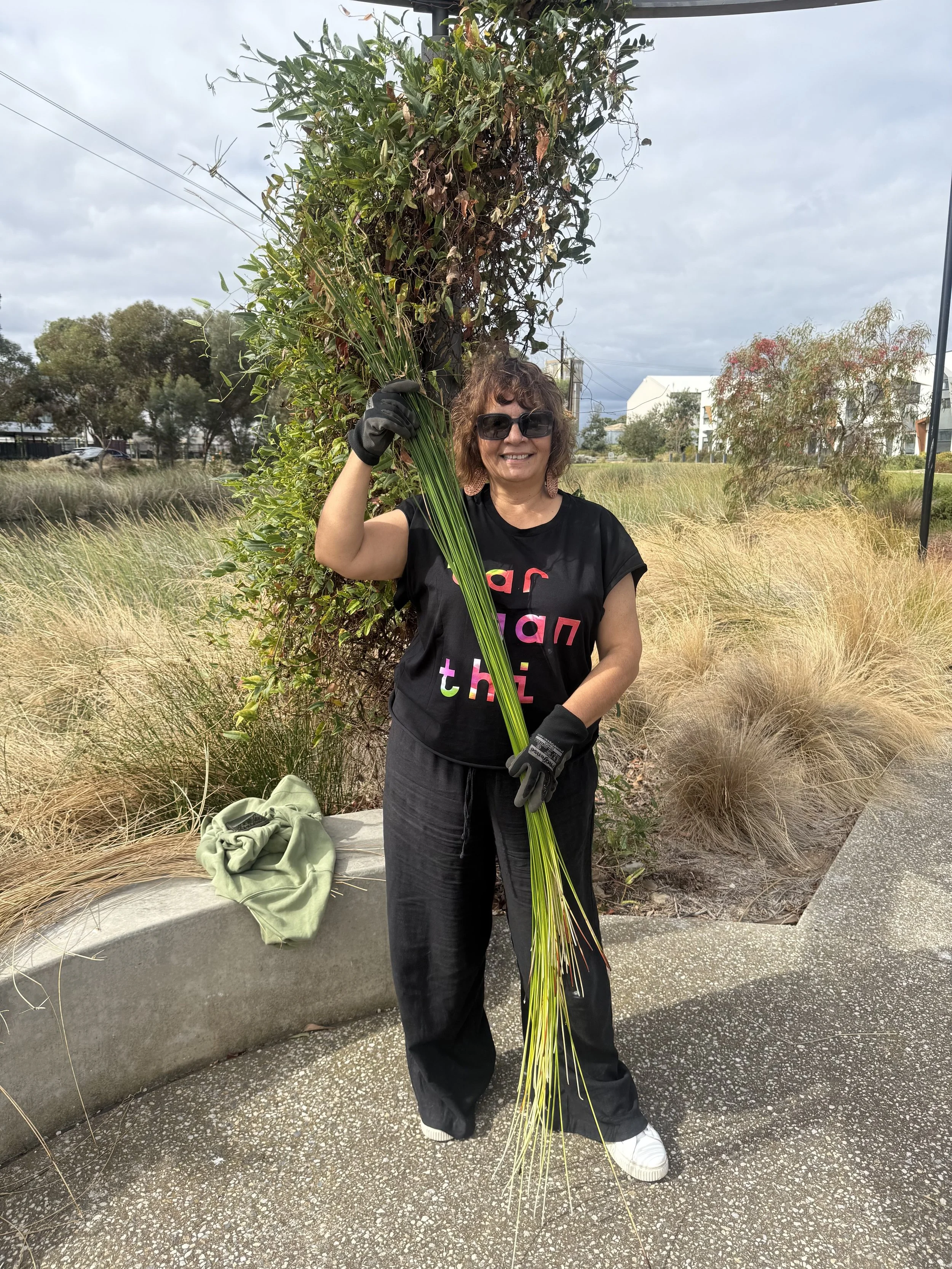
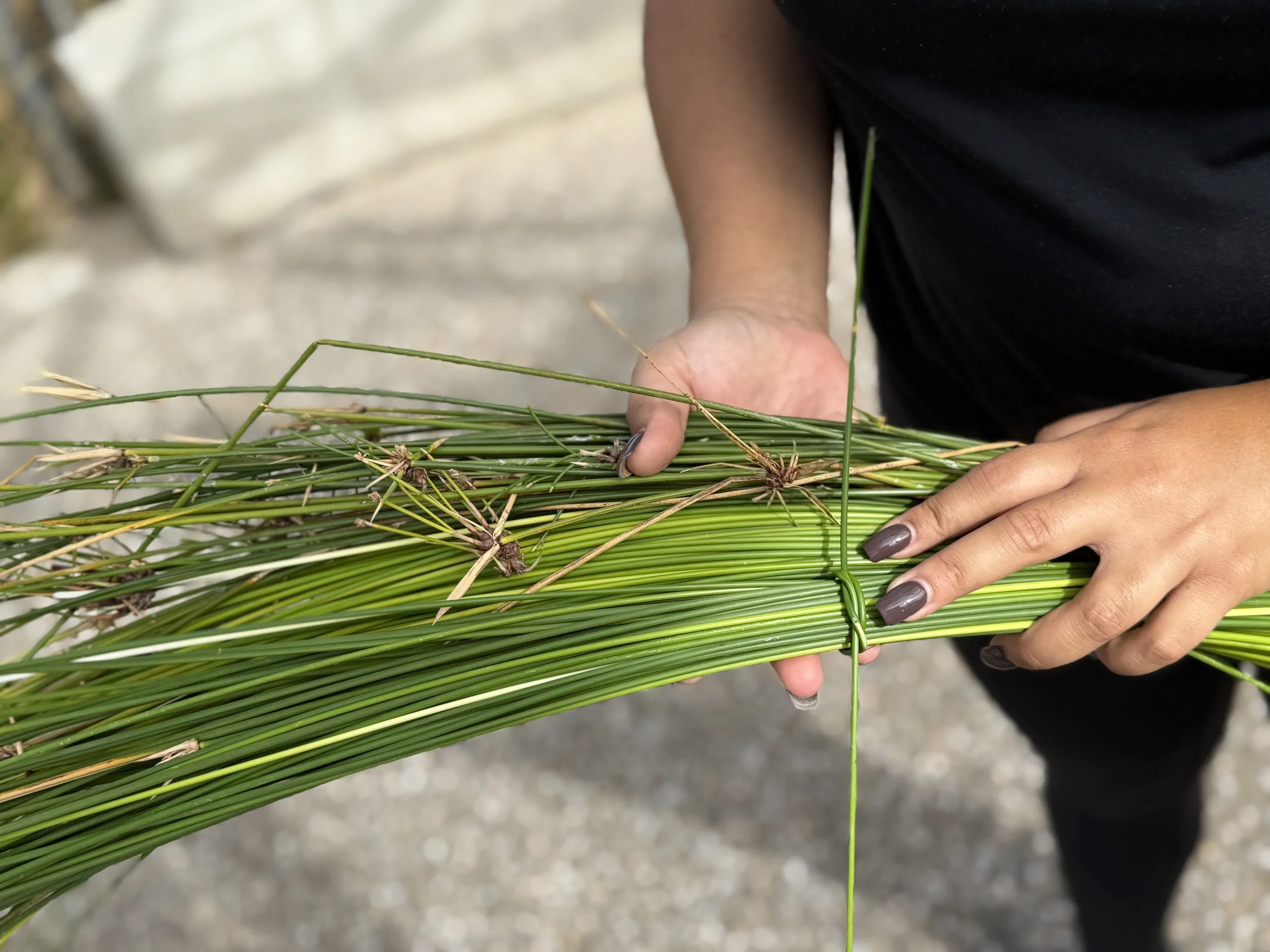
Gathering reeds - a Lakun Mara family affair. Images by: Carron Daveson & Sonya Rankine
weaving
〰️
weaving 〰️
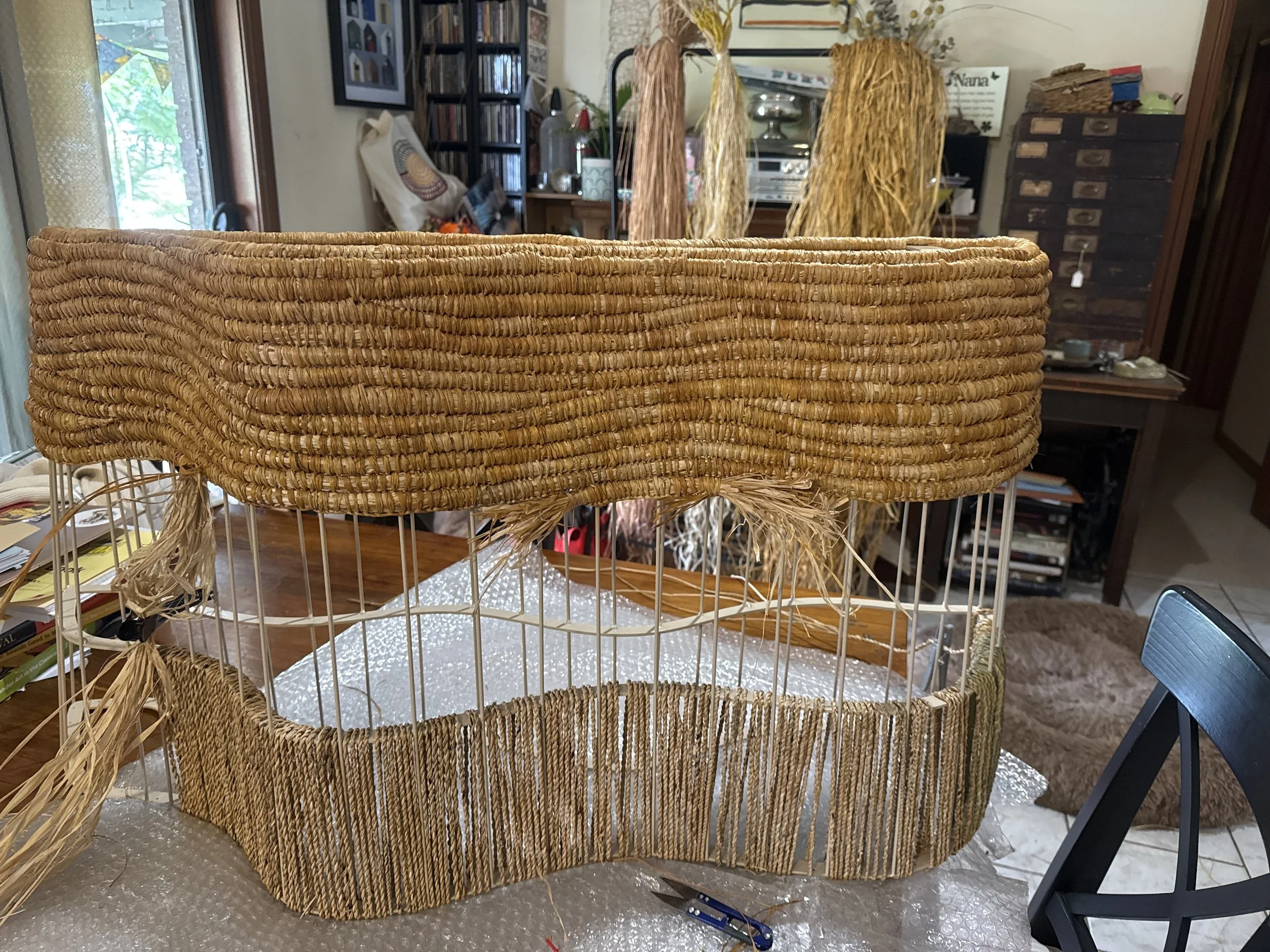
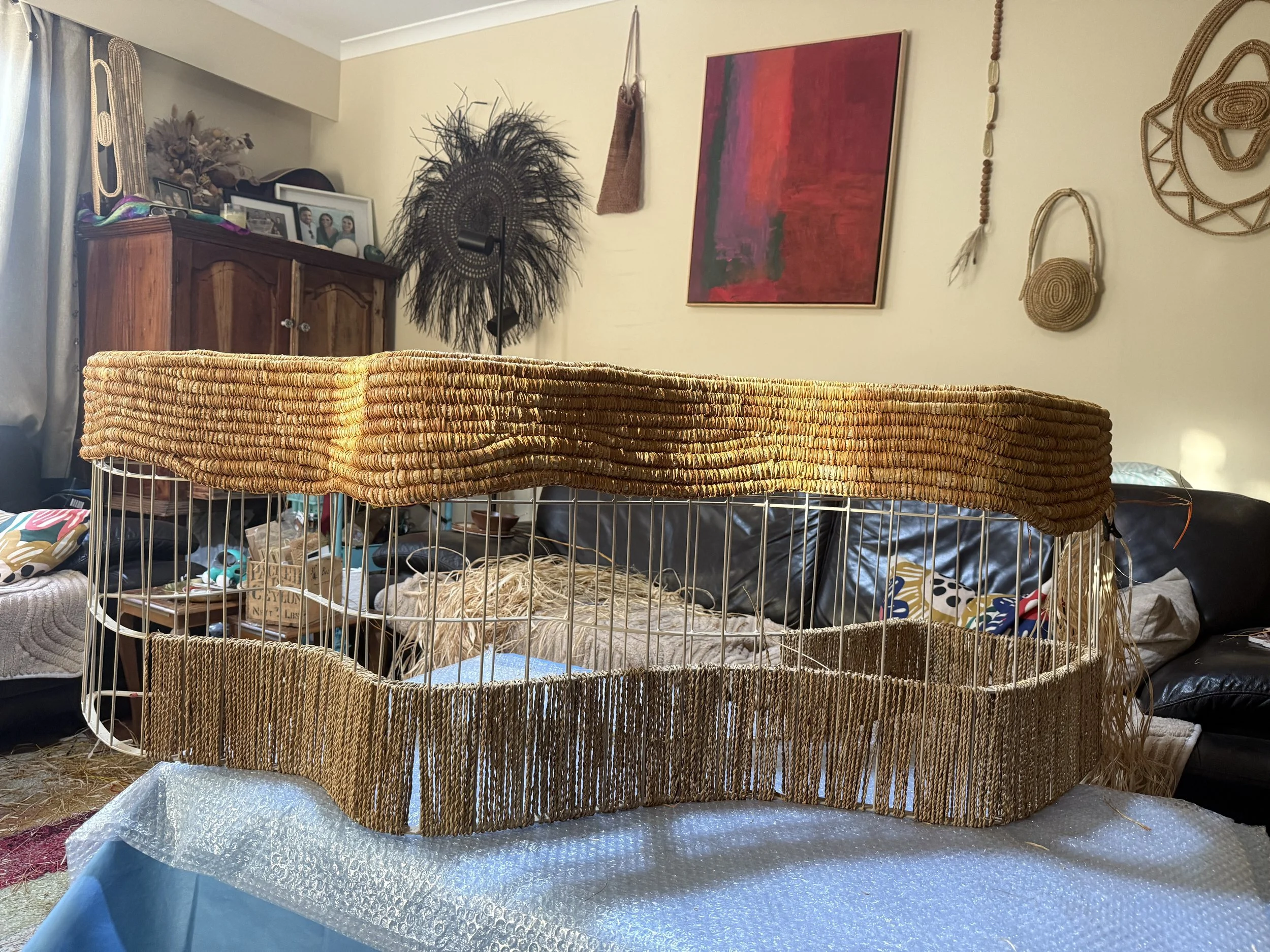
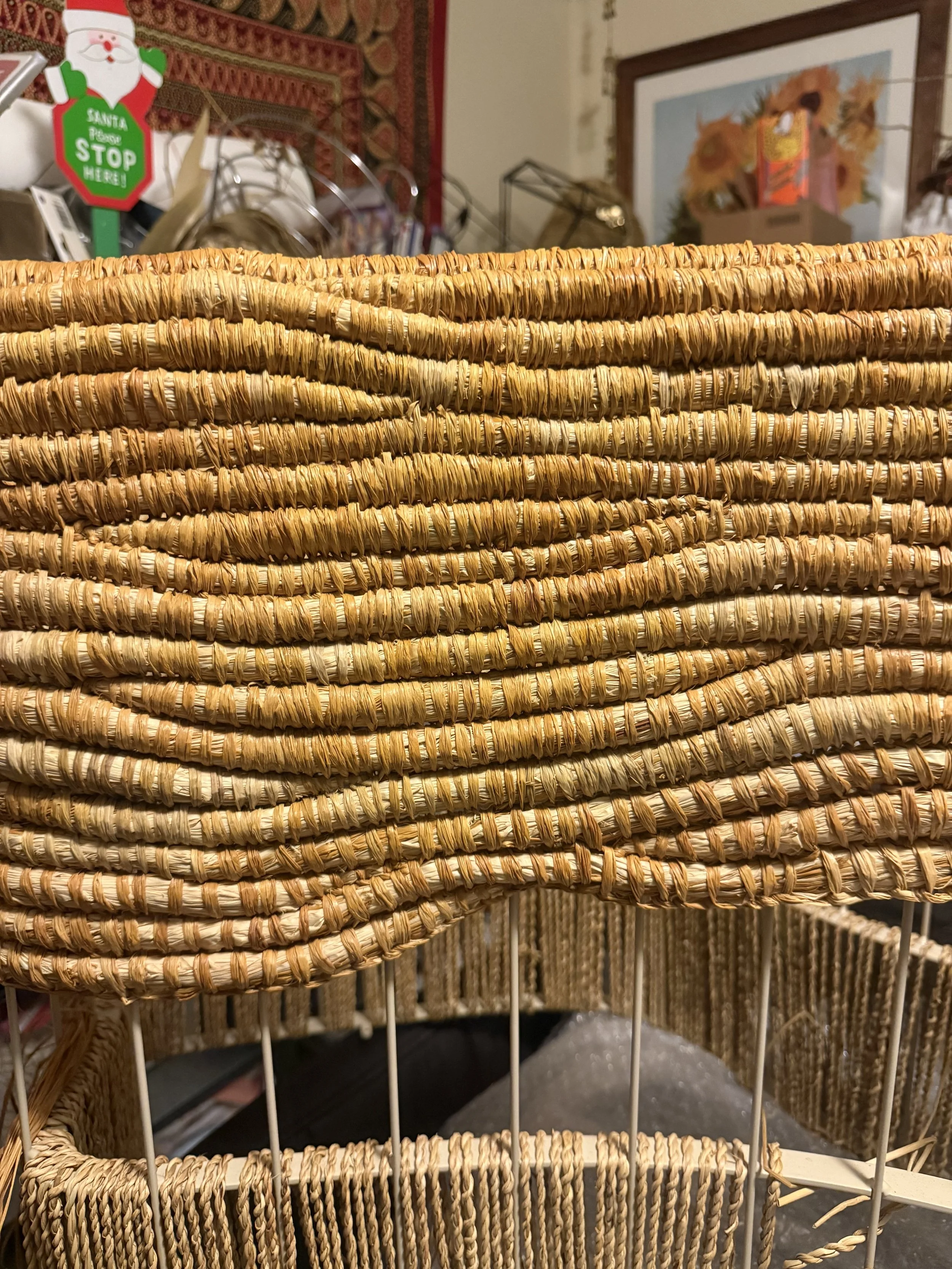
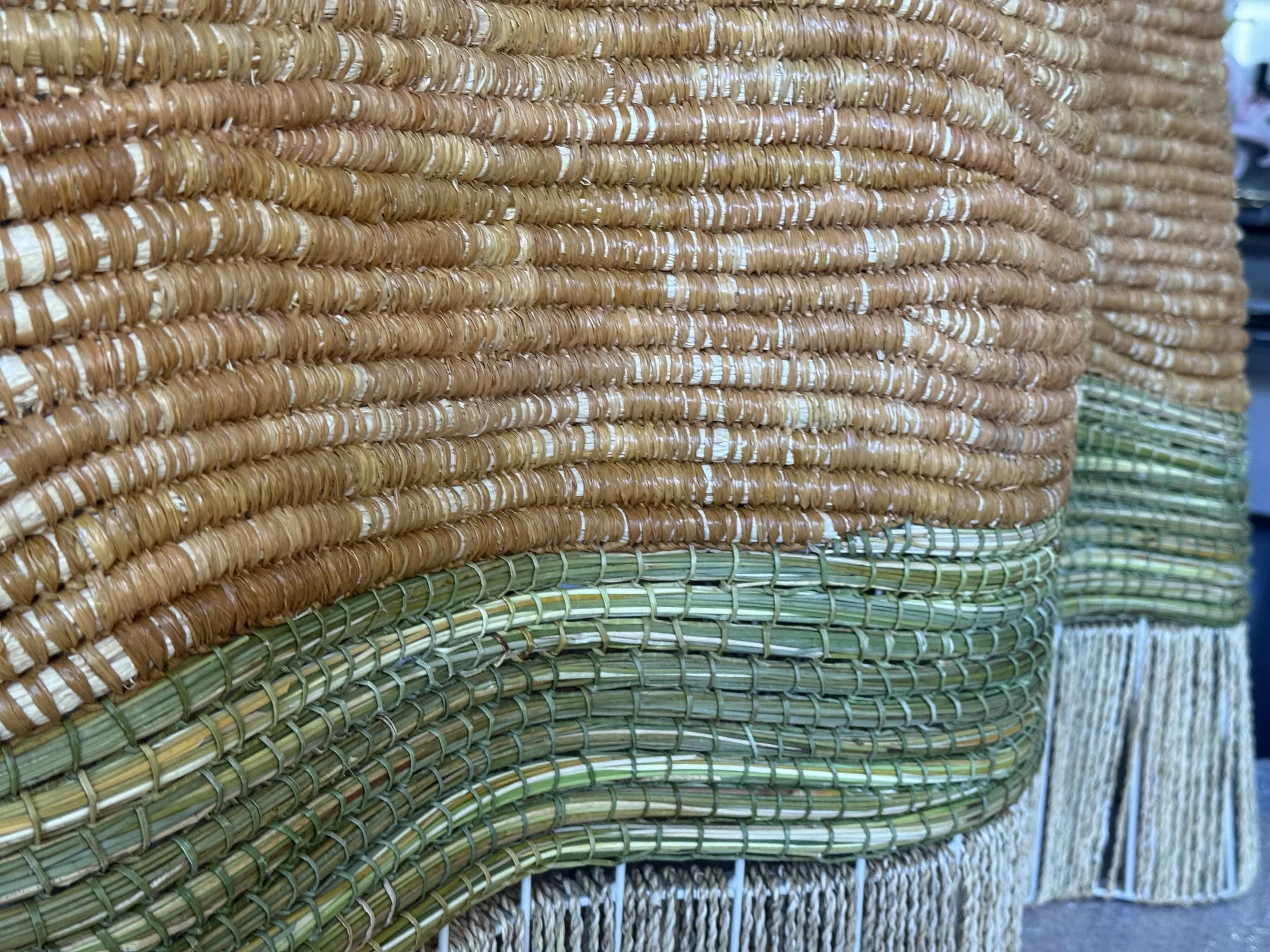
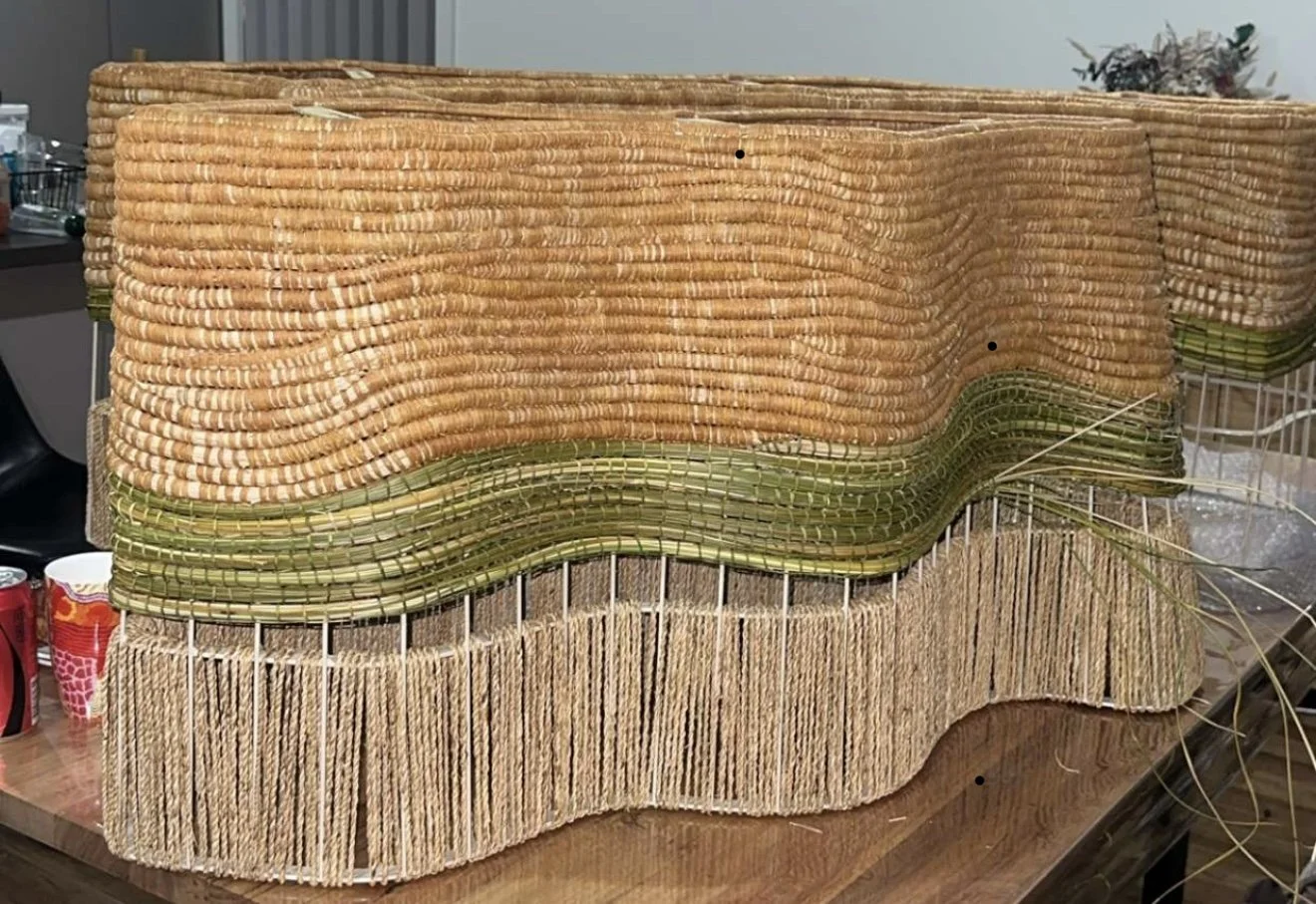
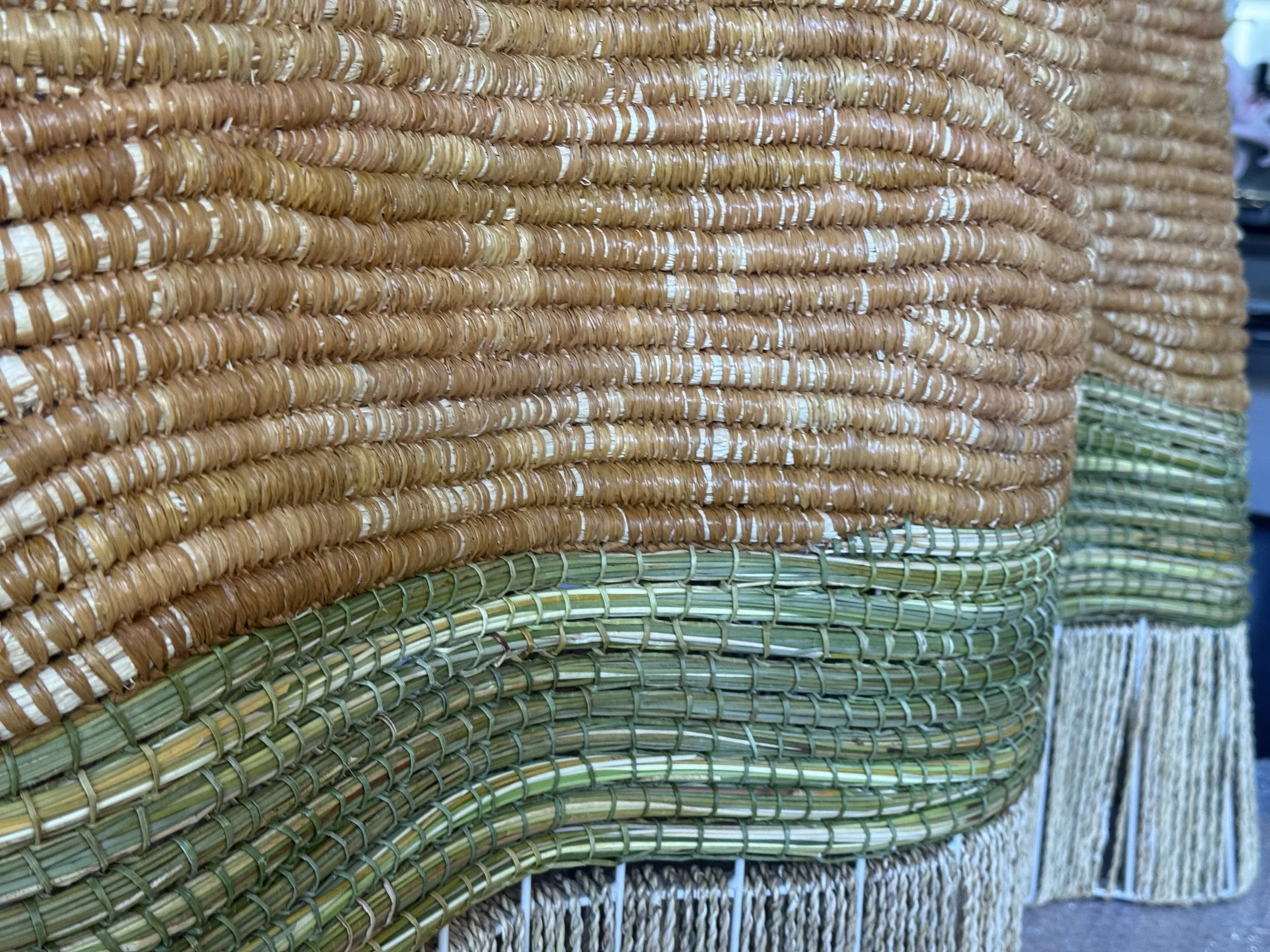
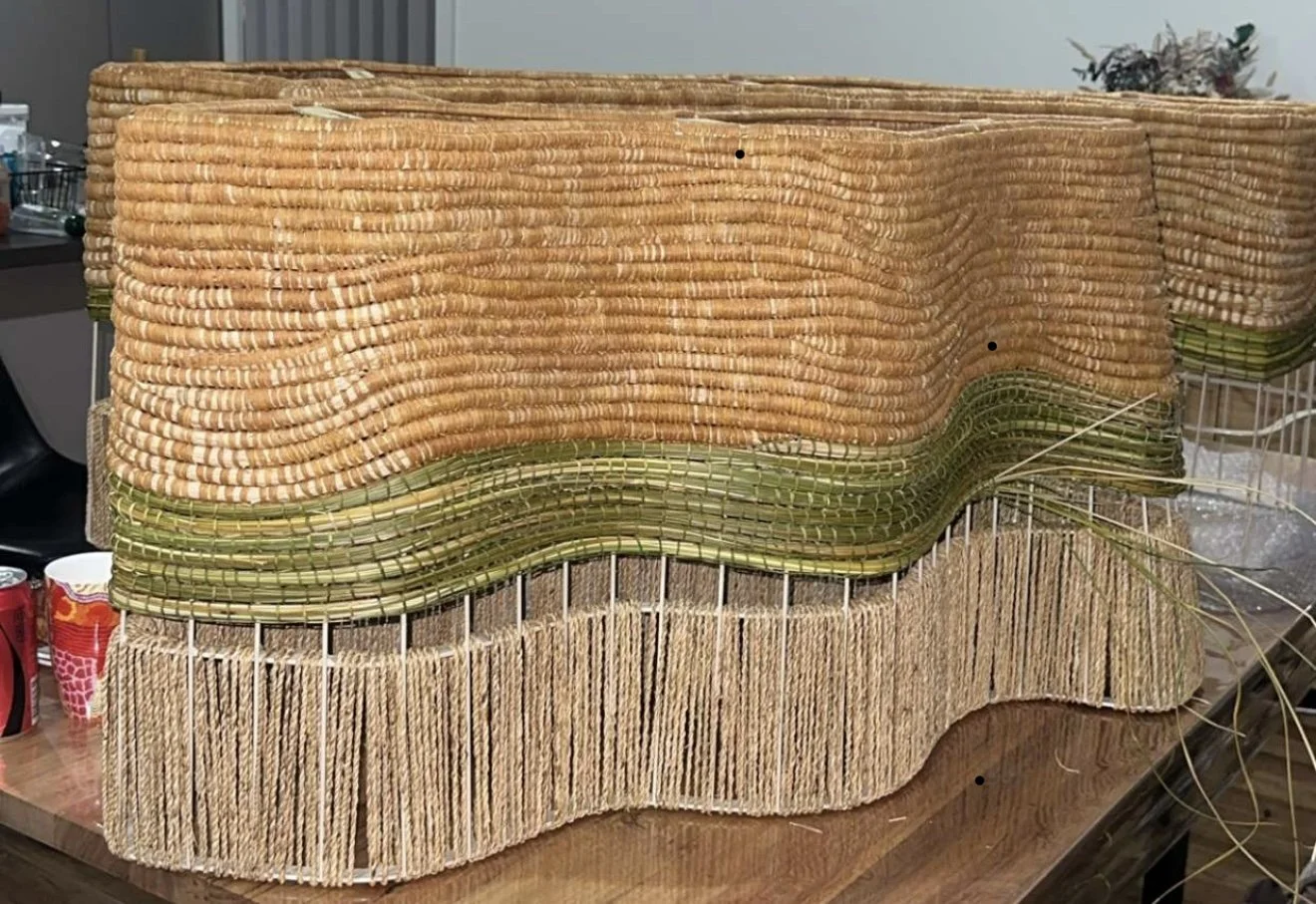
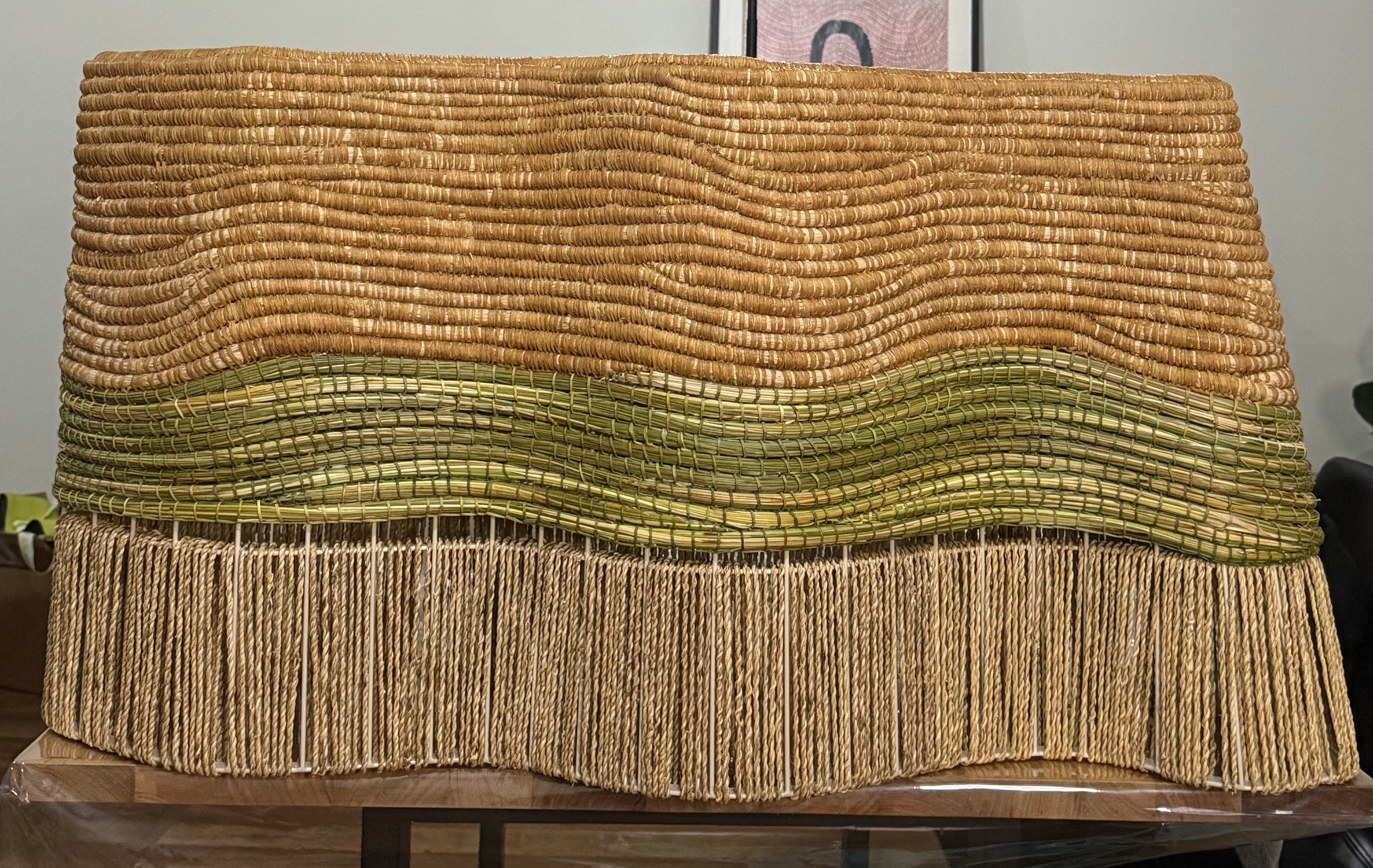
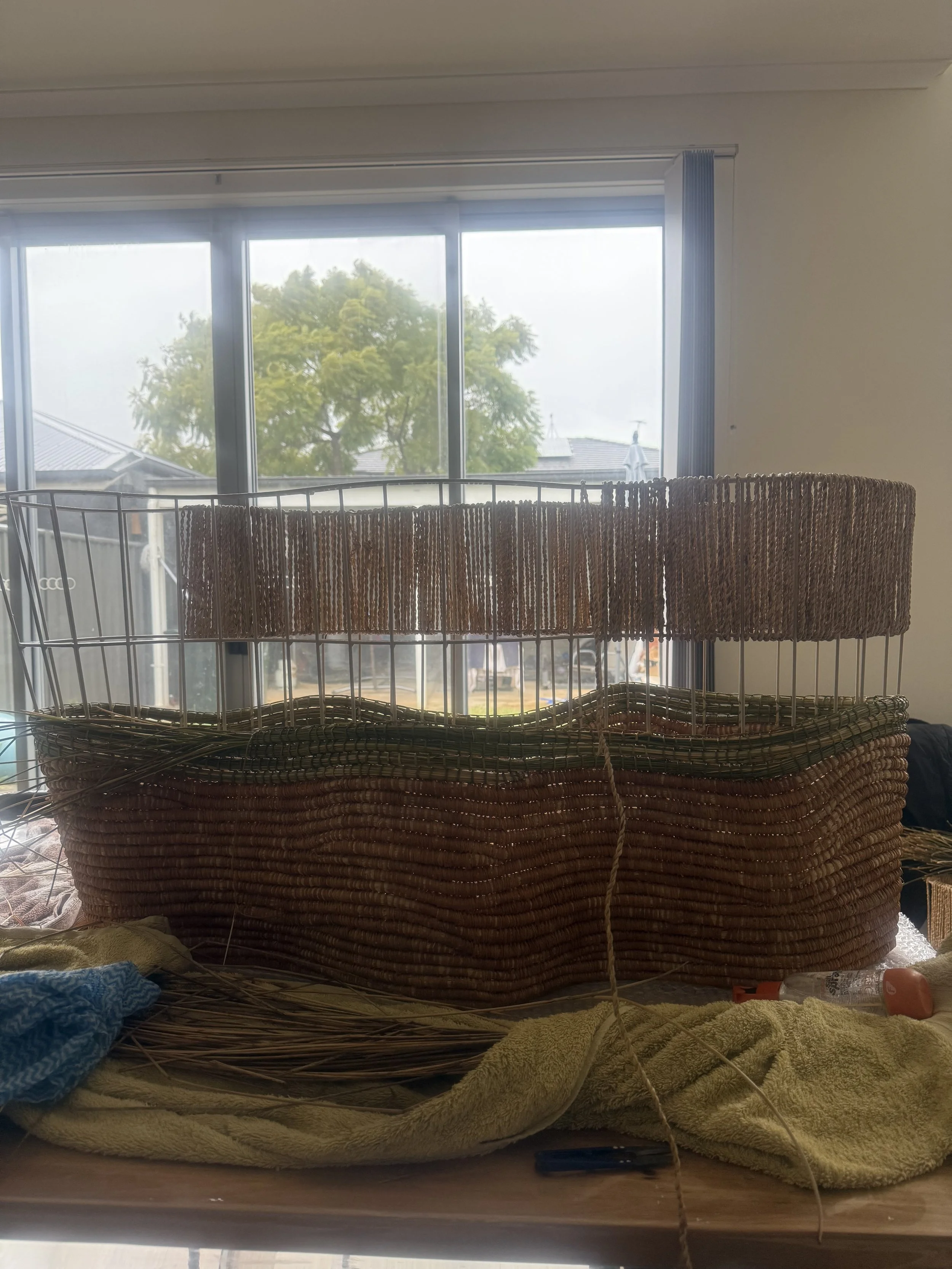
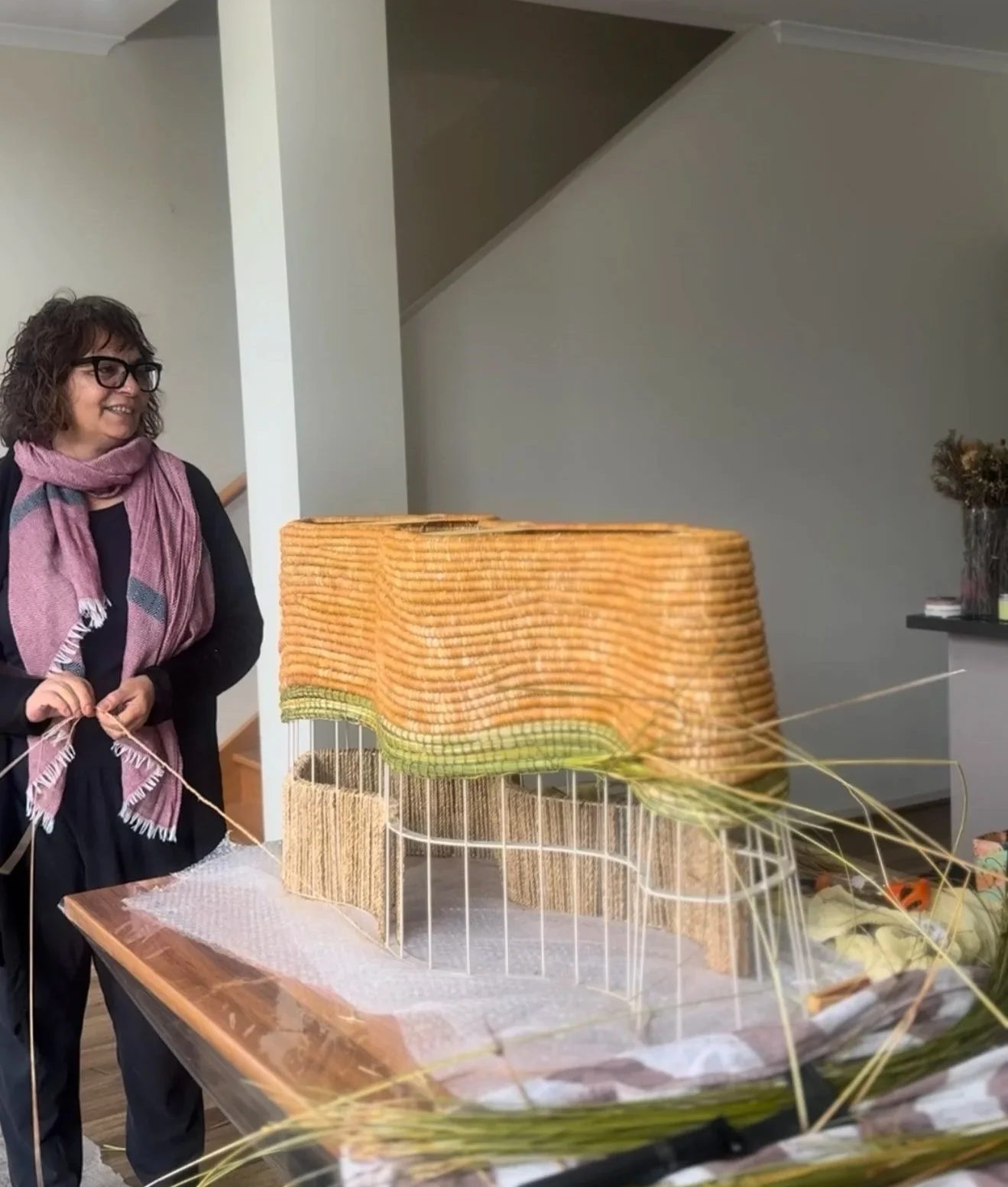
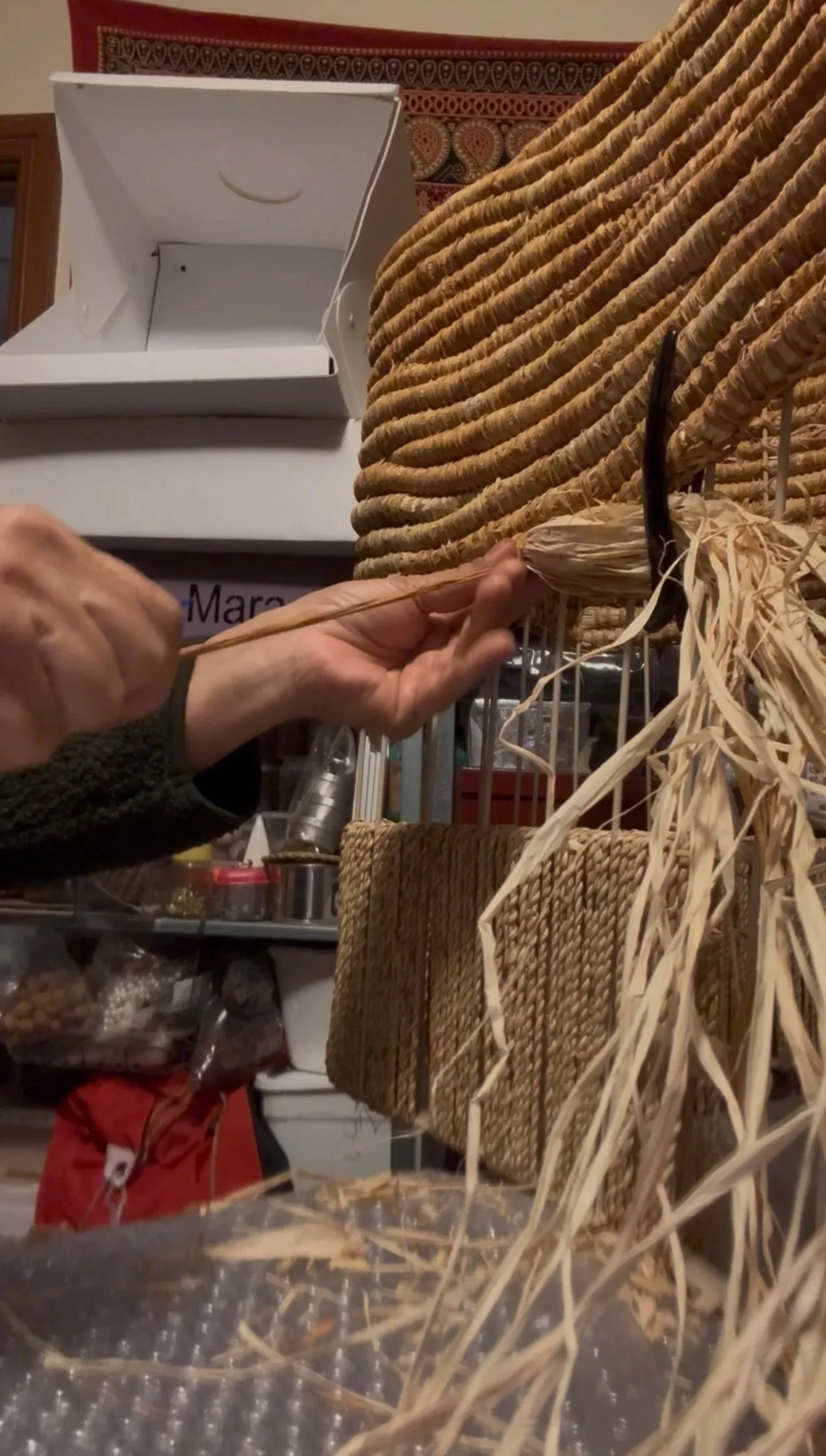
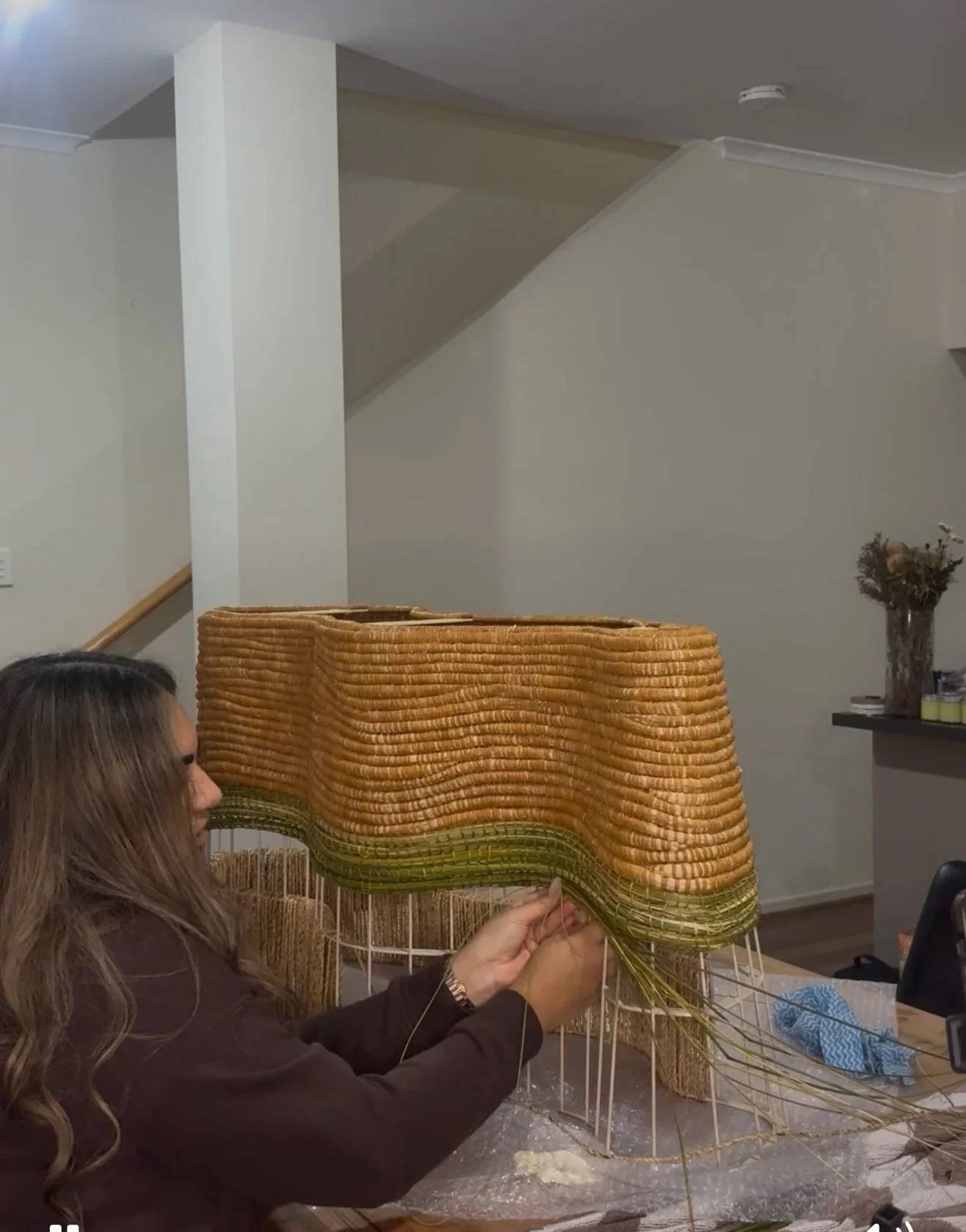
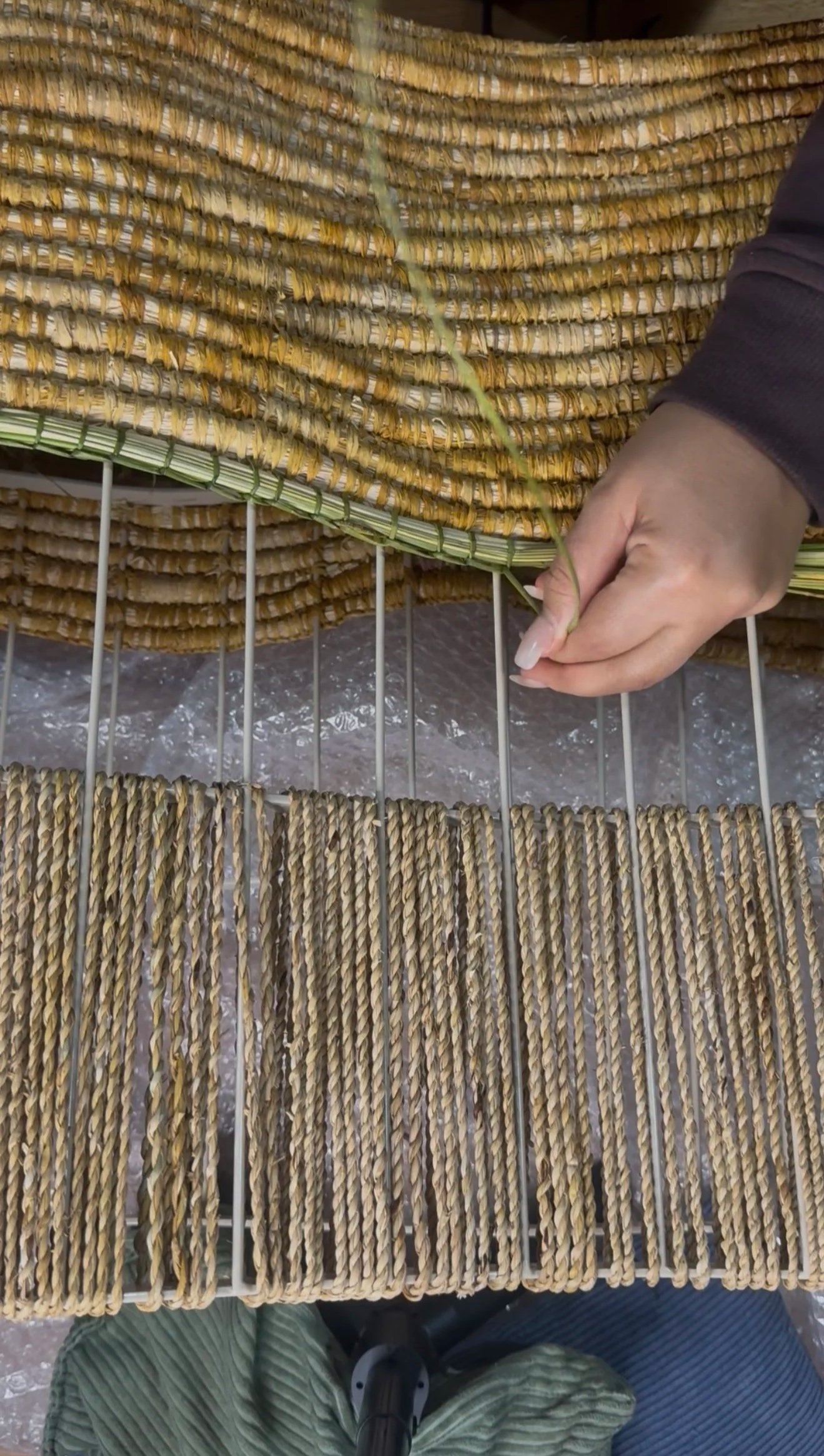
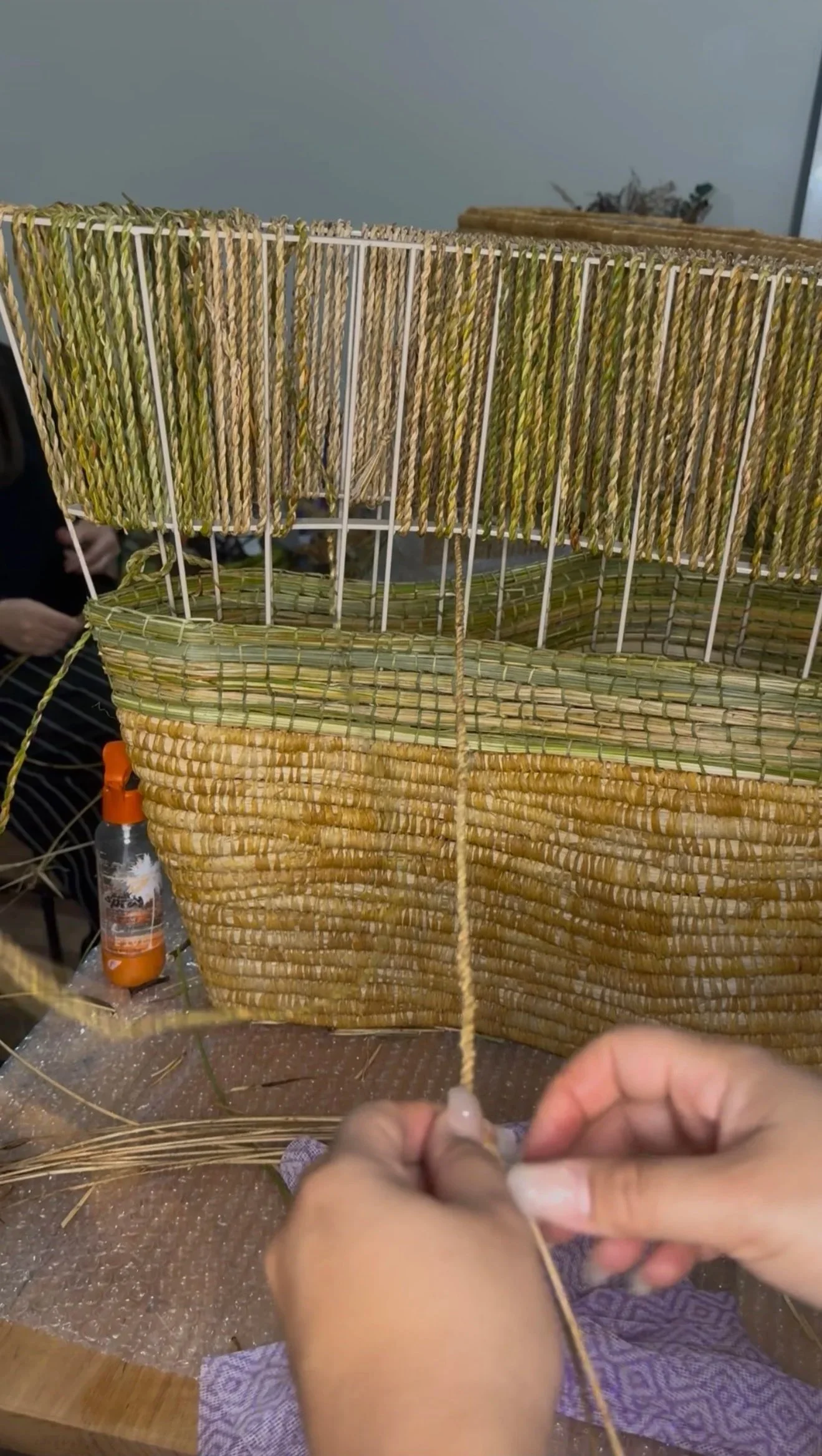
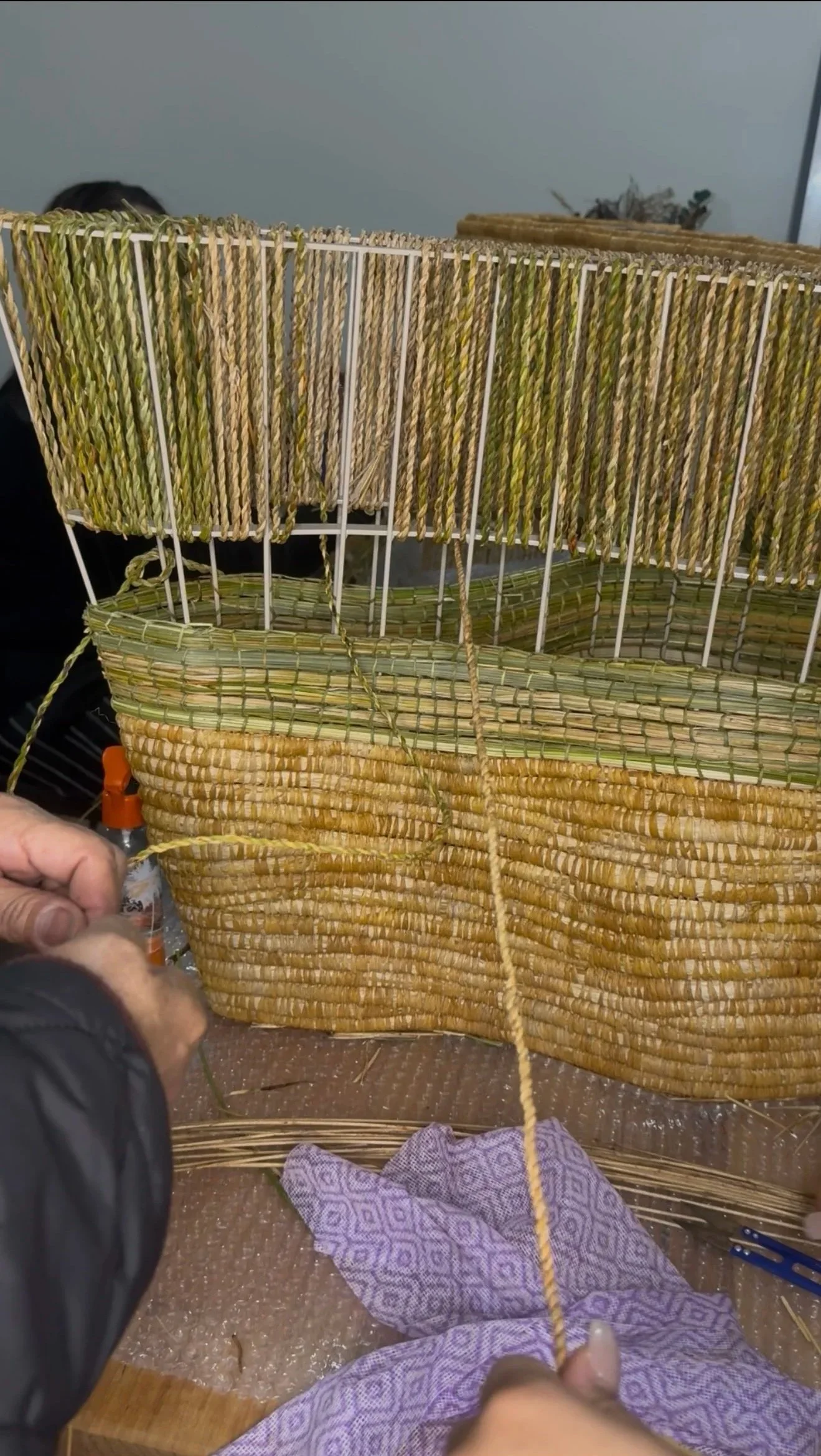
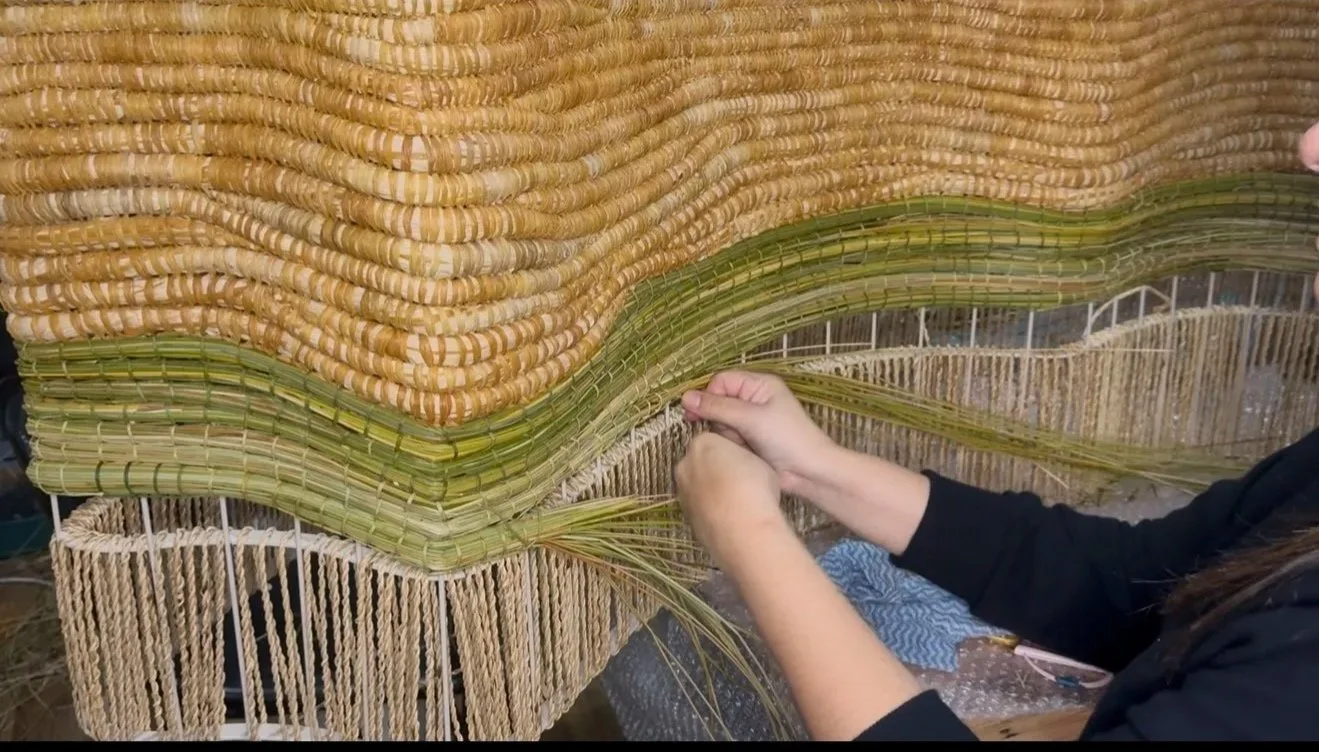
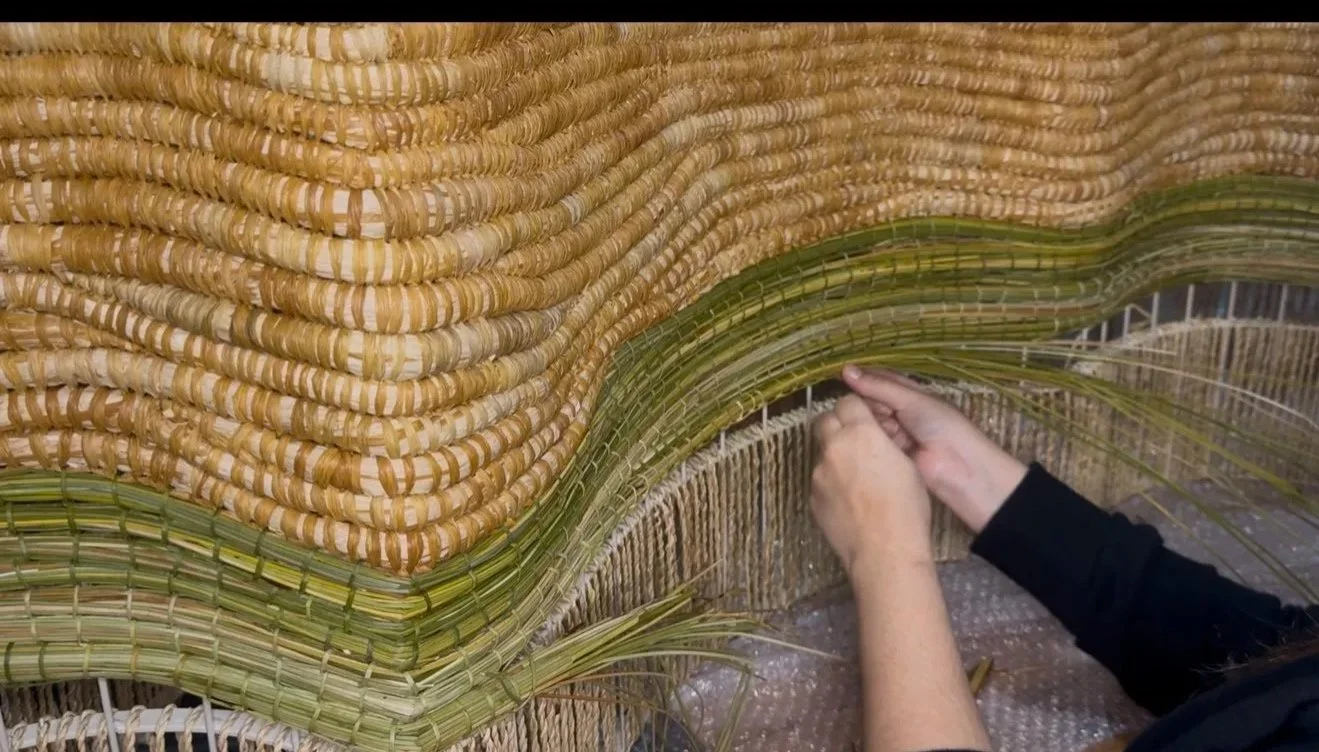
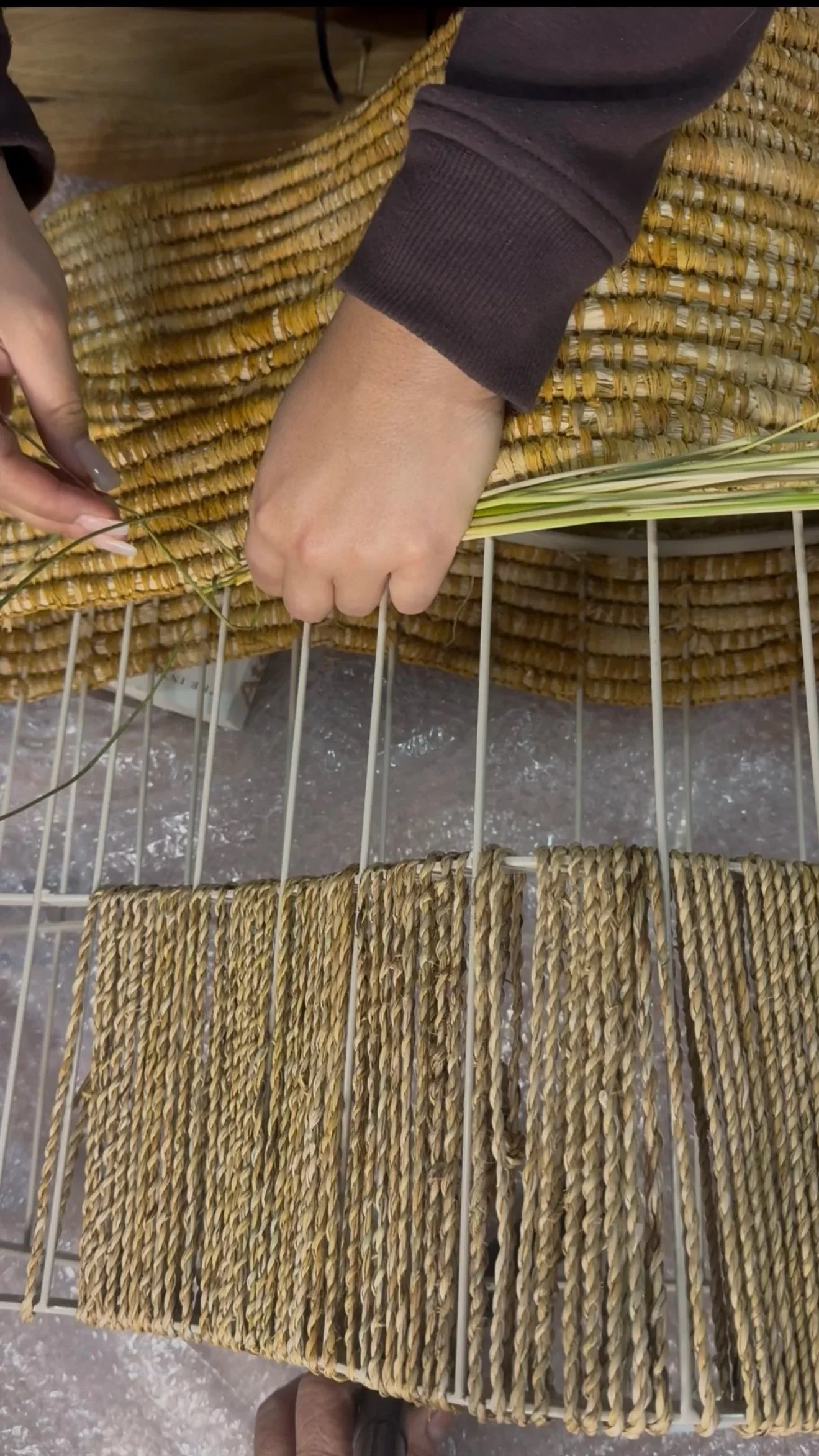
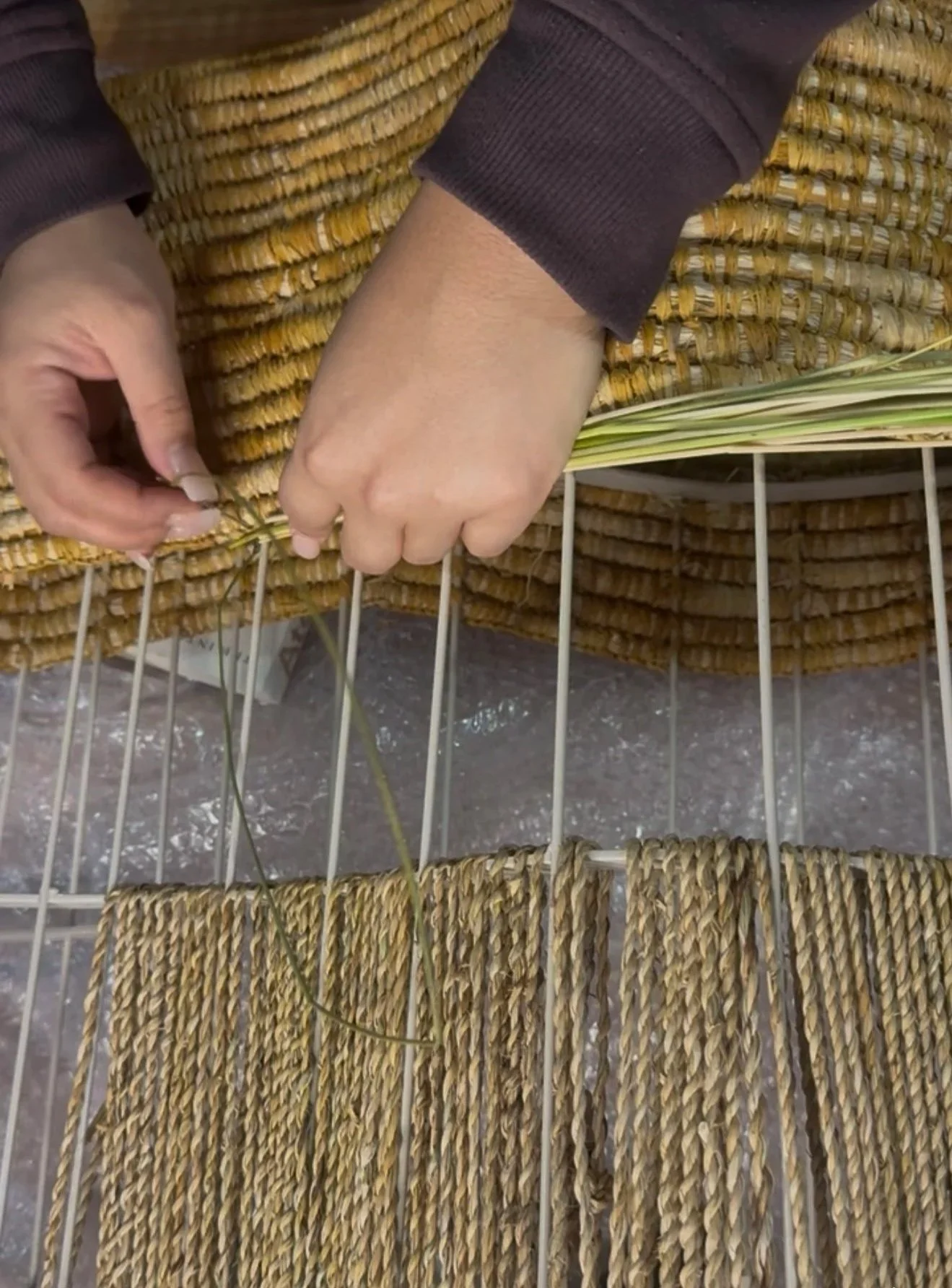
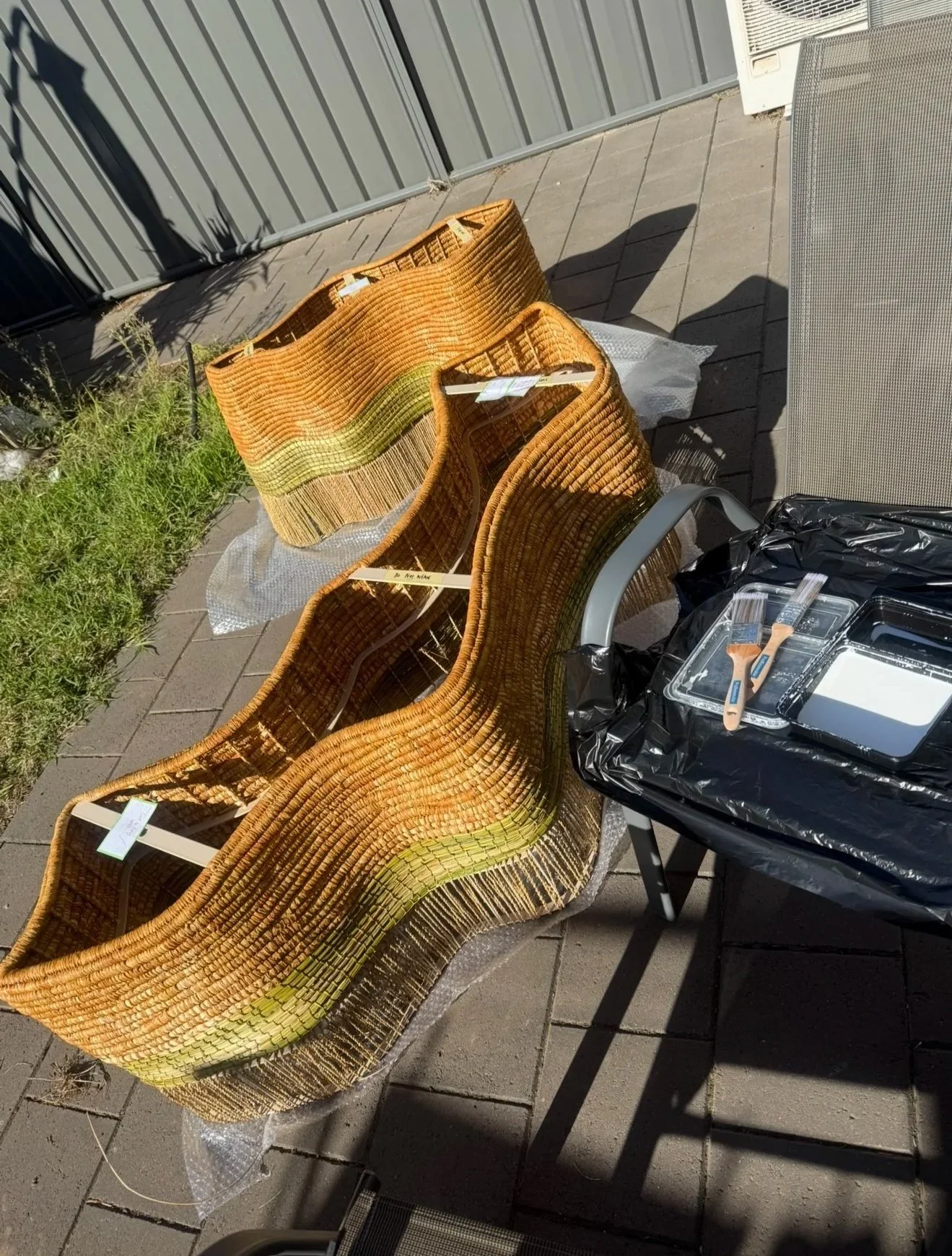
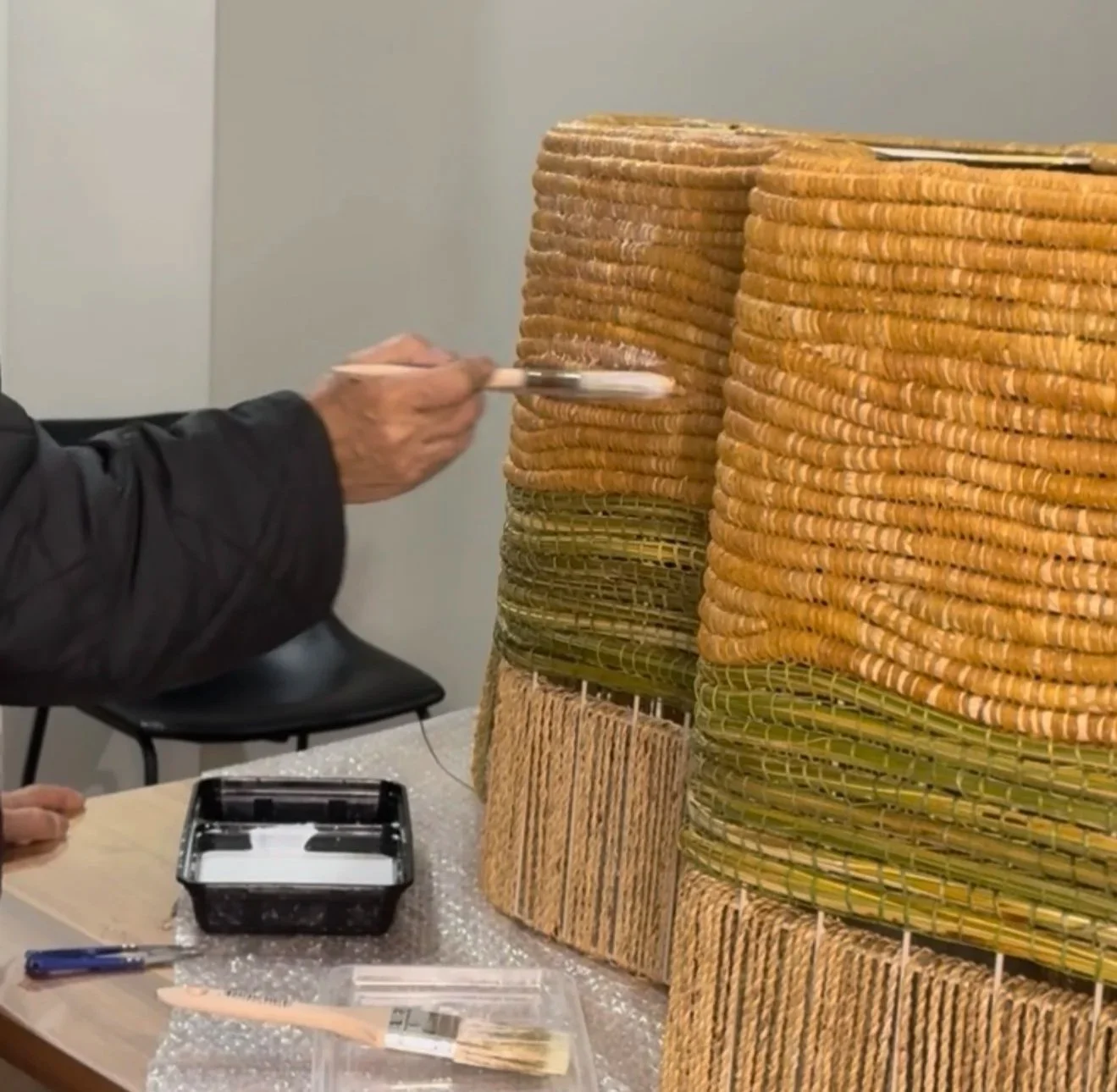
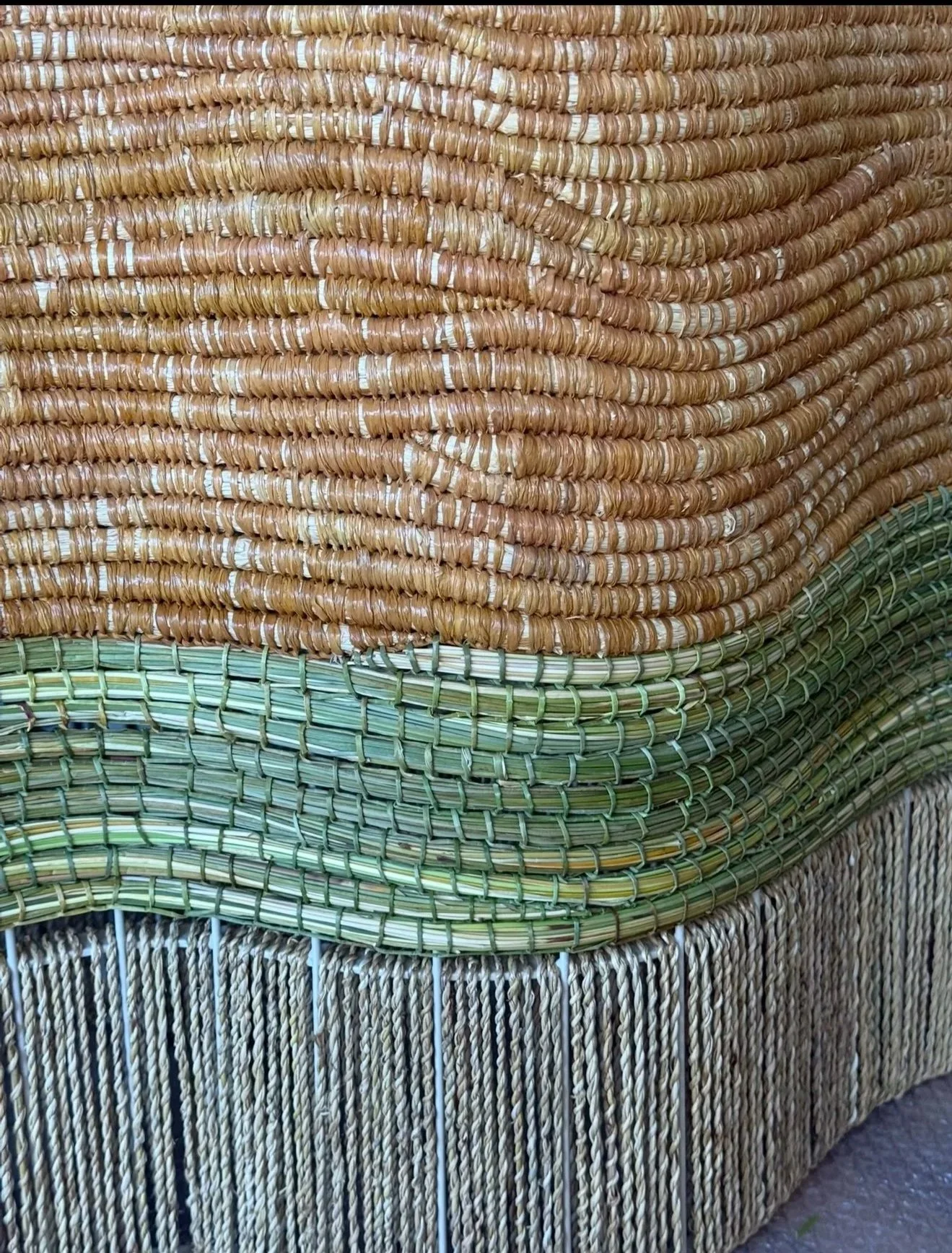
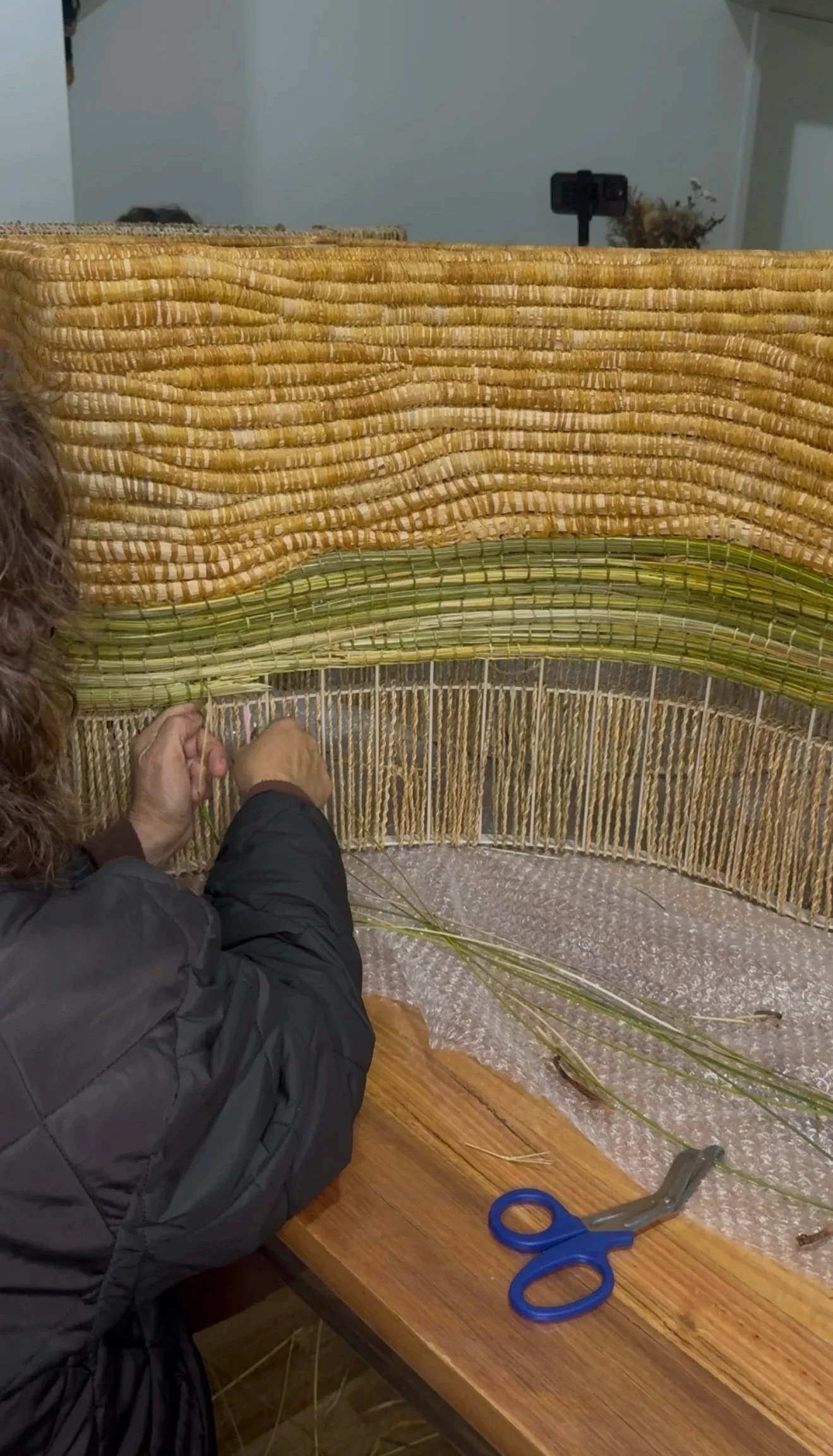
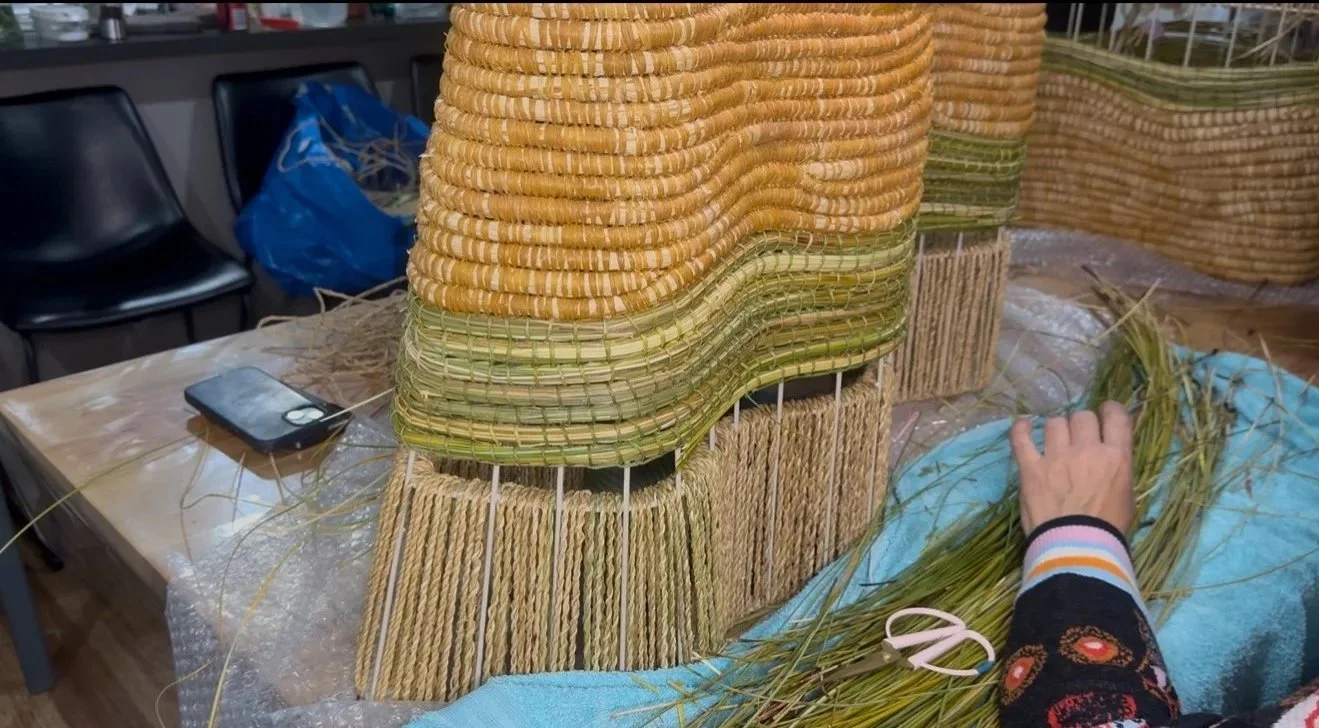
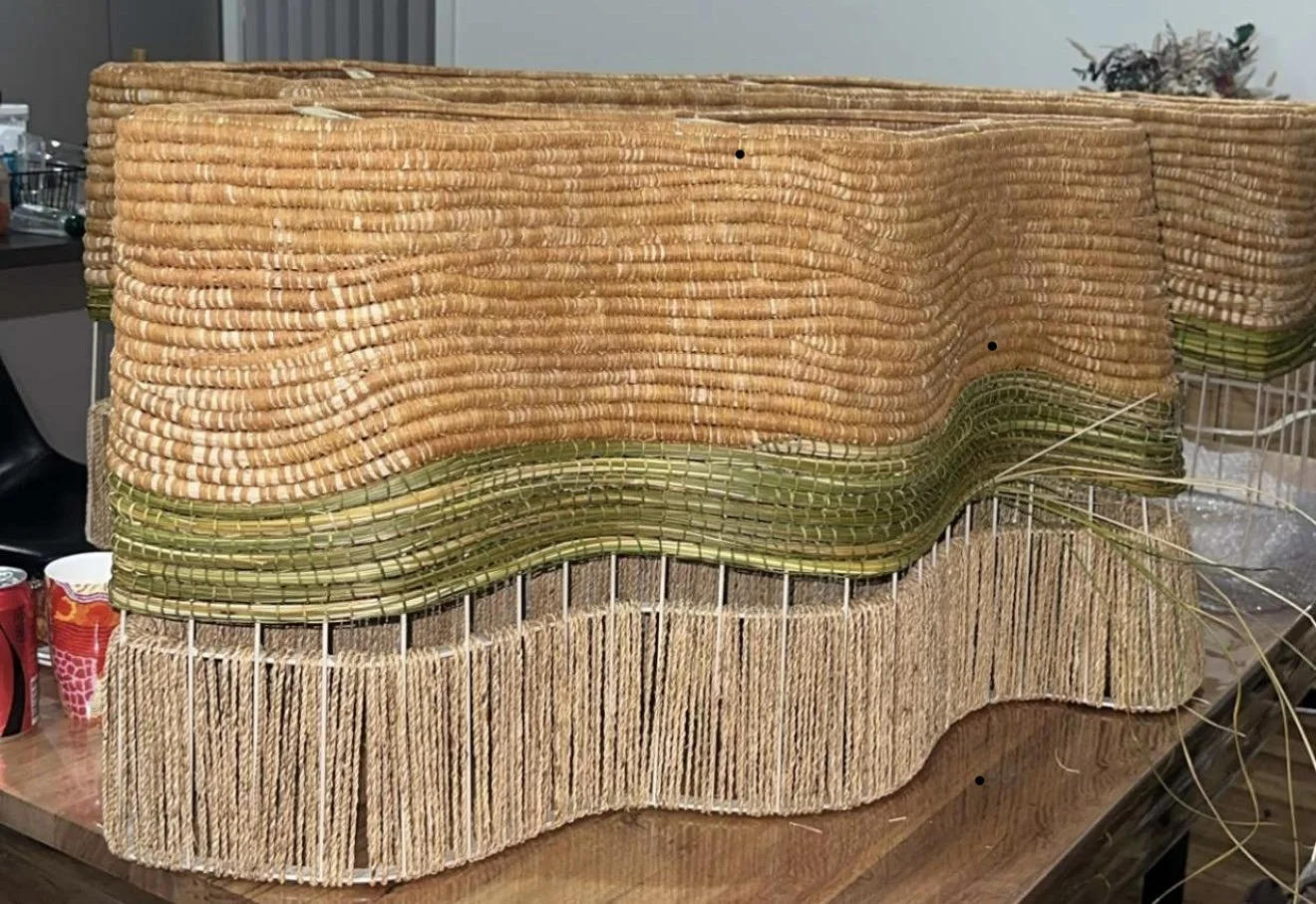
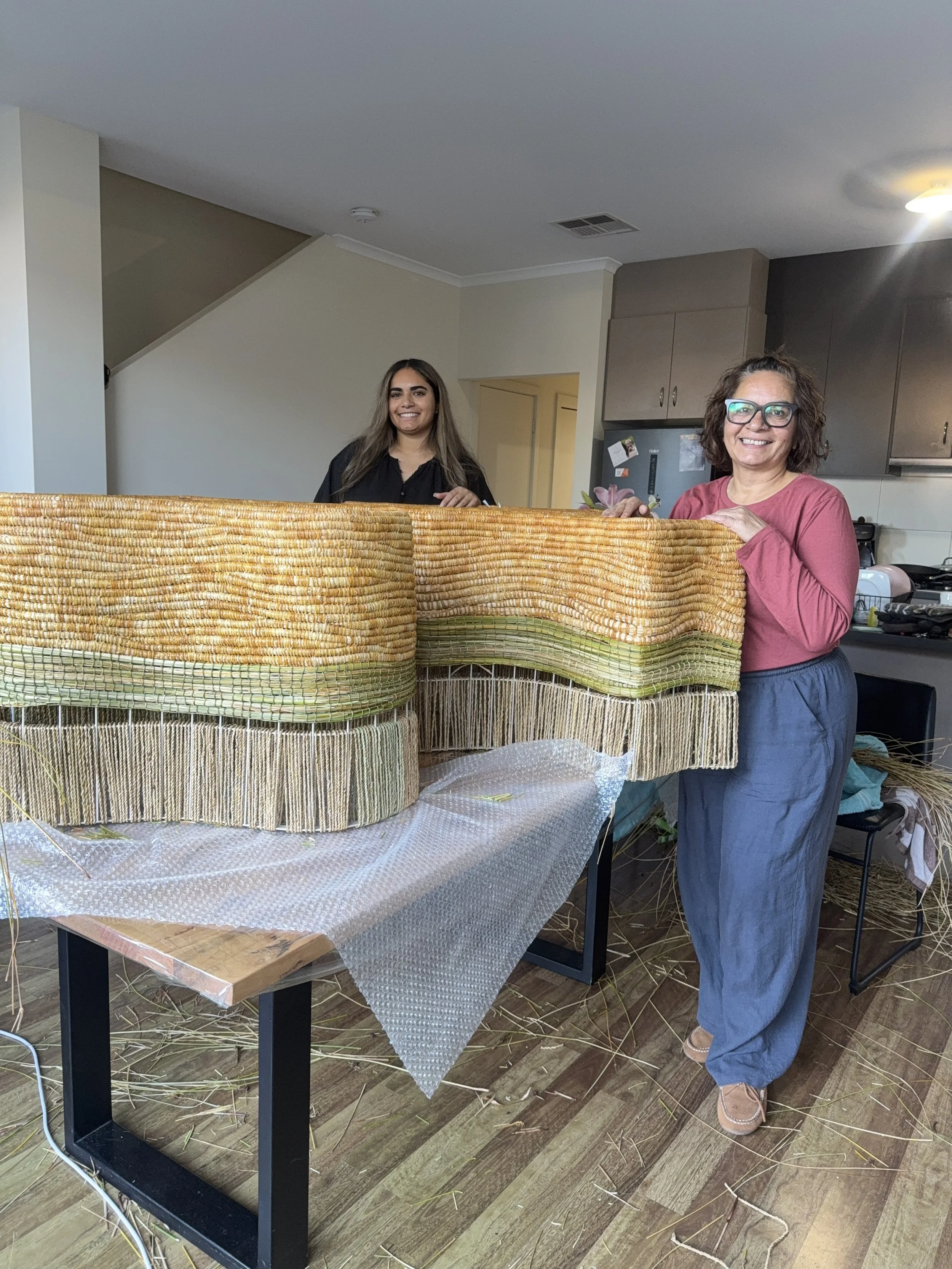
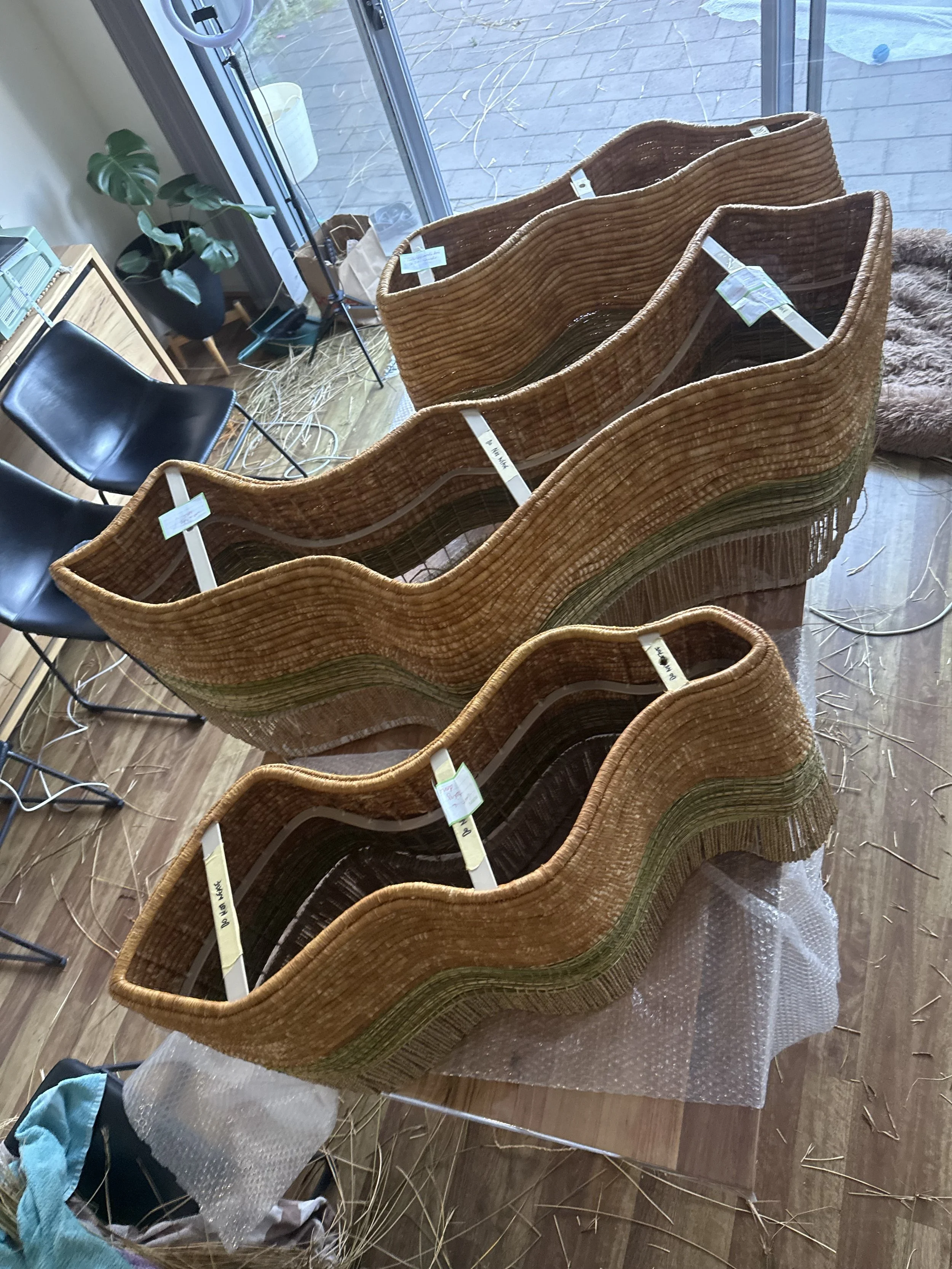
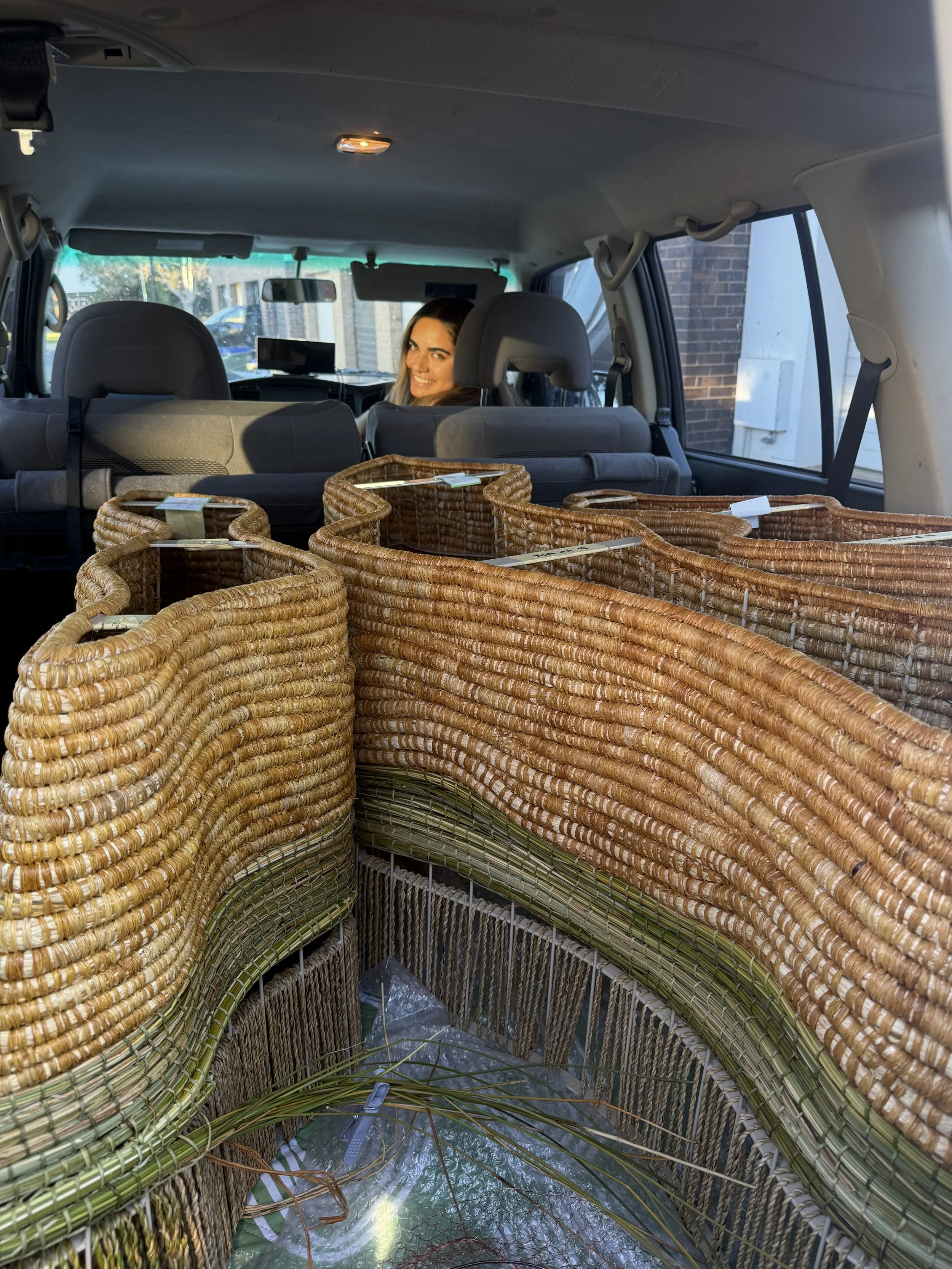
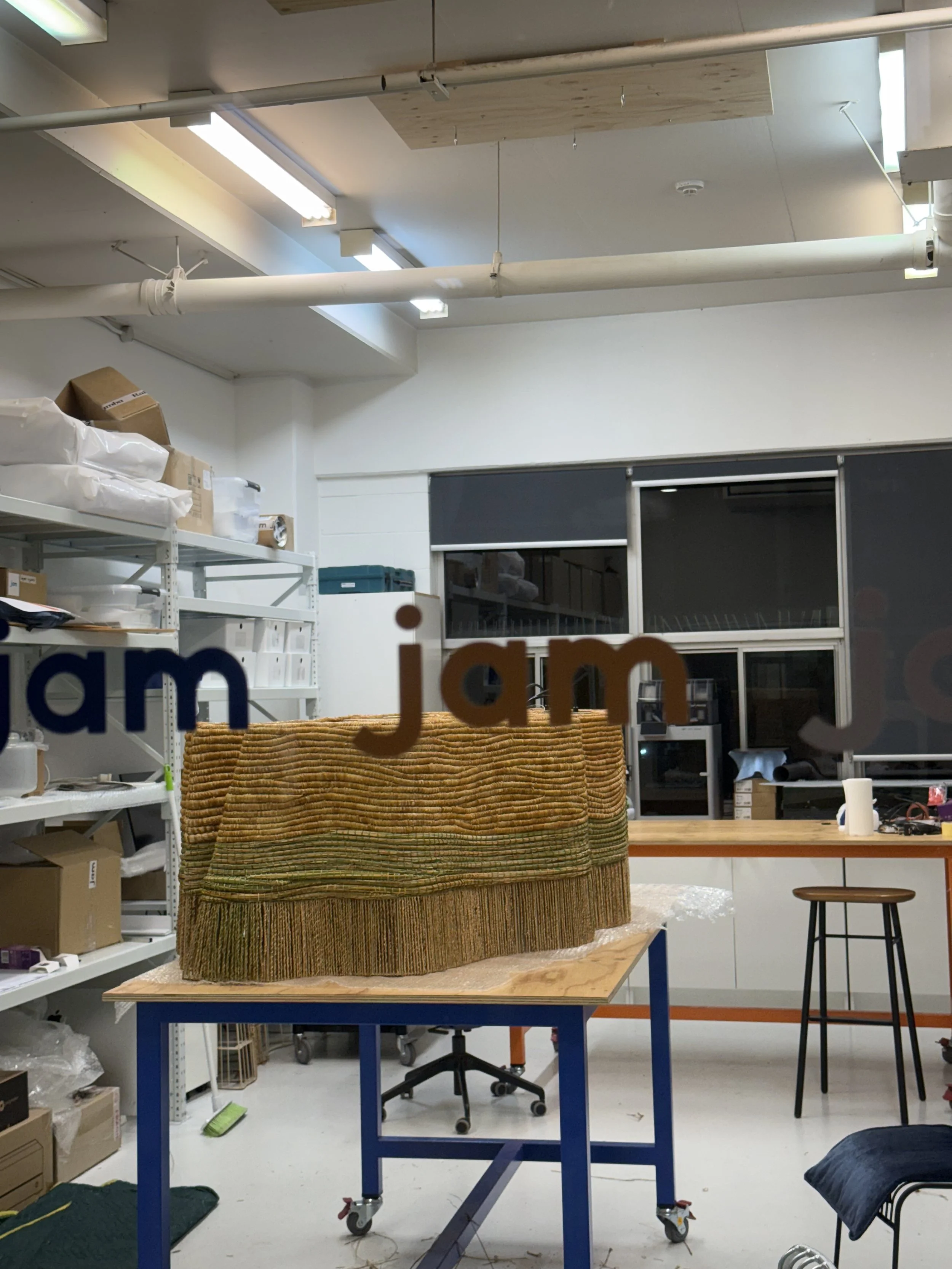
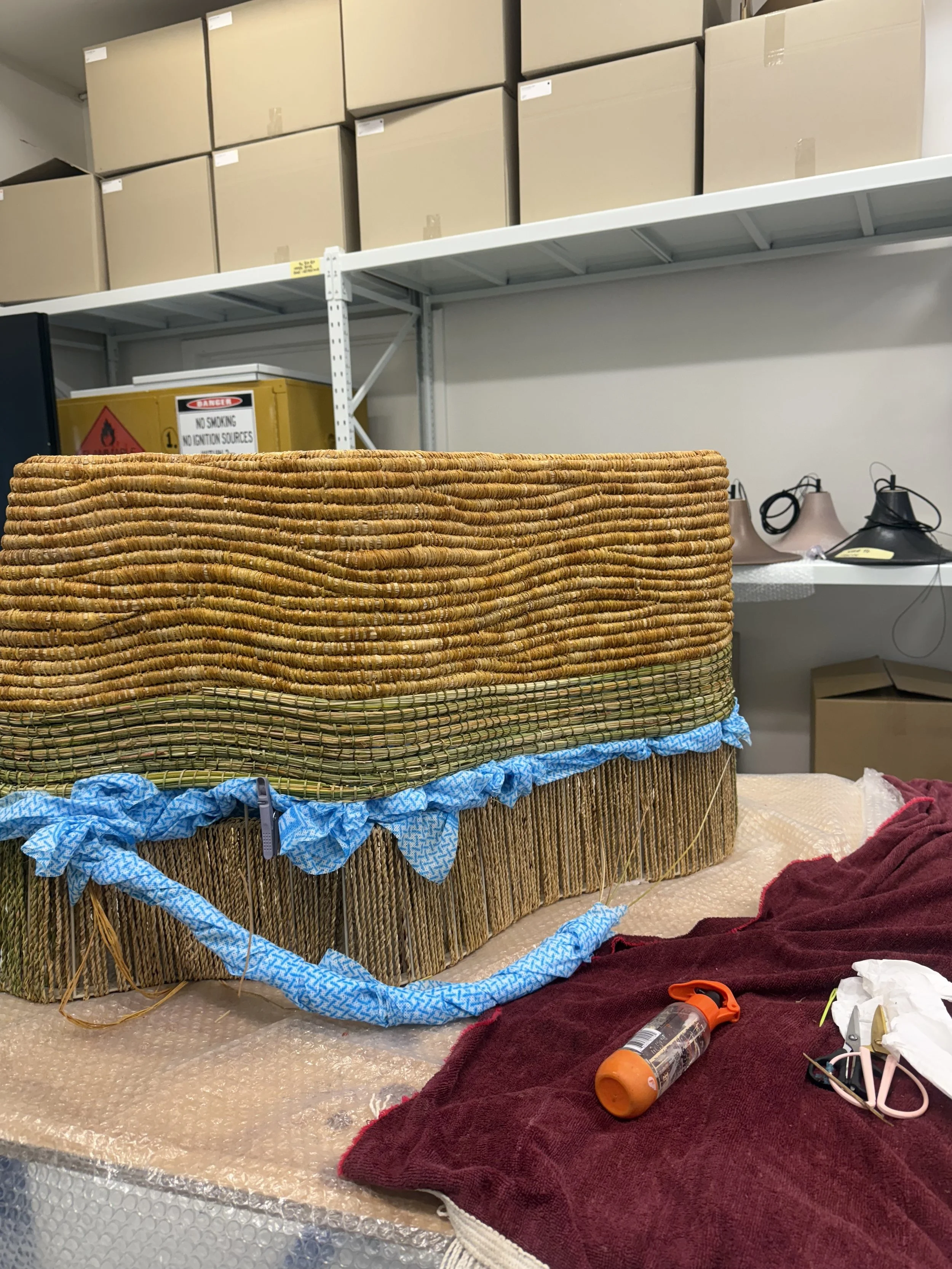
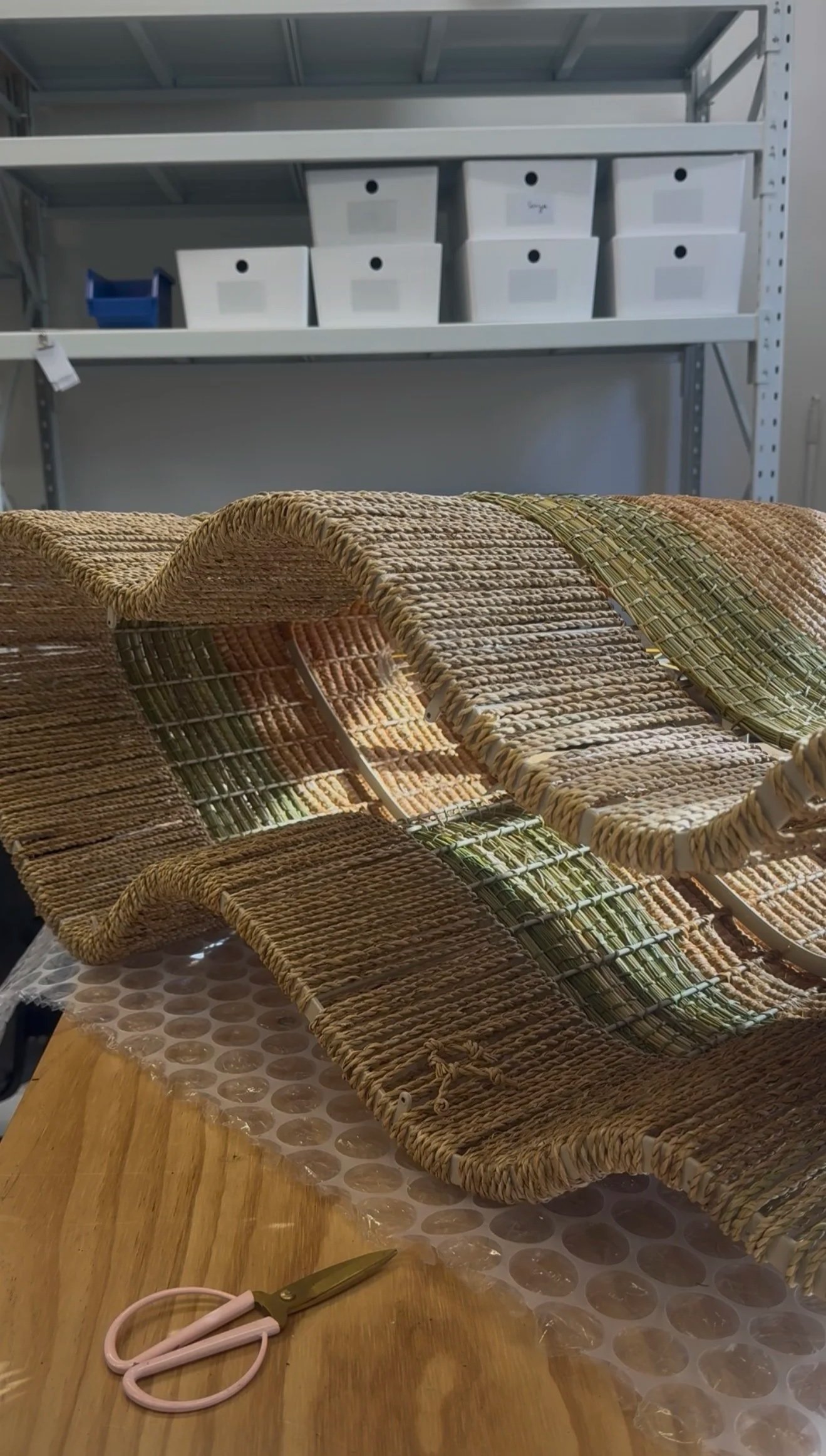
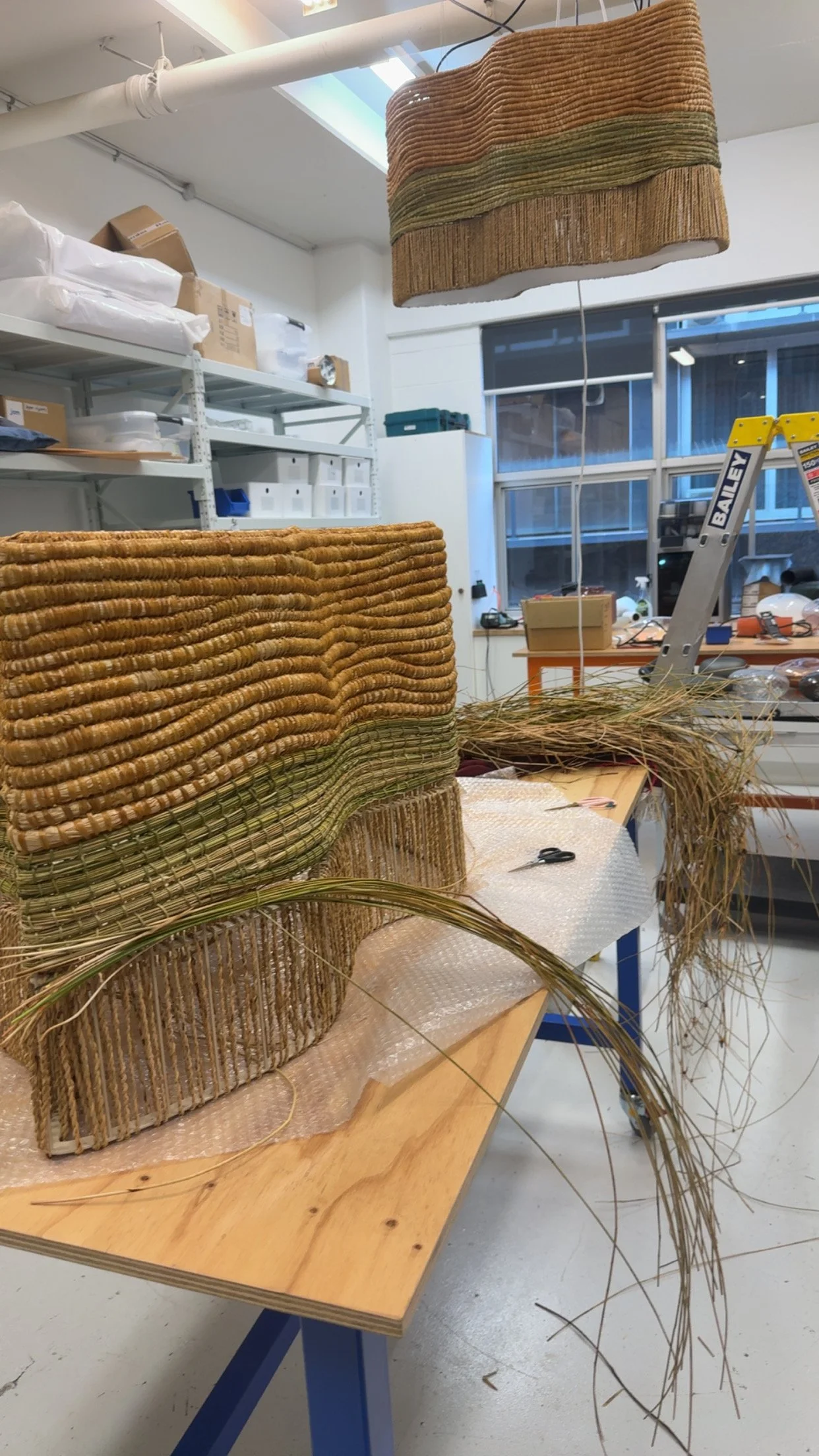
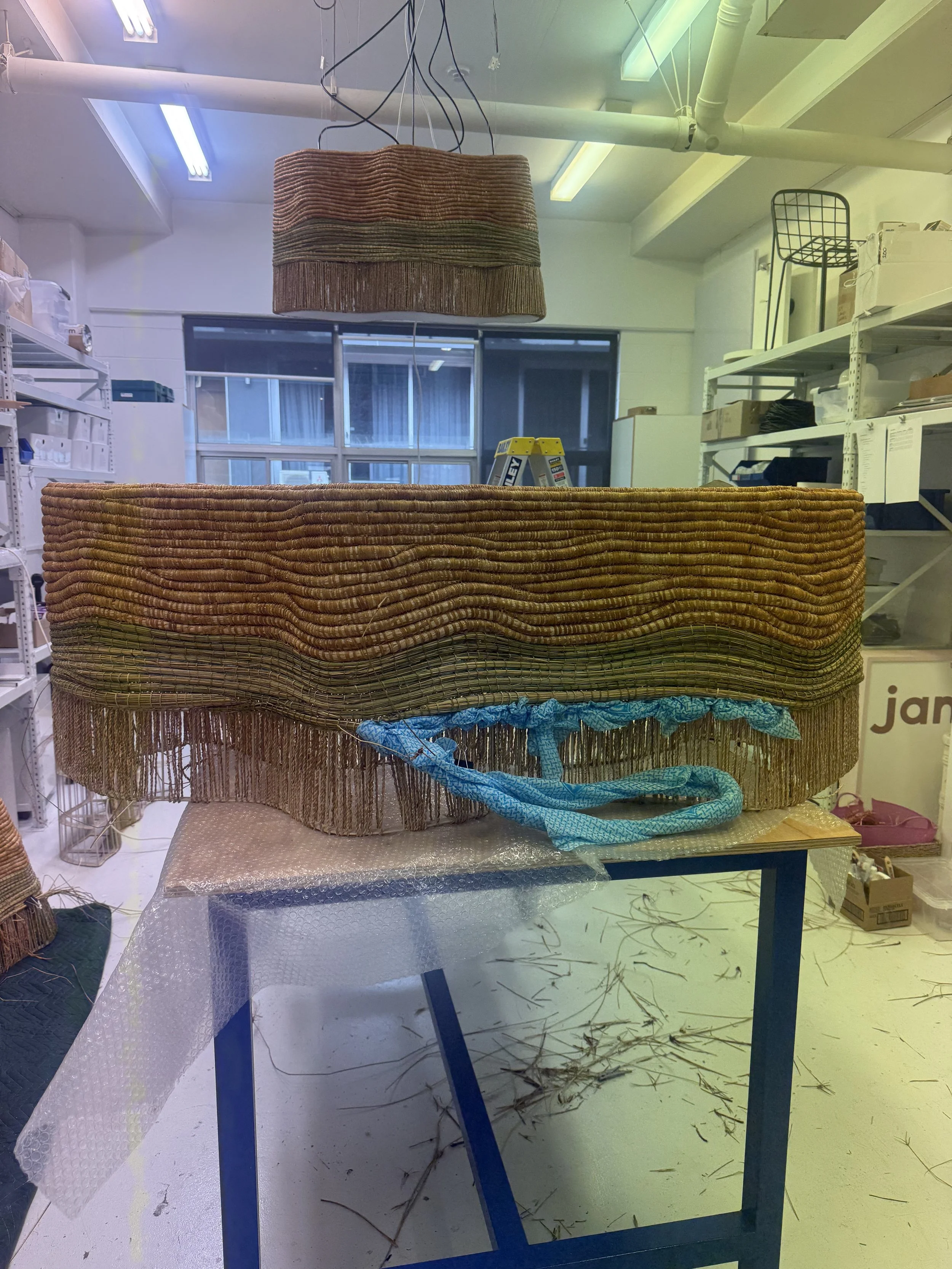
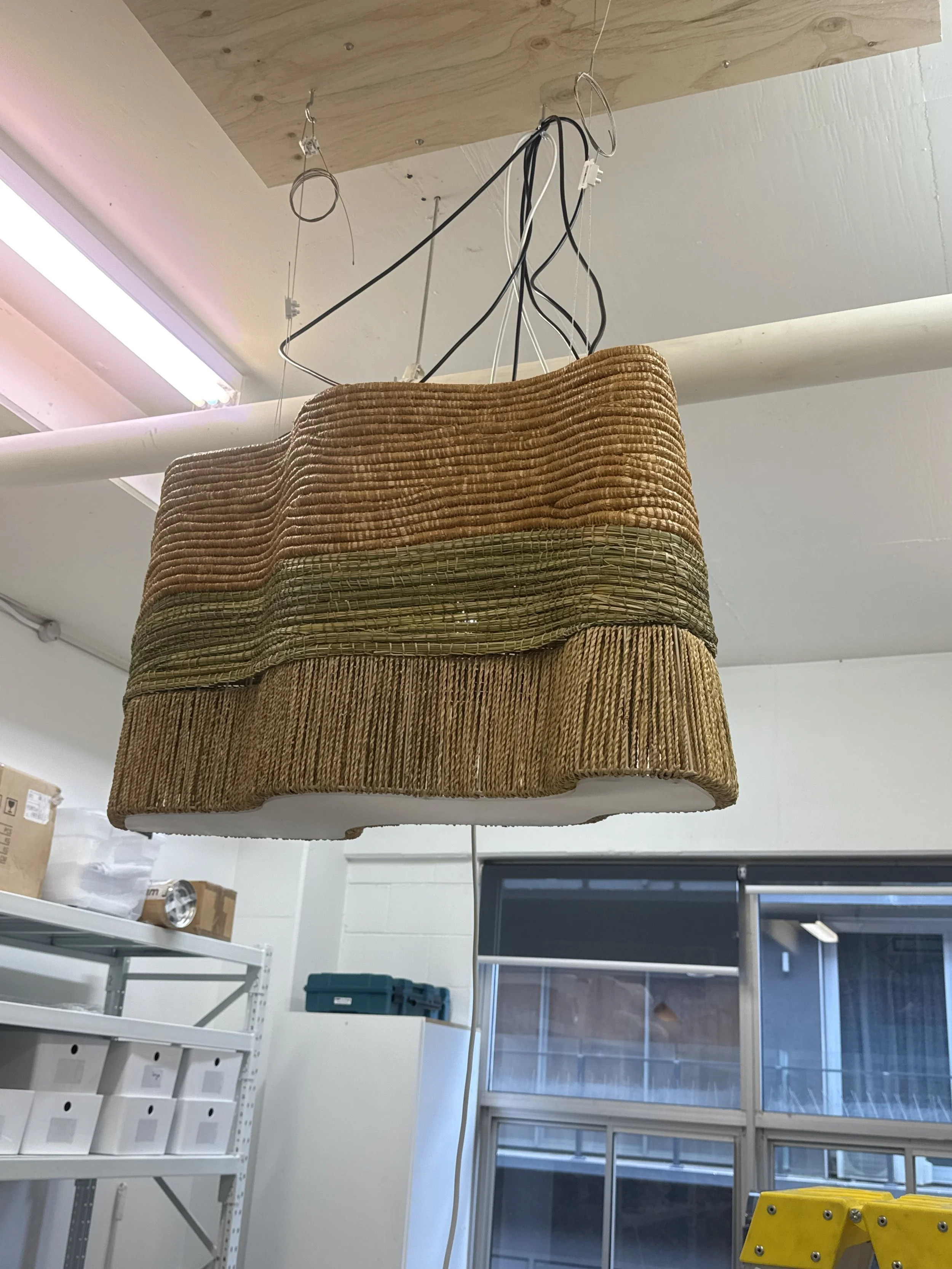
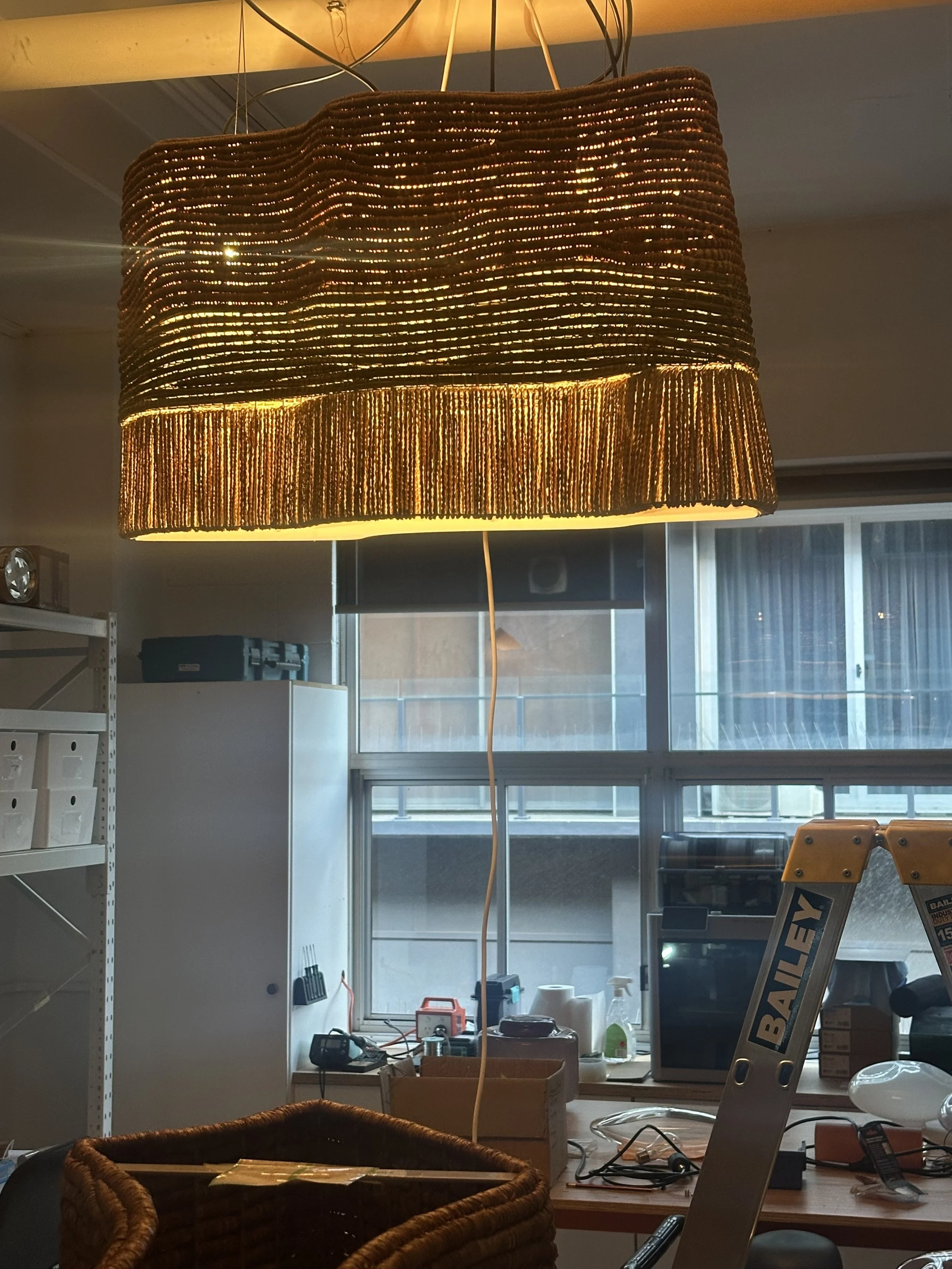
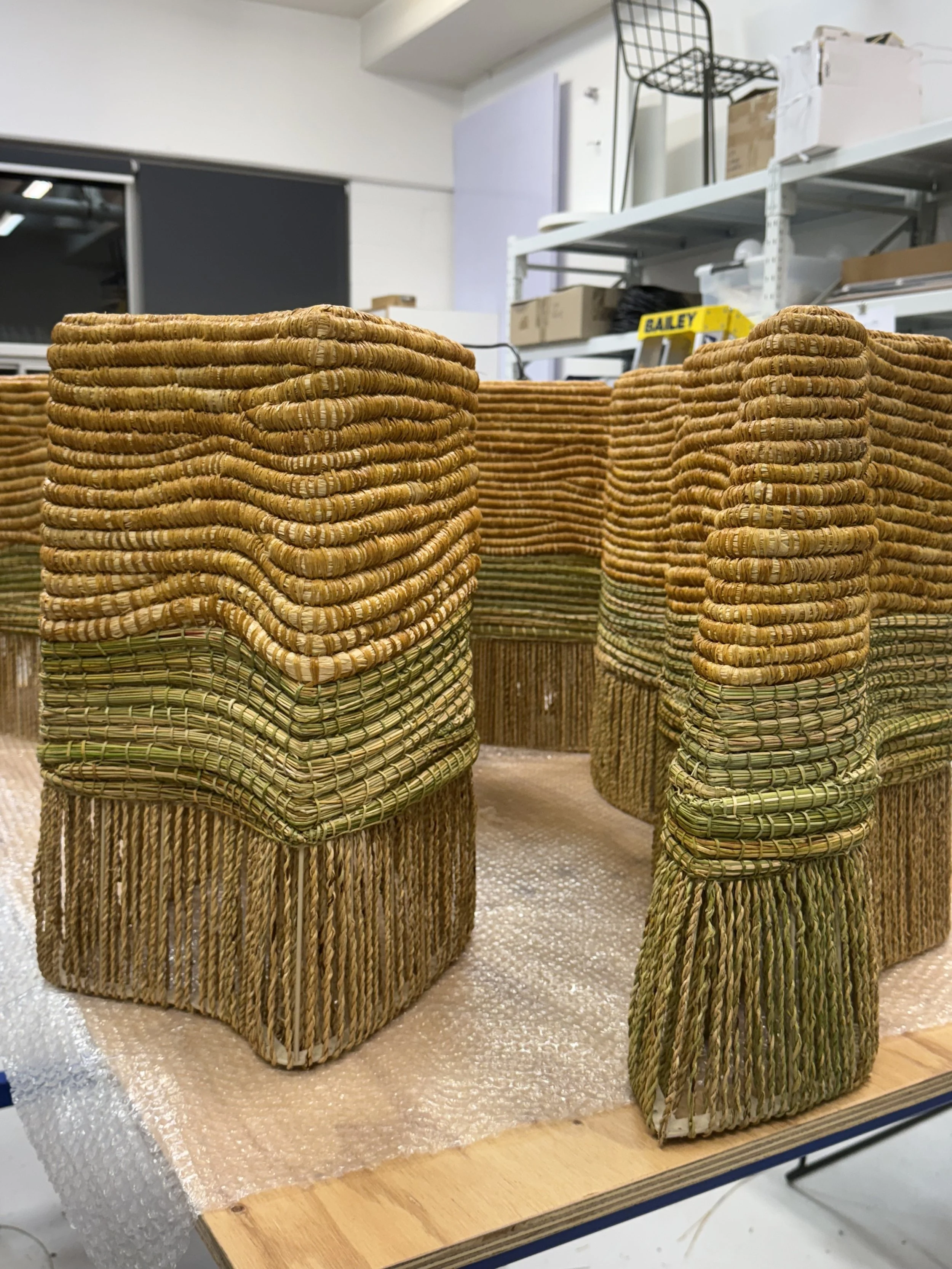
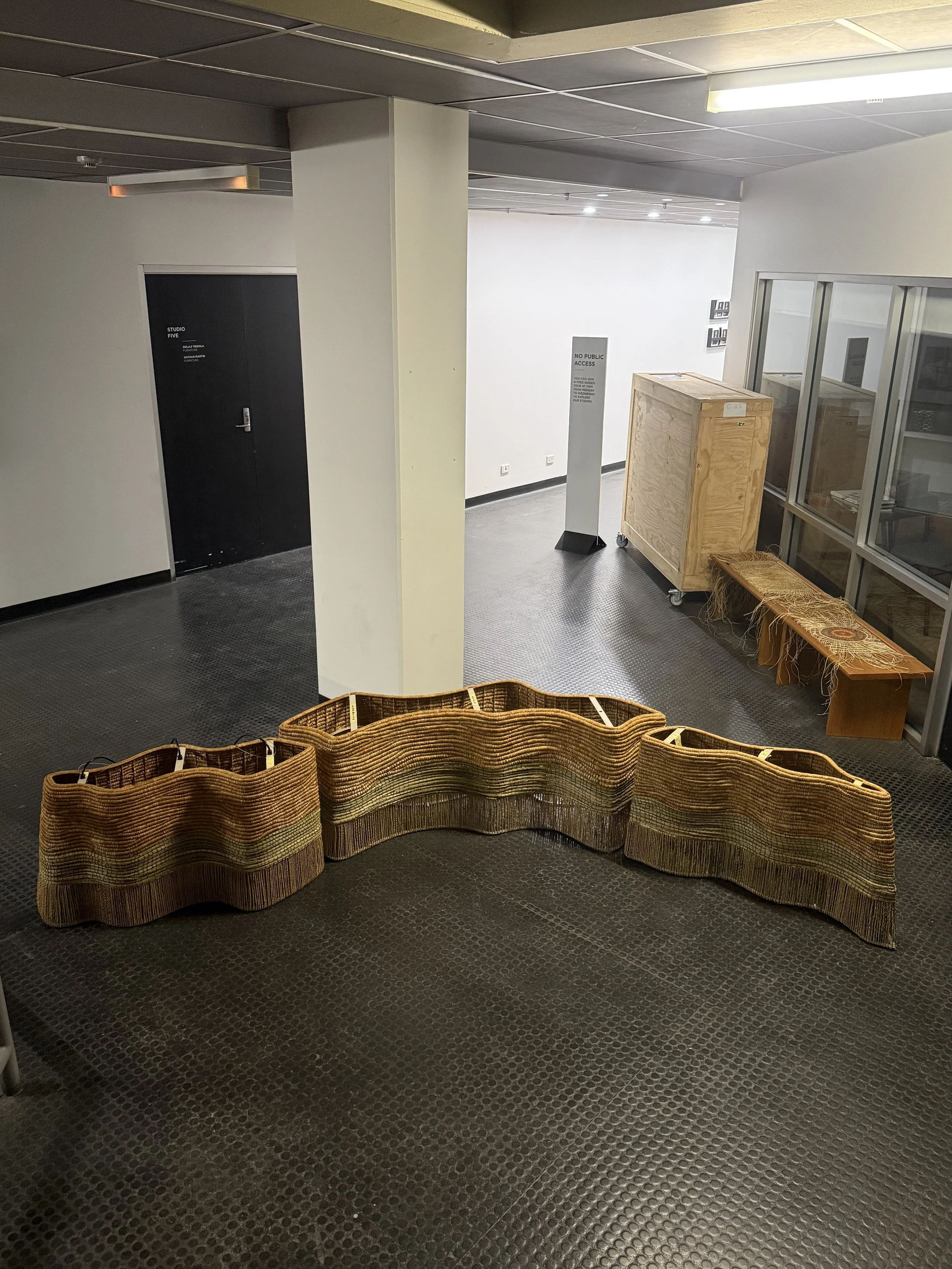
Long days, late nights and countless hours went into meeting the deadline, with the Lakun Mara family dream team pulling together right to the end. The three frames made the journey from Narungga Country, Moonta Bay to Kaurna Country, Adelaide to be worked on as a family at my daughter Carron’s, arriving at JamFactory for last minute tweaks and on to final delivery and installation at the Qantas Club Lounge at Adelaide Airport.
182 hours weaving
~
222 hours string making
~
8 Mara
~
20 hours gathering reeds
~
182 hours weaving ~ 222 hours string making ~ 8 Mara ~ 20 hours gathering reeds ~
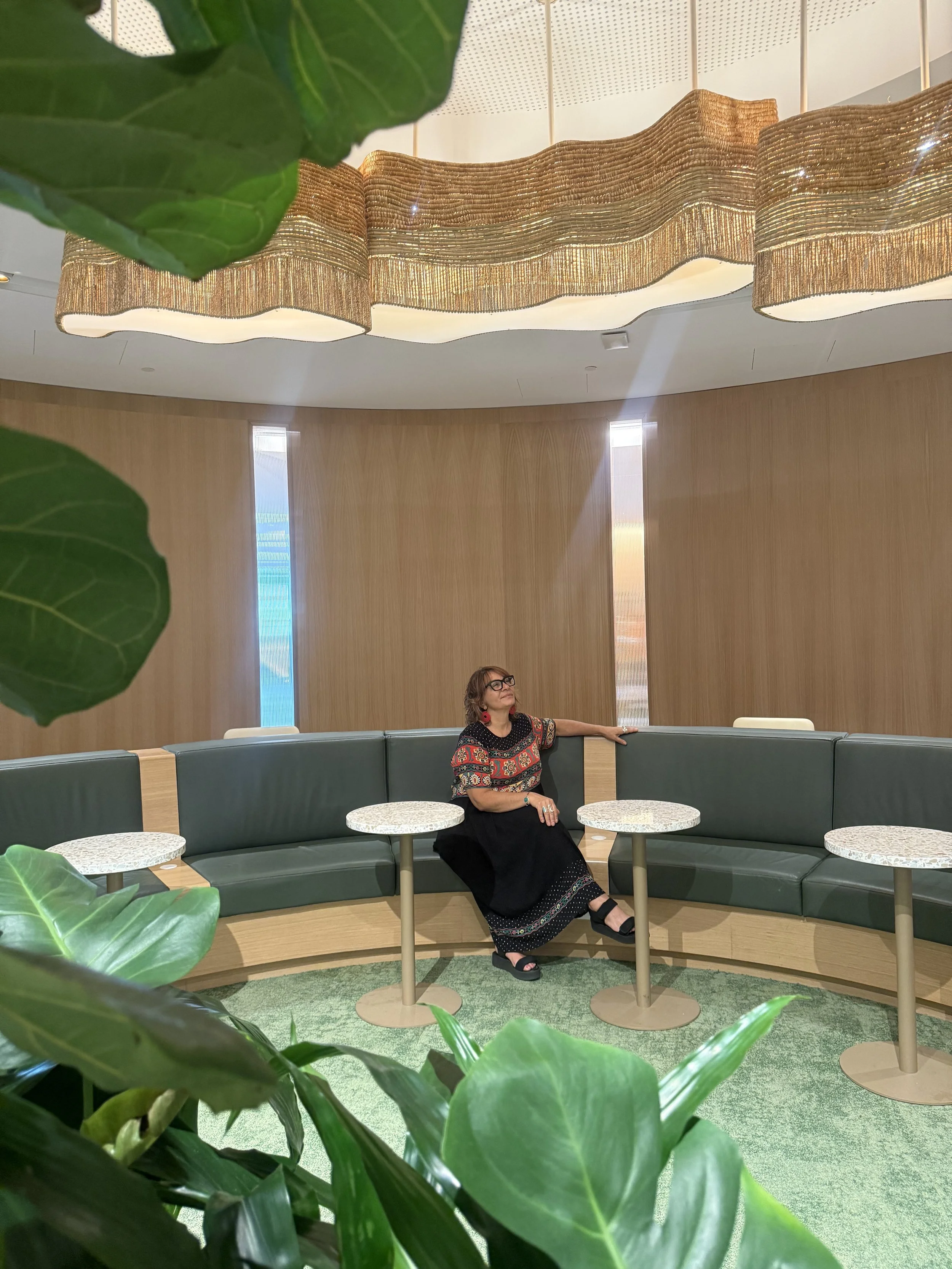
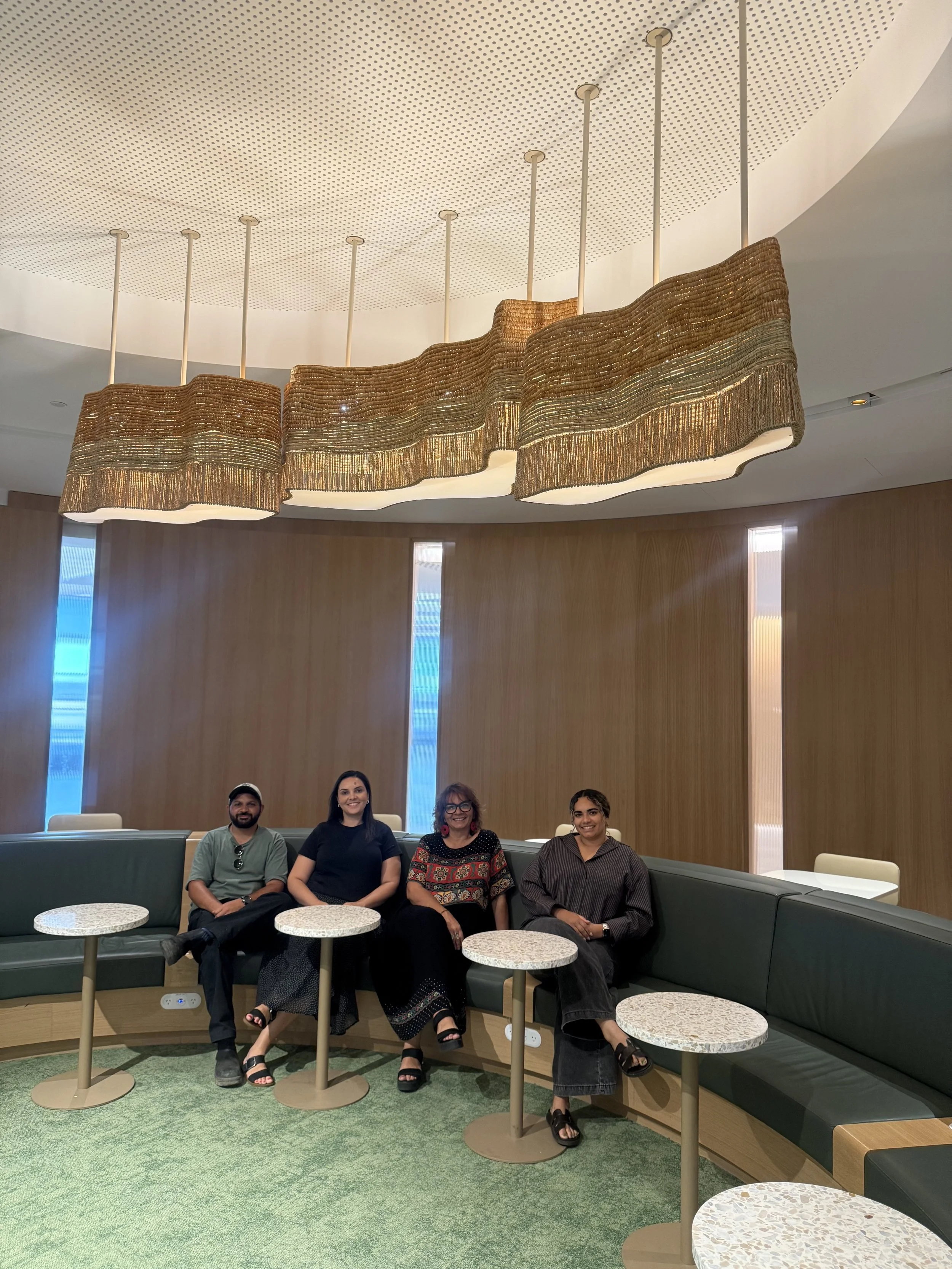
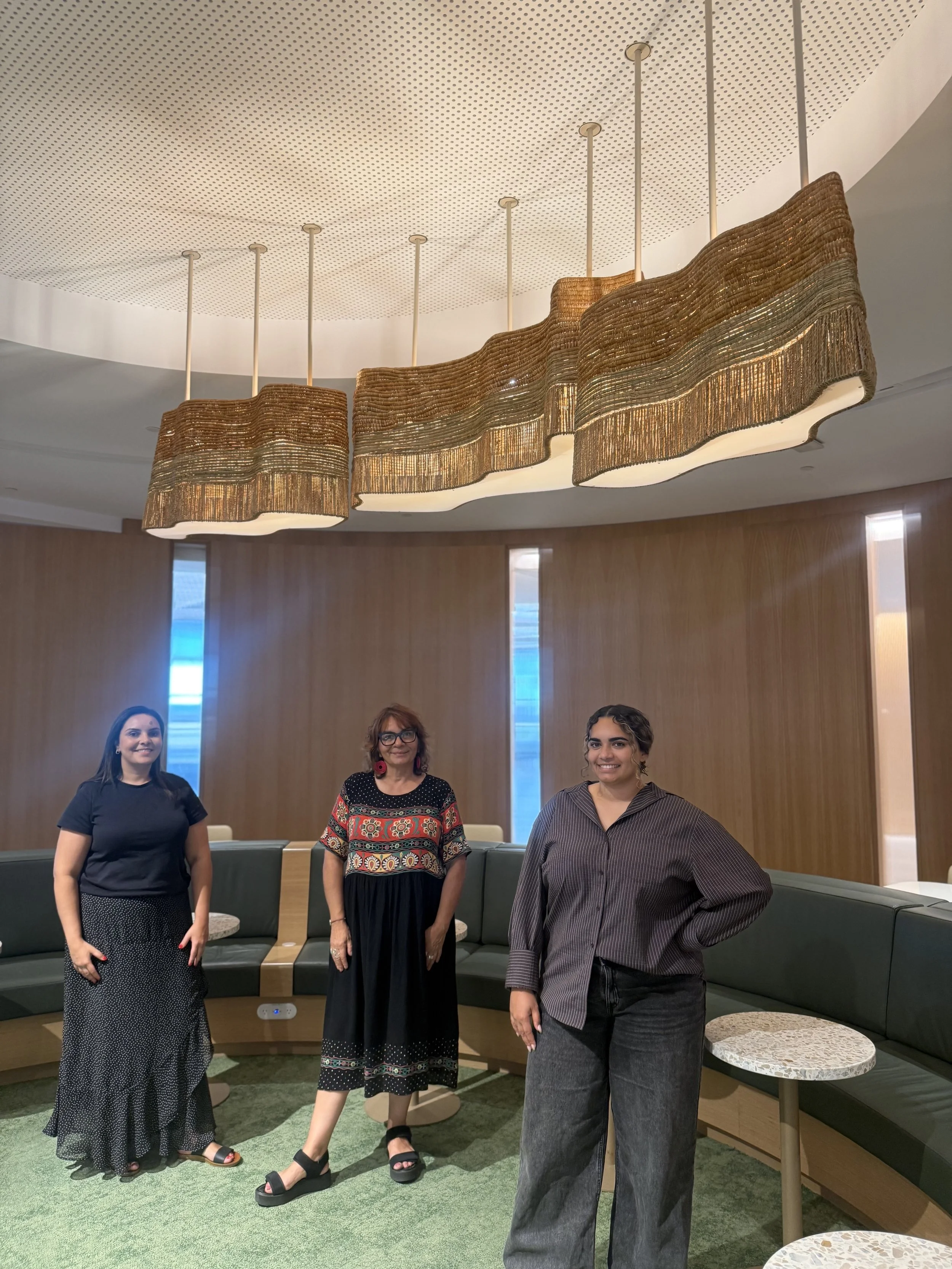
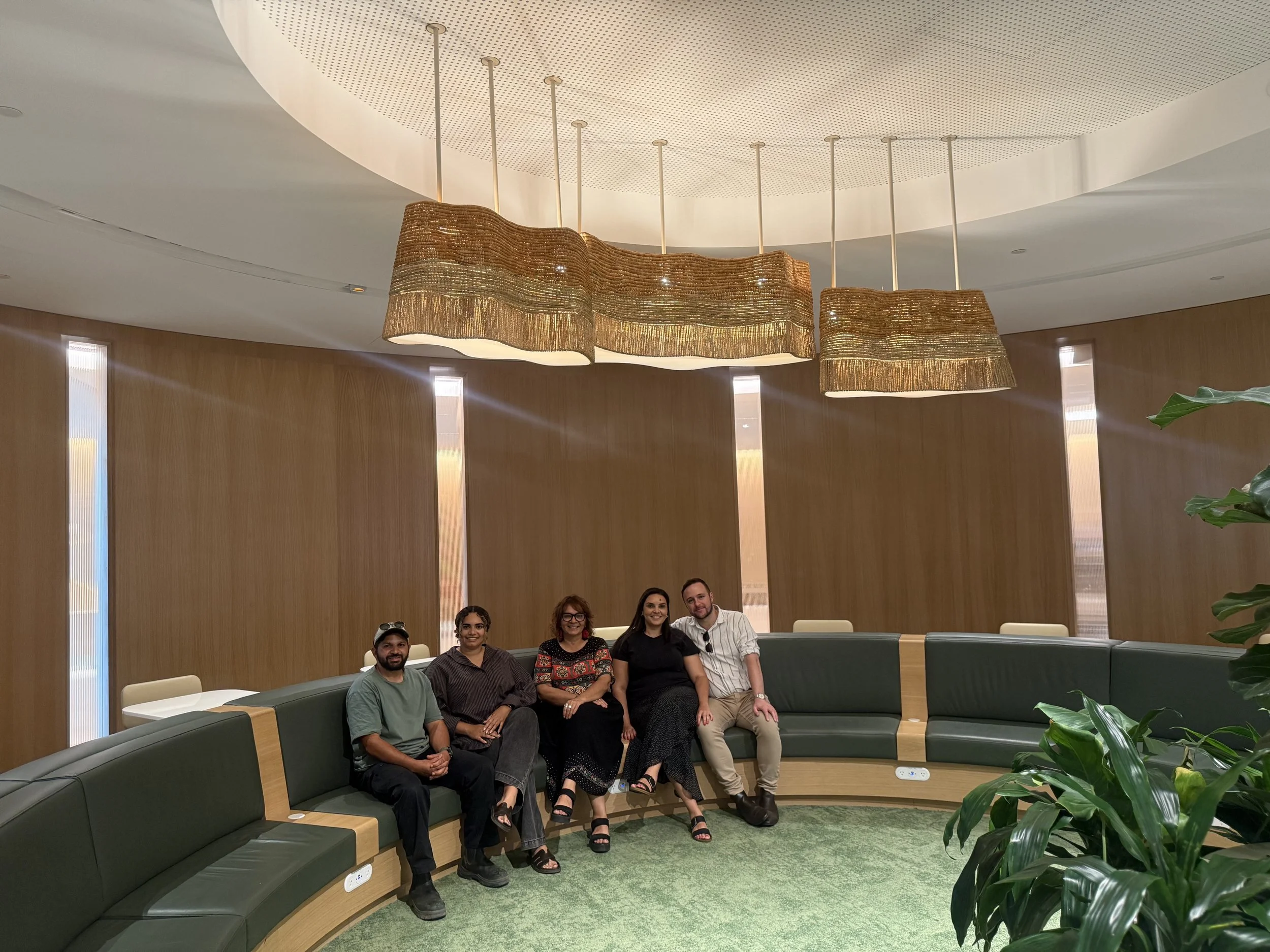
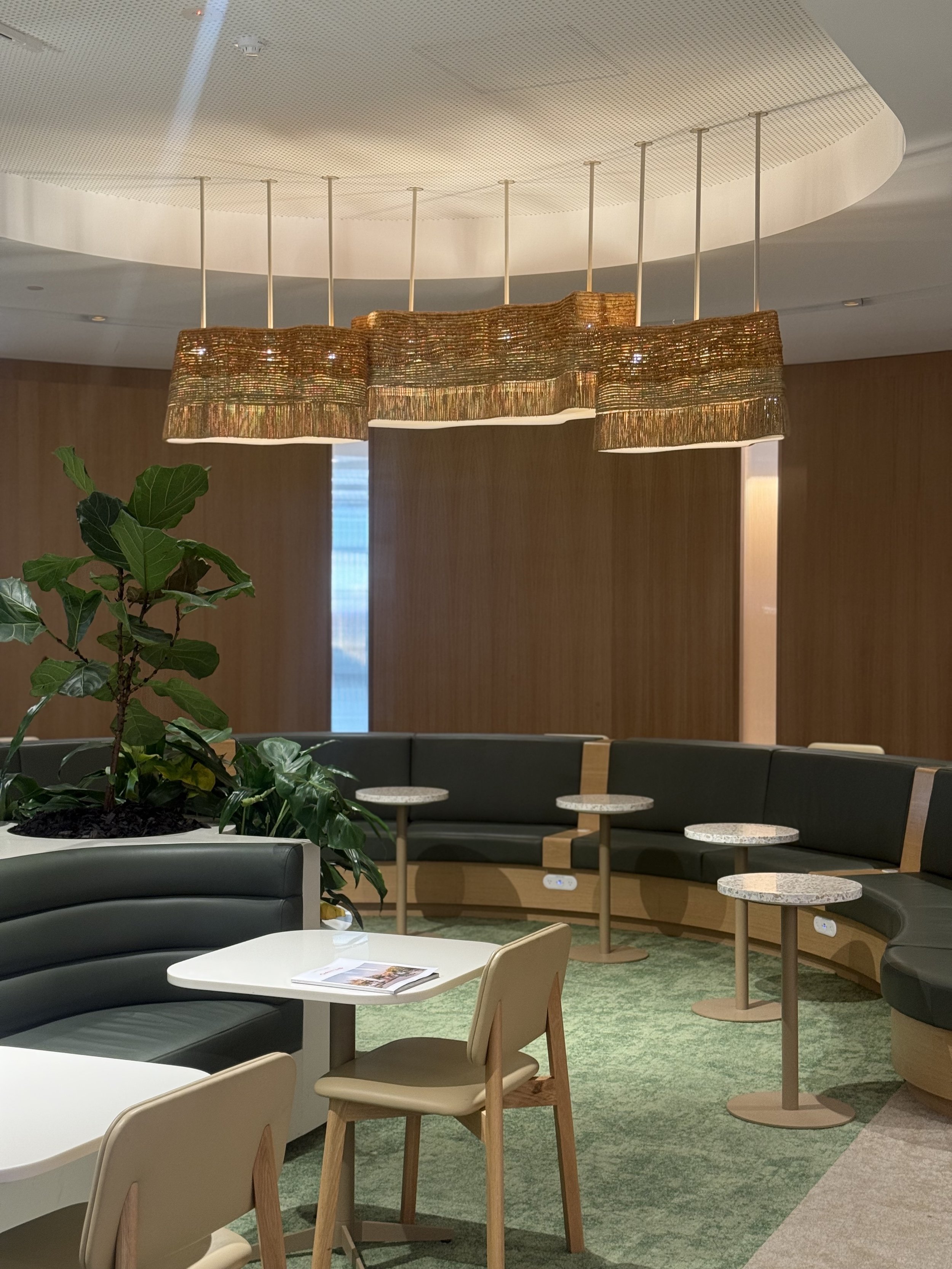
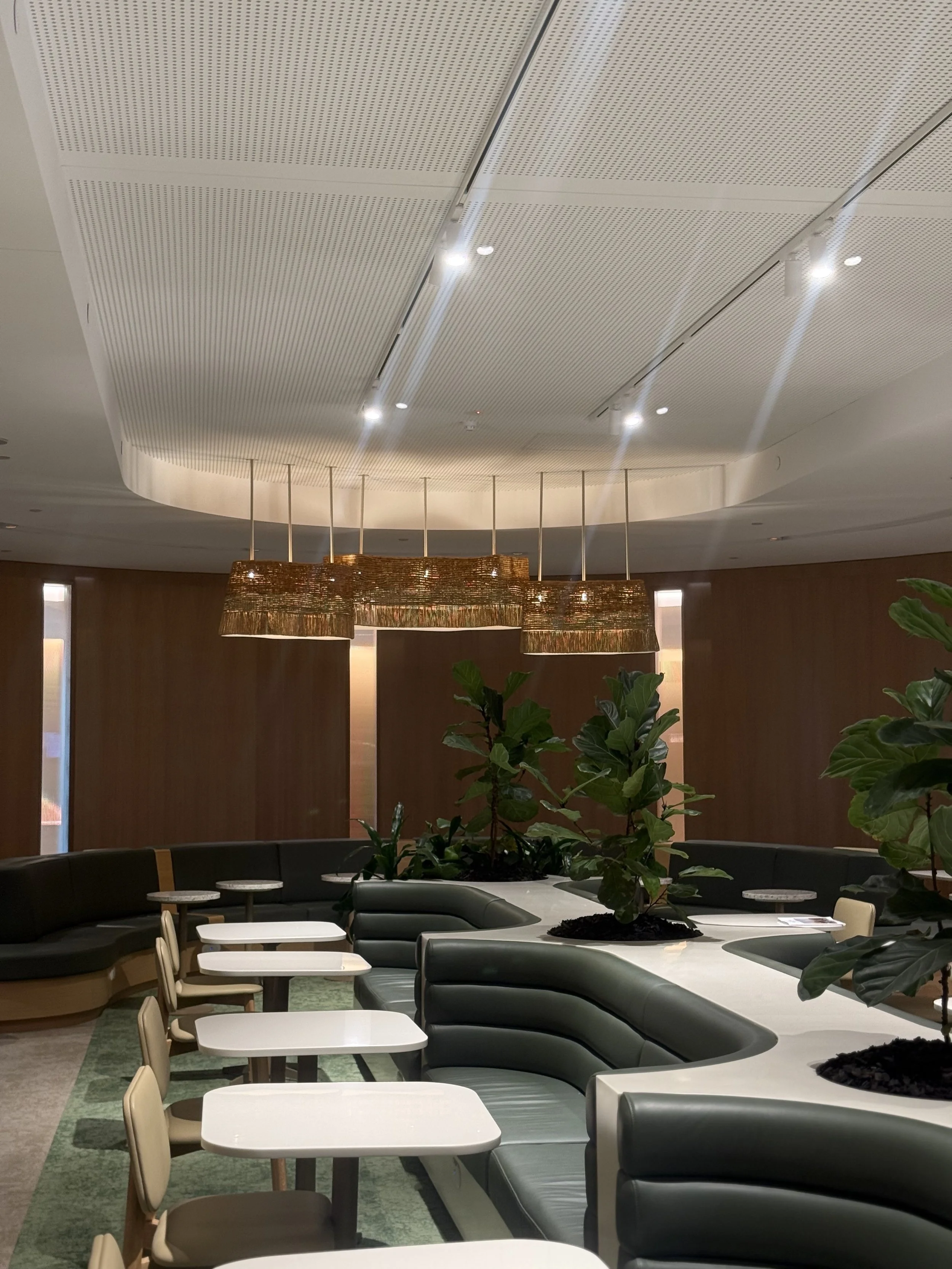
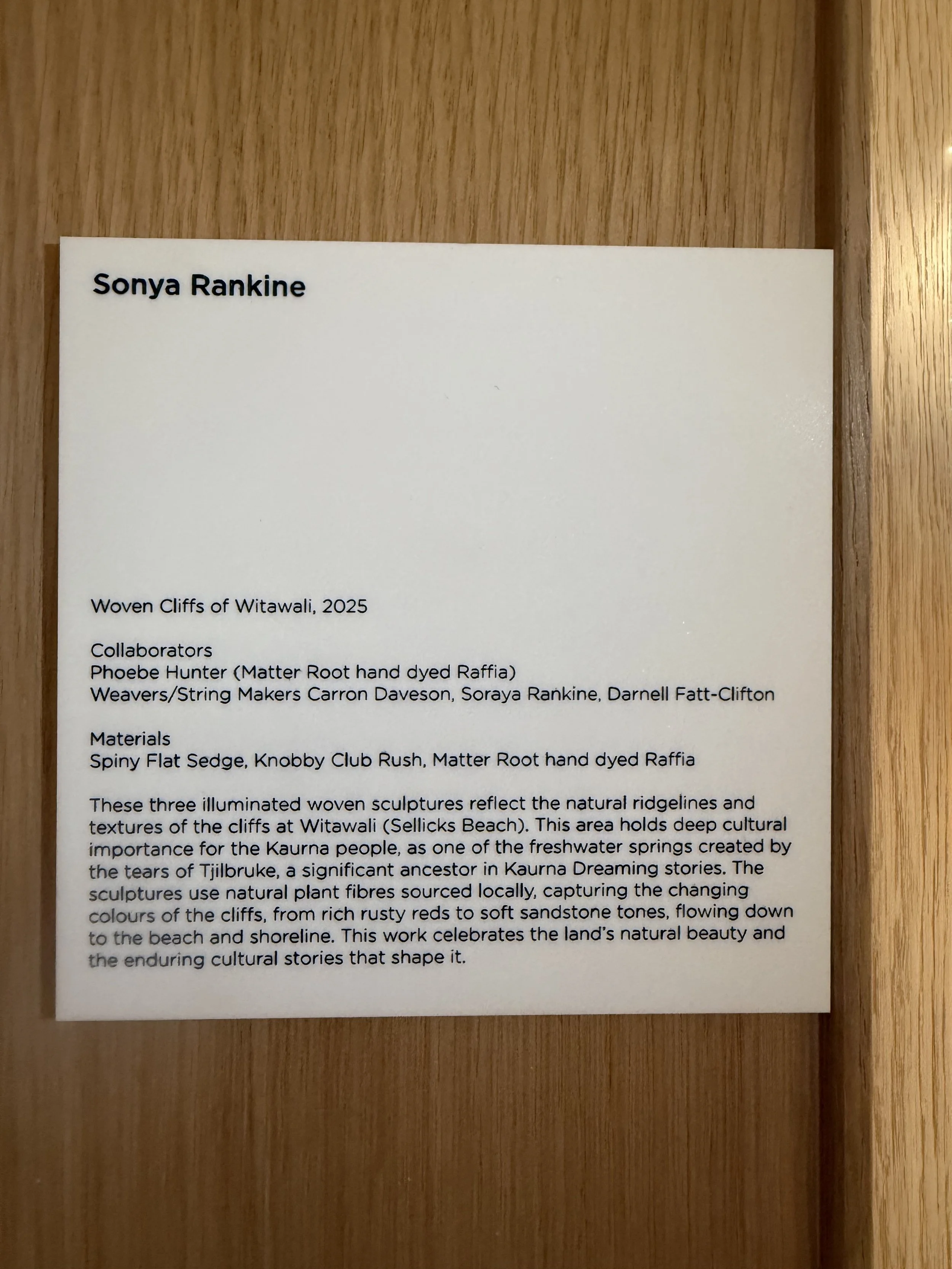
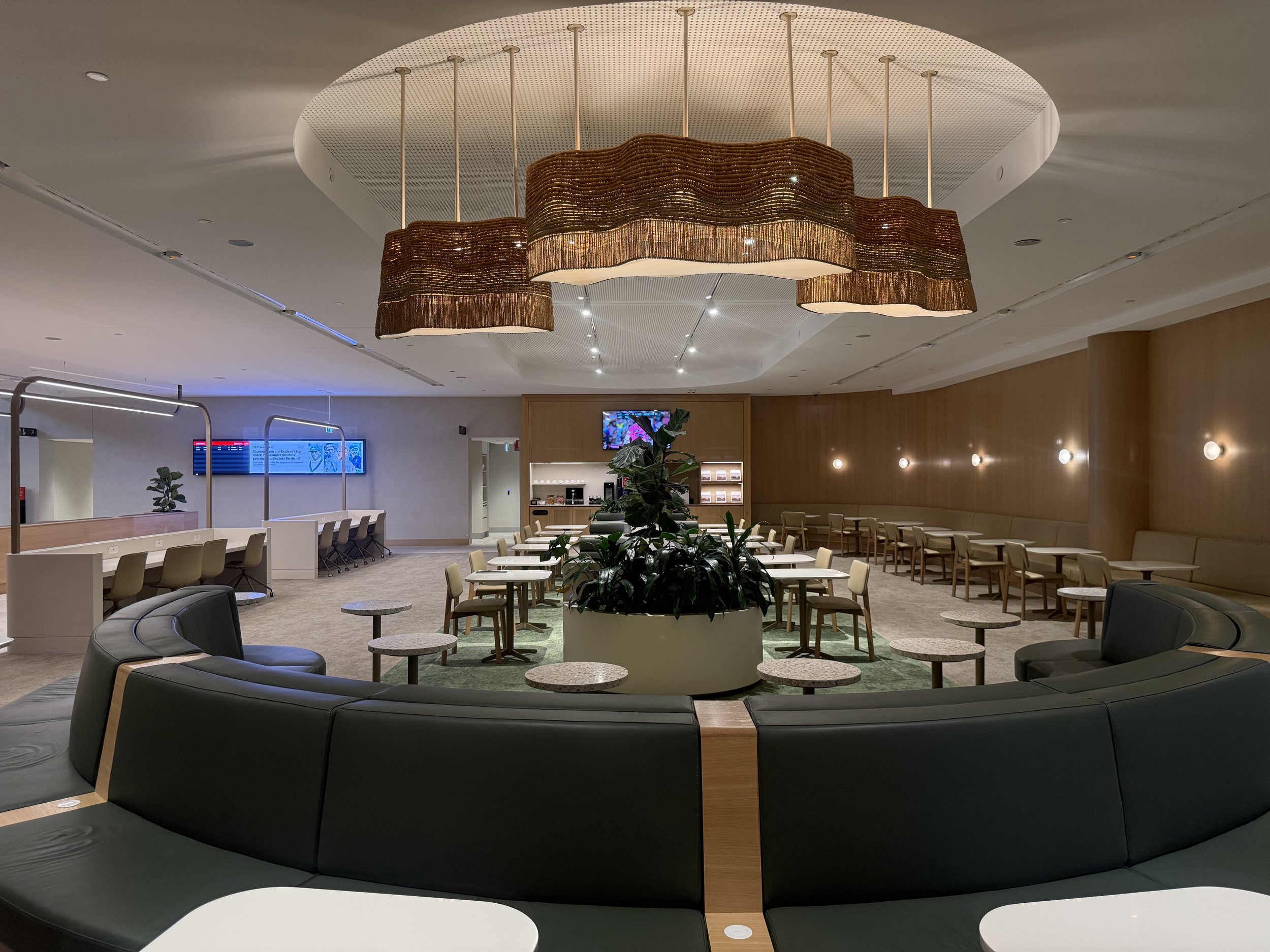
Family visit to see Witawali at it’s final destination at the Qantas Club Lounge at Adelaide Airport.
Commission Piece enquiry.
Please fill the form out below to enquire for a quote for a commission piece.